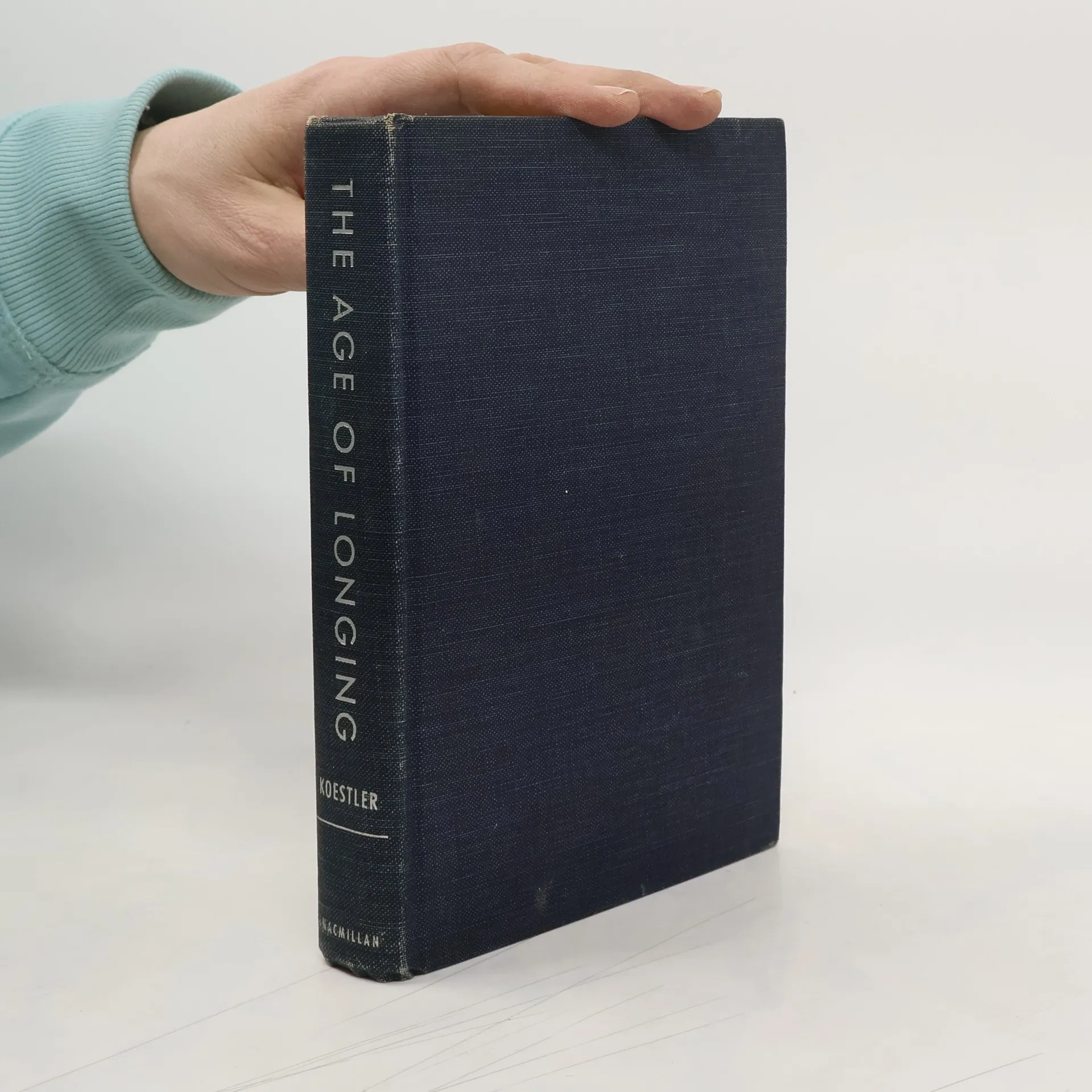
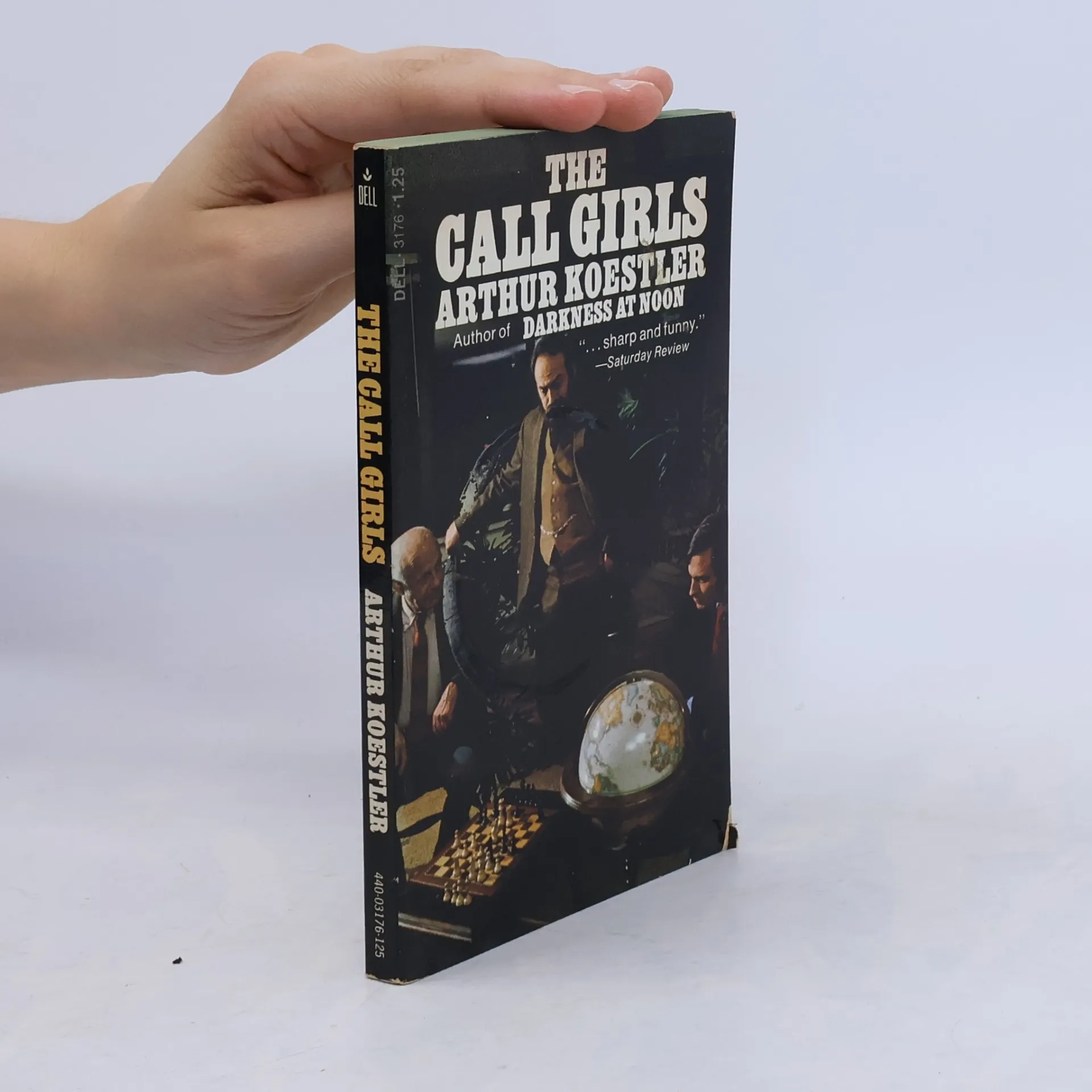
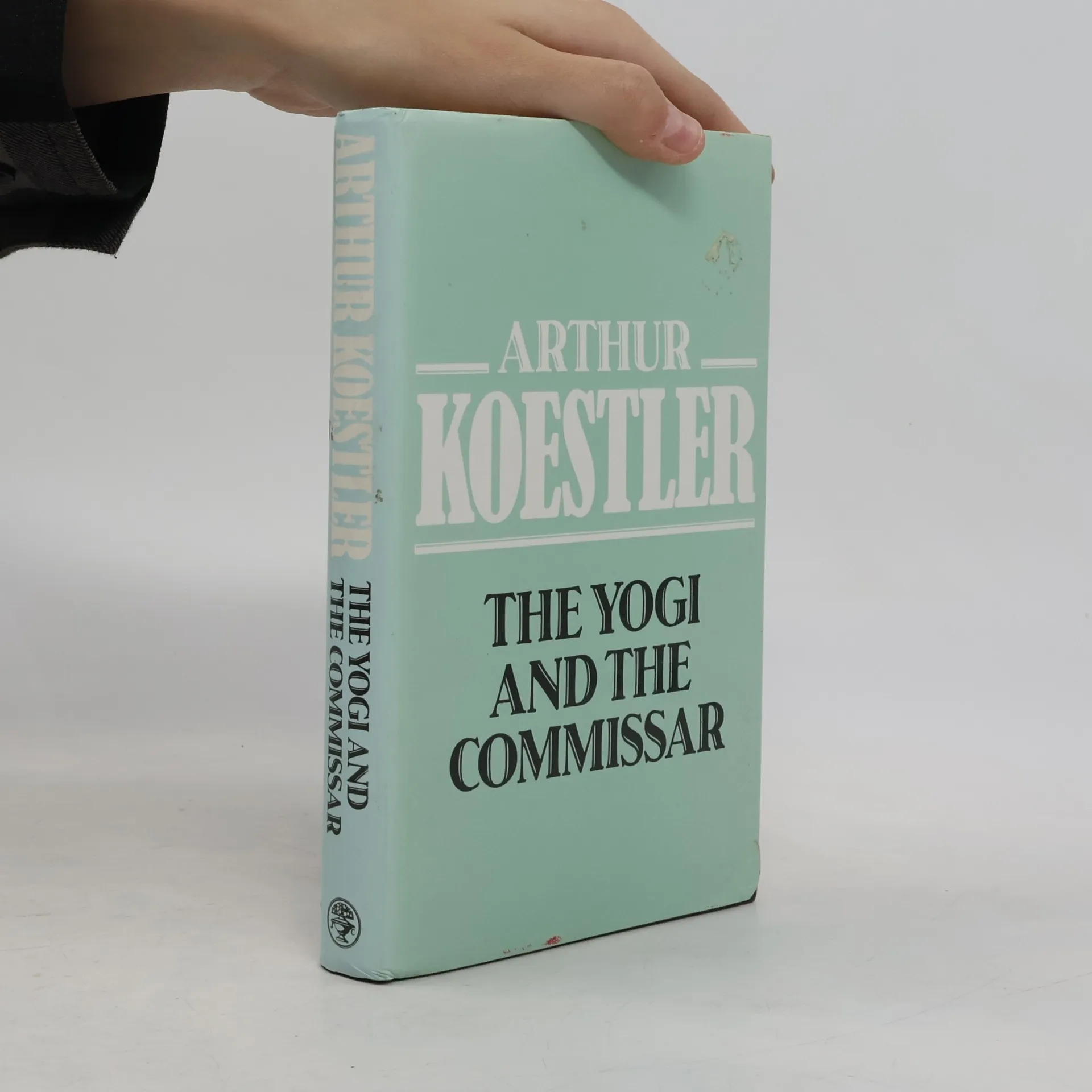
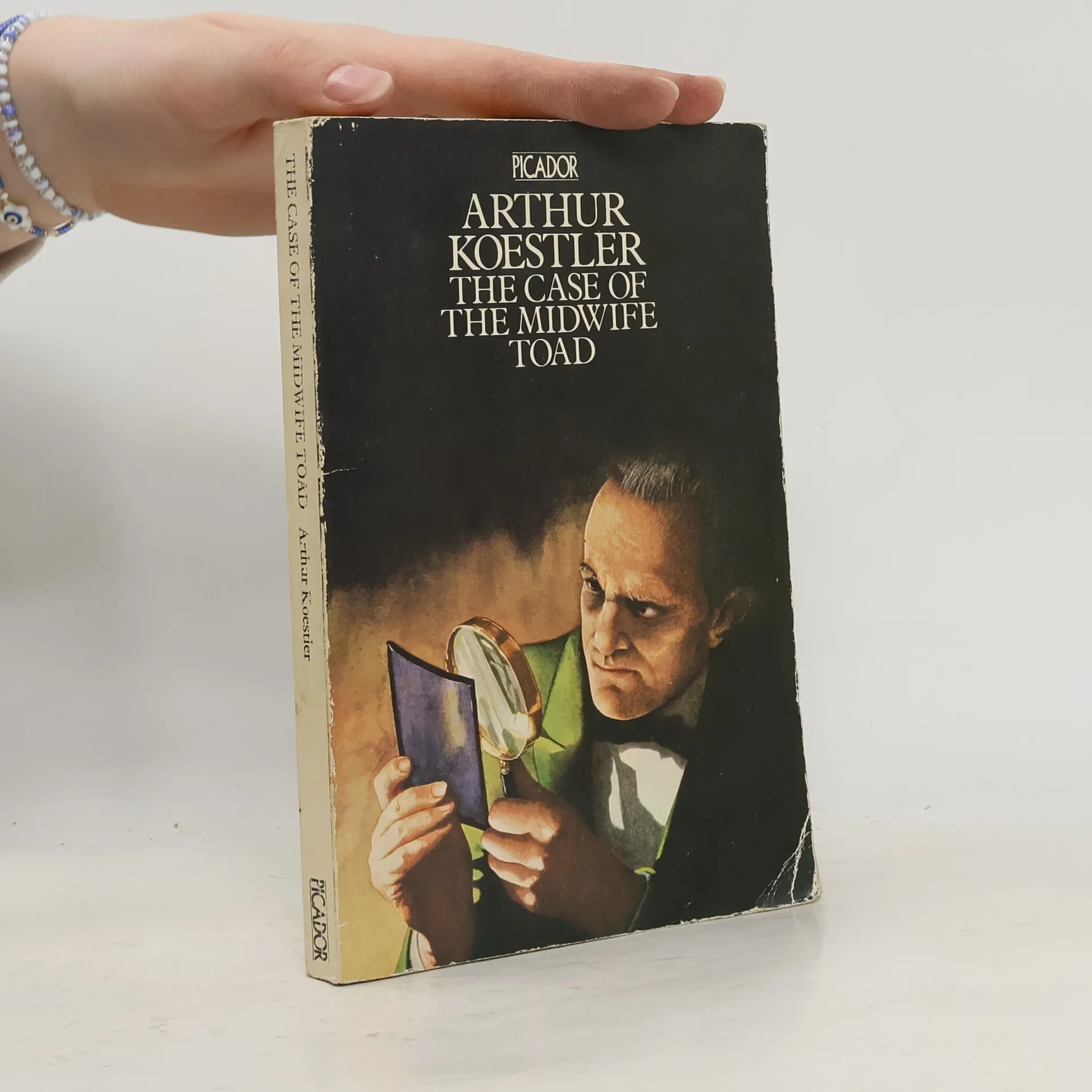
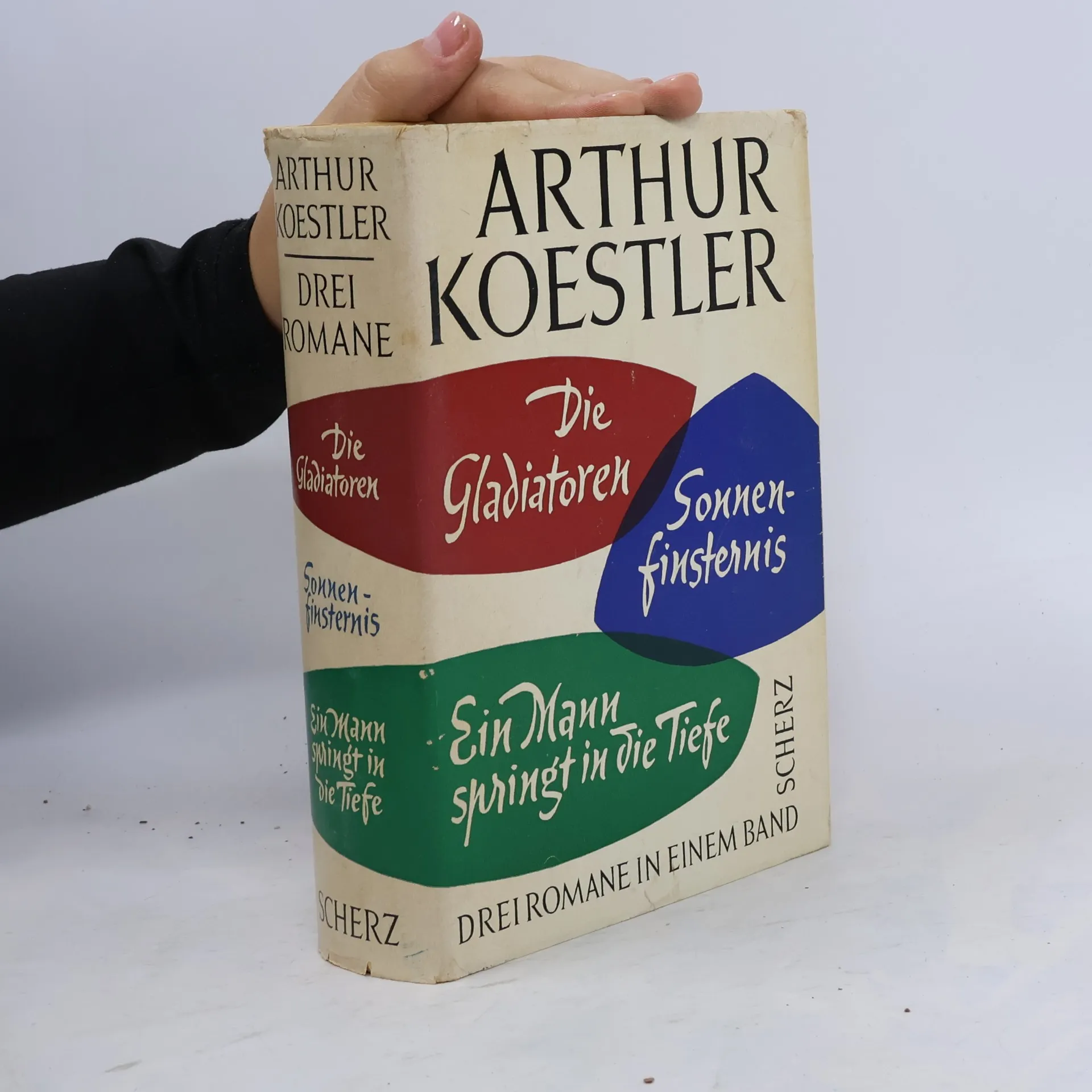
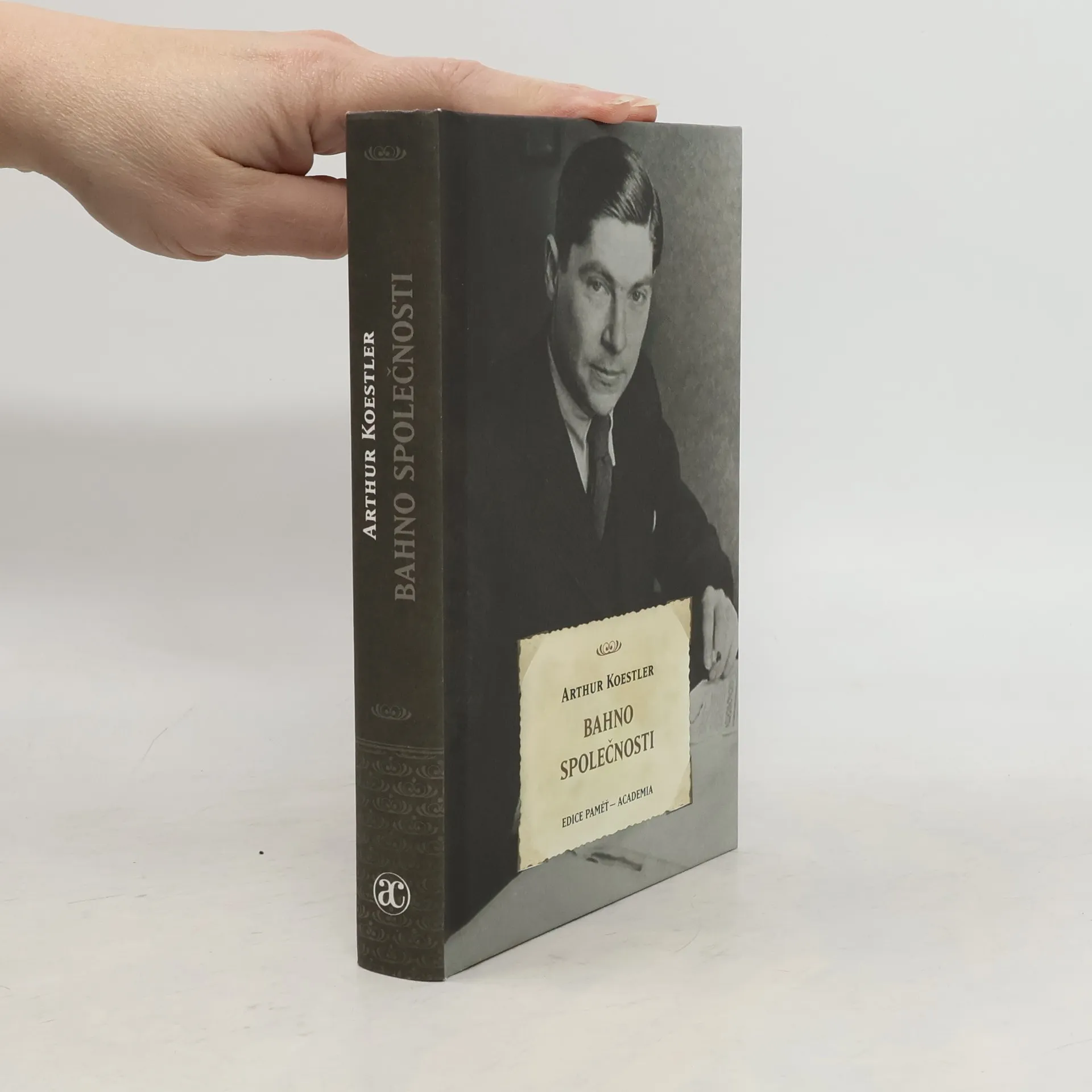
Když vypukla druhá světová válka, pobýval Arthur Koestler na jihu Francie a pracoval na svém velkém románu Tma o polednách. Následující dva měsíce ho psal v Paříži, než byl zatčen a internován spolu s dalšími antinacisty, muži a ženami, kteří bojovali proti gestapu, uprchlíky před pronásledováním. Ti všichni tvořili ono „bahno společnosti“, které Francouzi uvězňovali, pouštěli na svobodu, opět uvězňovali a – až v příliš mnoha tragických případech – nakonec předávali nacistickým katům. Koestler vypráví příběh vlastního uvěznění a konečného útěku bez heroismu, lidsky, občas dokonce s humorem; zasazuje ho však přímo do pochmurného kontextu toho, co se stalo spoluvězňům, kteří neměli takové štěstí jako on. „V té době už evropský světadíl dospěl do stadia,“ napsal tehdy, „kdy bylo možné člověku bez ironie říci, že by měl být vděčný za to, že ho zastřelí, a ne uškrtí, setnou nebo ubijí k smrti.“
Arthur Koestler Knihy
Arthur Koestler byl plodným autorem esejí, románů a autobiografií. Jeho raná kariéra byla v žurnalistice a později se stal známým svými propracovanými eseji a romány, které často zkoumaly složité politické a filozofické myšlenky. Vzhledem ke svému původu a zkušenostem zkoumal témata jako je víra, zrada a hledání smyslu v rozbouřeném světě. Jeho dílo je charakteristické pronikavým intelektem a silným vypravěčským stylem.


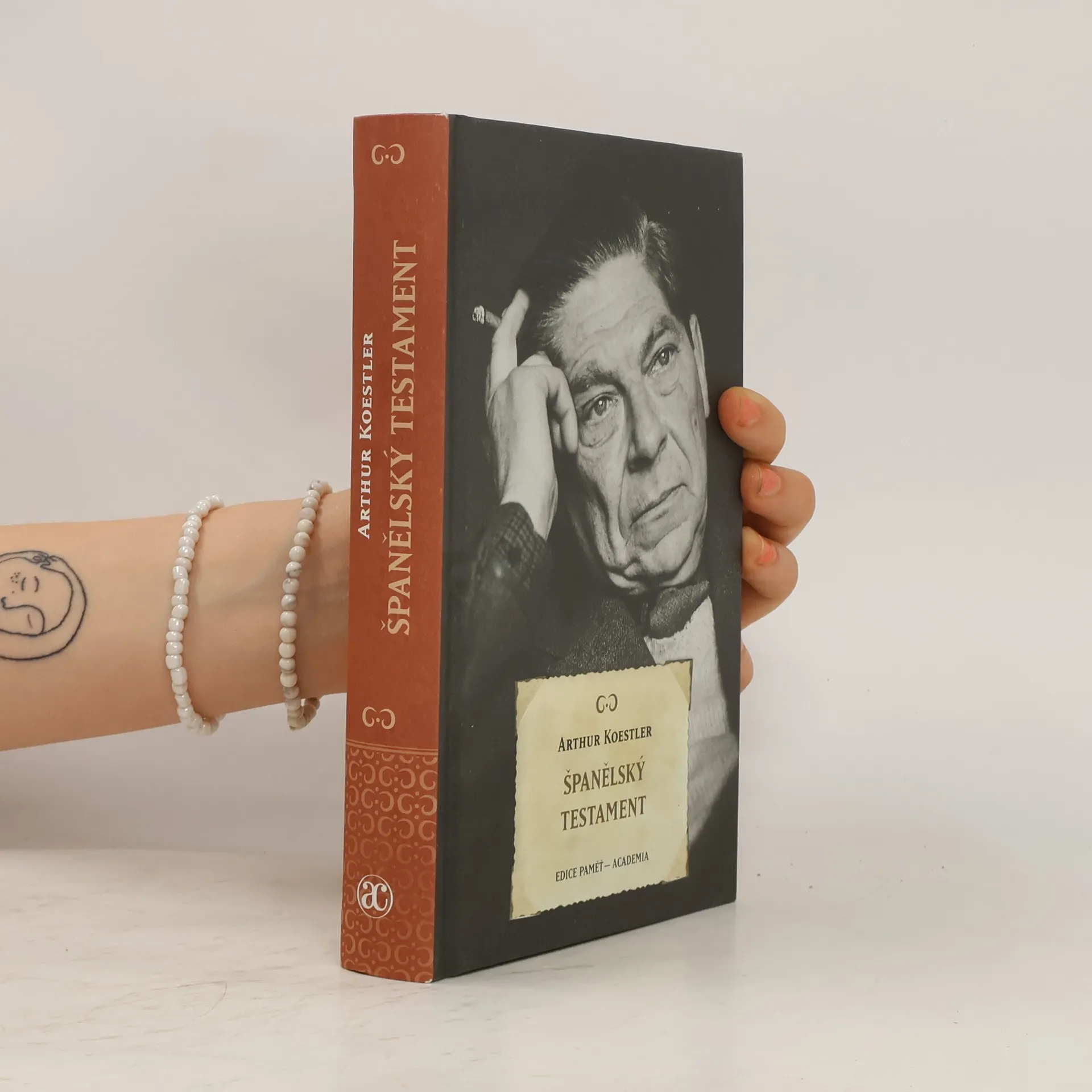
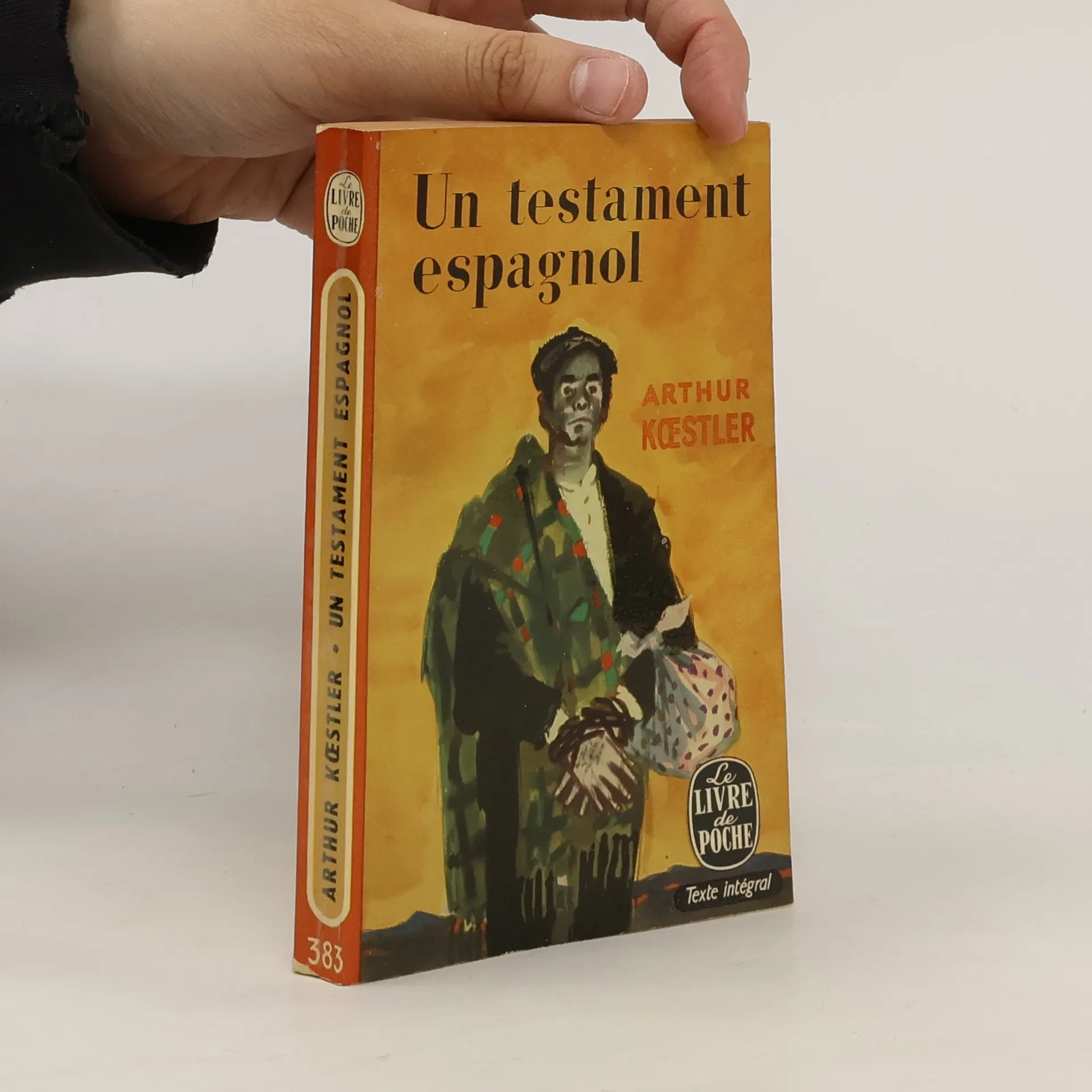
Španělský testament
- 396 stránek
- 14 hodin čtení
Španělský testament popisuje autorovy zážitky z občanské války ve Španělsku a následného pobytu ve vězení. Koestler během občanské války podnikl tři cesty do Španělska, přičemž pracoval ve prospěch Kominterny i jako agent oficiální tiskové agentury loajalistické vlády a ke krytí využíval akreditaci britského deníku News Chronicle. Při svém druhém pobytu na nacionalistickém území jen o vlásek unikl zatčení Frankovou armádou, když ho v nacionalisty ovládané Seville poznal jeho bývalý kolega z berlínského nakladatelství Ullstein. Potřetí učinil neuvážené rozhodnutí zůstat v Málaze na jihu Španělska, poté co se z ní stáhla republikánská vojska. Byl zajat, odsouzen k trestu smrti a uvězněn v Seville. Popis zážitků a psychologických prožitků z vězení tvoří druhou část knihy – Dialog se smrtí.
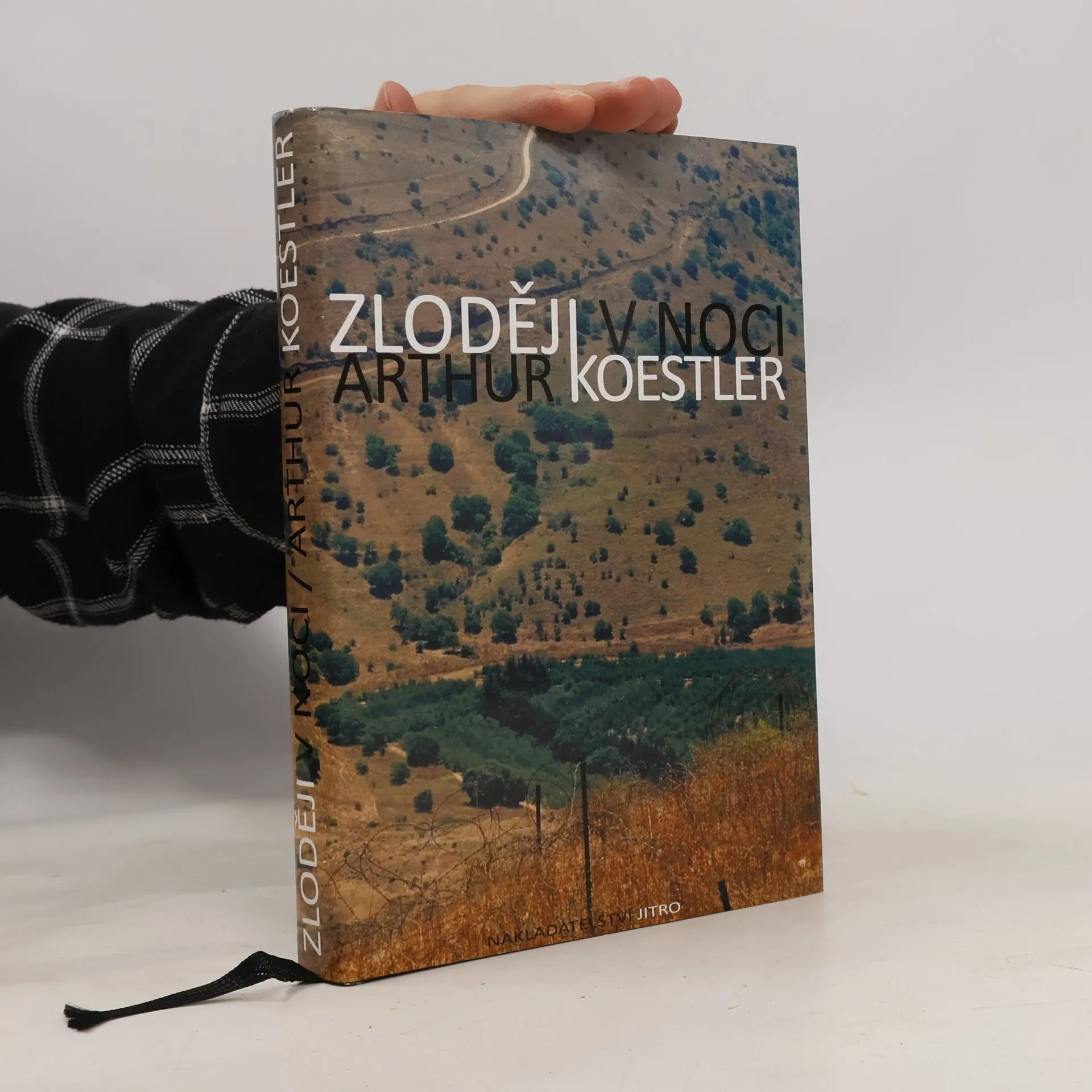
Kniha židovského autora Arthura Koestlera Zloději v noci ( Thieves in the Night , 1946) mapuje románovým jazykem osidlování Palestiny v době před 2. světovou válkou. Na pozadí nadcházejícího válečného konfliktu v Evropě a složité politické situace v samotné Palestině ukazuje zakládání židovského státu. Sledujeme od počátku dramatické založení jedné sionistické židovské obce – kibucu. Čtenář se ocitá uprostřed skupiny přistěhovalců z Evropy, kteří vyhnáni špatnou osobní zkušeností se sílícím antisemitismem přišli do Palestiny a budují ve vyprahlé poušti svůj nový domov. Autor vychází z vlastních zkušeností z Palestiny 30. let, a románový příběh je tak plný poutavých detailů a nadmíru uvěřitelný. Román bez předsudků odhaluje „nový“ život v Palestině nejen jako únik před smrtelným nebezpečím v Evropě, ale zároveň jako únik před realitou. Stejným jazykem líčí válečný konflikt i milostná dobrodružství hlavních hrdinů. Proniká do ideových základů sionistického hnutí a také do lítých diskusí o jeho politickém směřování. Zprostředkován je vhled do vyjednávání mezi britskou správou, arabskými obyvateli, židovskými starousedlíky a sionistickými přistěhovalci. Vývoj jednotlivých postav odráží dynamiku sionistického hnutí včetně radikalizace některých jeho částí. Kniha může být užitečným pramenem pro pochopení některých kořenů arabsko-izraelského konfliktu i silných emocí při nedávném opouštění osad.
První svazek autobiografie: 1905-1931. První díl autobiografie Arthura Koestlera zachycuje dětství, dospívání a mládí pozdějšího slavného autora. Koestler čtenáře provádí pozoruhodnými prostředím Budapešti v době Komuny v roce 1919, Vídně po první světové válce, kde kralují buršácké spolky a Sigmund Freud, a poté čerstvě osídlované Palestiny. Ukáže mu poválečnou Paříž a Berlín za Výmarské republiky, načež se s ním vydá k severnímu pólu. Koestler vše provází pozoruhodnými reflexemi, nejistotami svého dětství a úvahami zralé dospělosti. Líčí v knize svůj intelektuální a ideový vývoj - první díl pamětí končí jeho vstupem do komunistické strany na konci roku 1931.
Příslib a naplnění
- 400 stránek
- 14 hodin čtení
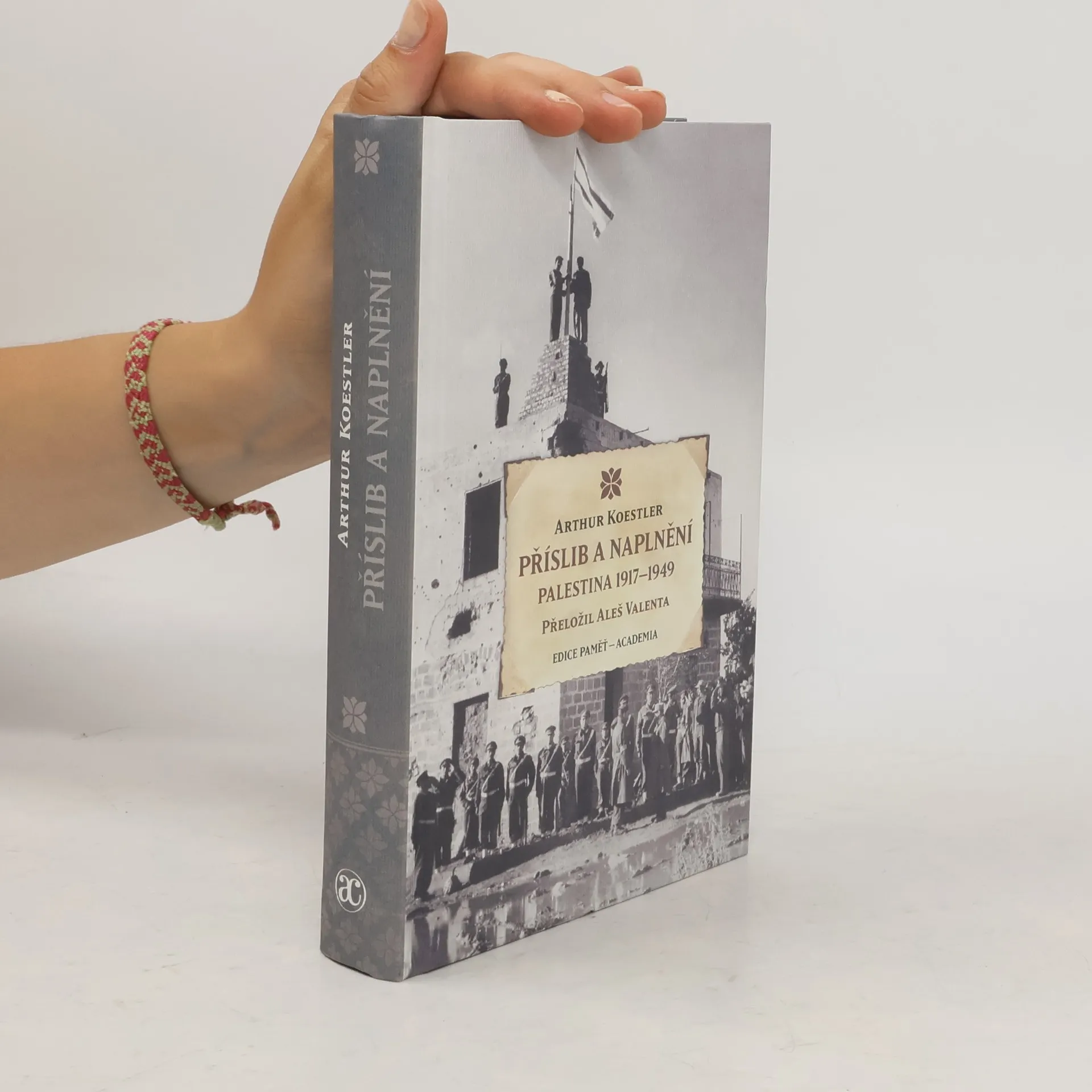
Kniha Arthura Koestlera „Příslib a naplnění“ se zaměřuje na historii Palestiny od Balfourovy deklarace v roce 1917, která slibovala Židům národní domovinu, až po období 1948–1949, kdy Izrael obhájil svou existenci ve válce proti Arabům. V první části autor analyzuje složité vztahy mezi britskou mandátní správou, Židy a Araby, přičemž čerpá ze svých letitých zkušeností v Palestině jako levicově orientovaný sionista a novinář. Tato znalost mu umožňuje podrobně zkoumat mentalitu všech tří stran konfliktu. Klíčové je pochopení rozdílu mezi vysoce vzdělanými, levicovými sionisty a tradičními, konzervativními palestinskými Araby, což je zásadní pro analýzu jejich konfliktu. Koestler také rozebírá odlišnosti mezi židovskými starousedlíky a novými imigranty po roce 1918, stejně jako proarabské postoje britských politiků. Ve druhé části autor sdílí své zážitky z Izraele během židovsko-arabské války v červnu 1948, včetně deníkových zápisků. Čtenáři přiblíží, jak se židovské osady bránily arabské přesile a jak Židé museli prokázat odvahu při obraně Jeruzaléma, který byl obležen Arabskou legií.
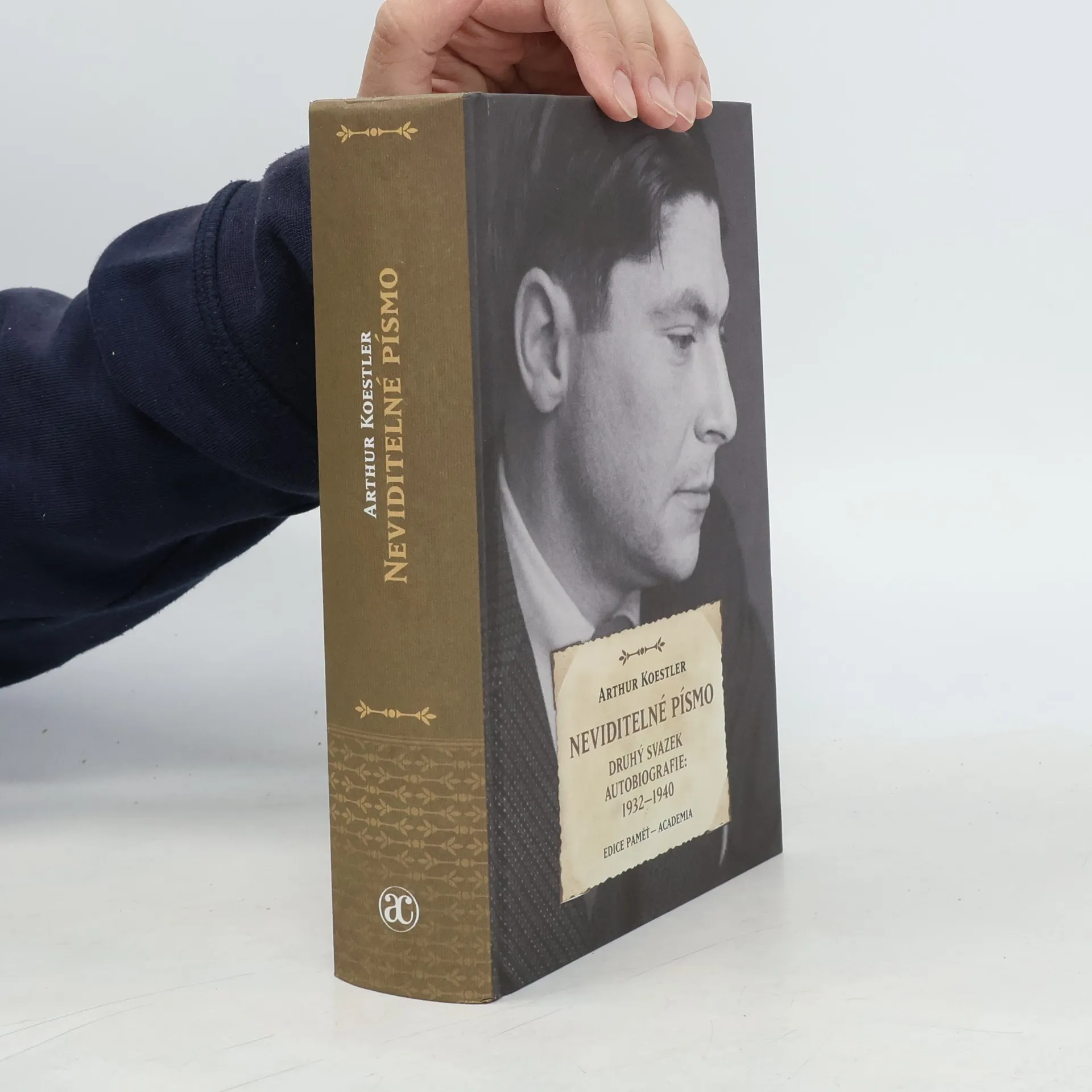
Druhý díl pamětí Arthura Koestlera navazuje na díl první, nazvaný Šíp do nebe, a zobrazuje především proces, v němž se autor odvrátil od komunismu. Jeho hledání, tápání a pochyby jsou pozoruhodné. Neméně důležité jsou ovšem dějiny, které se před očima tohoto bystrého pozorovatele odehrávaly – a jichž se autor snažil účastnit. Sledoval je v Sovětském svazu začátkem třicátých let pohledem komunisty, pak v západní Evropě pohledem hodně zviklaného komunisty, odsouzence k smrti ve Frankově vězení za španělské občanské války, poté v internaci v okupované Francii a konečně v Anglii, kam se mu nakonec podařilo šťastně uprchnout.
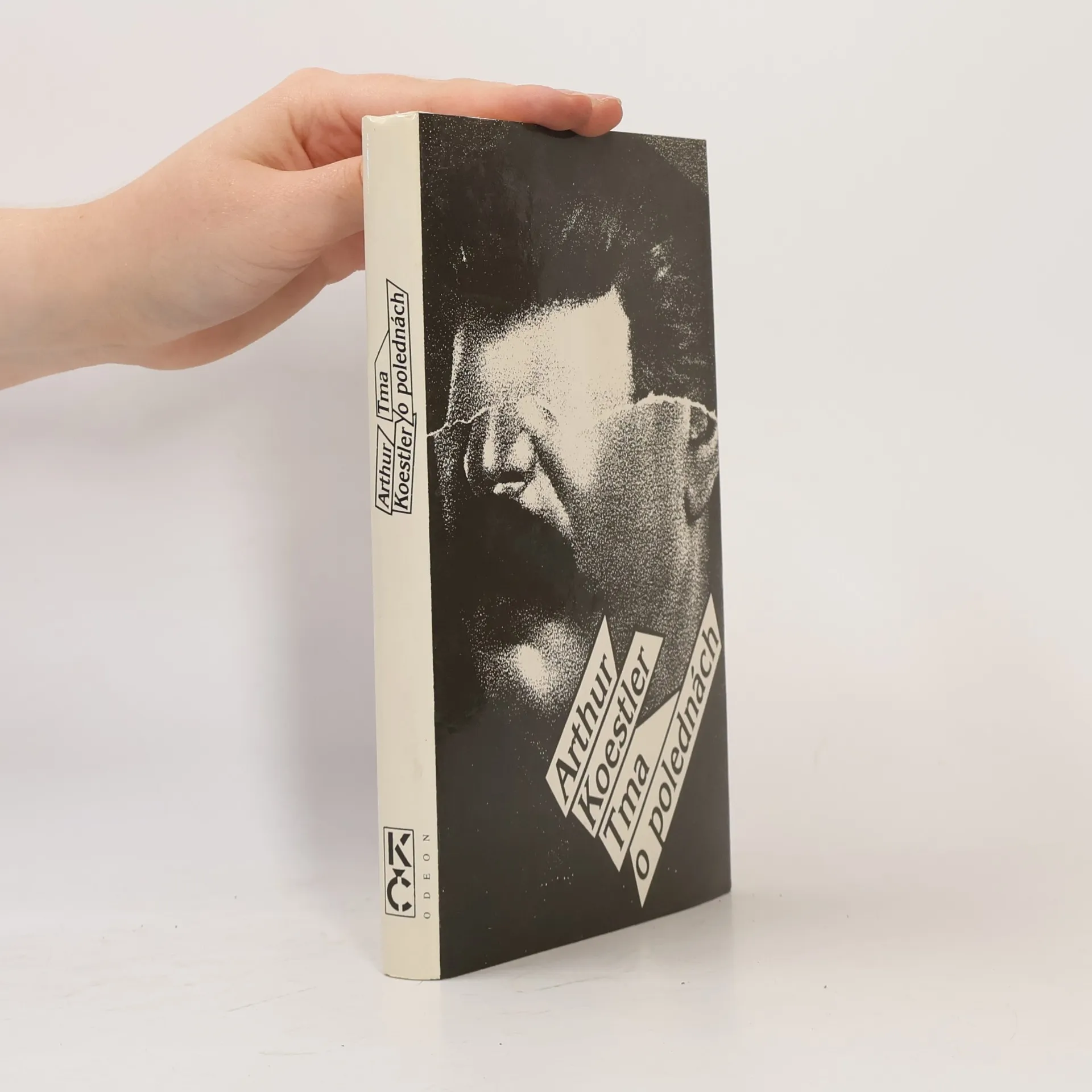
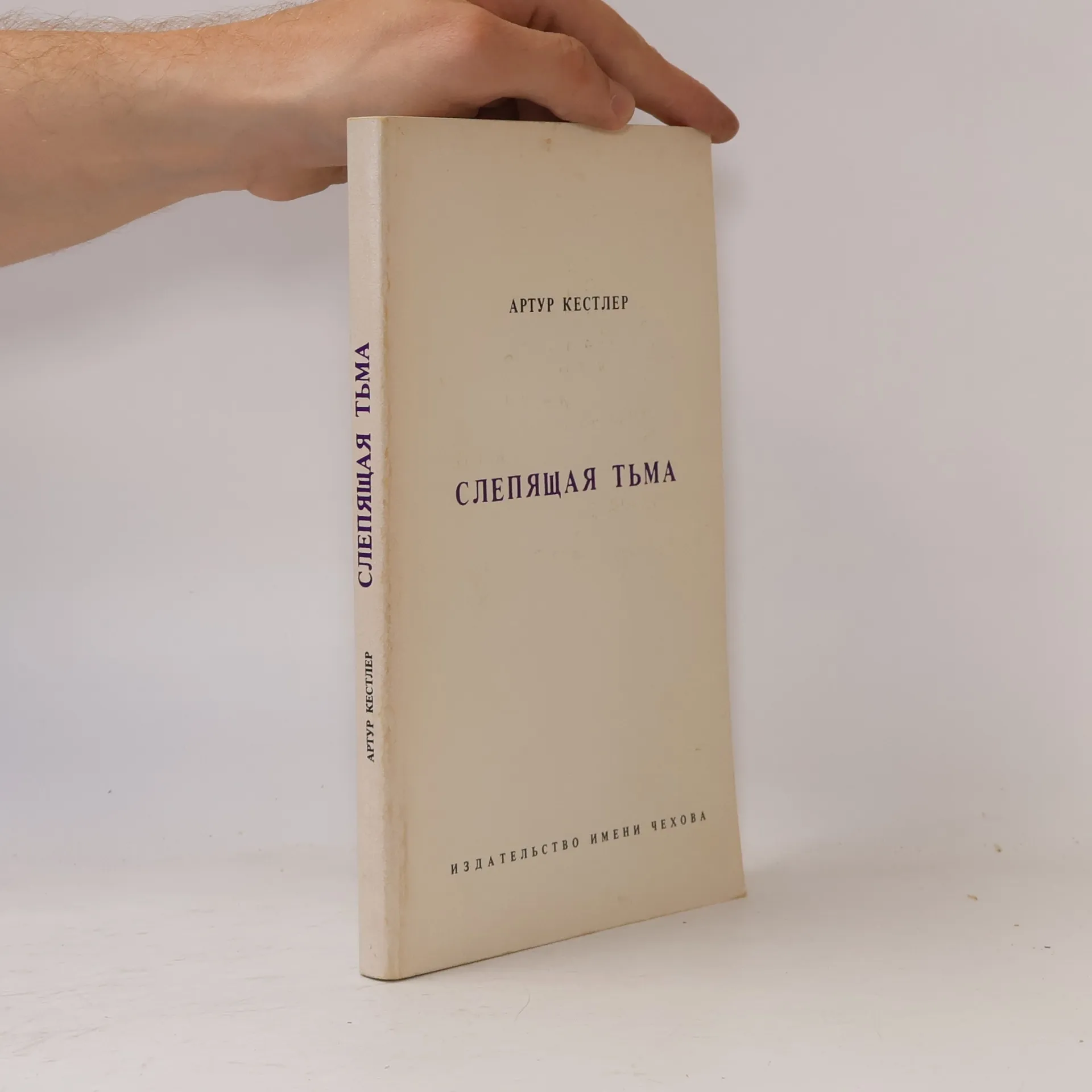
Tma o polednách
- 204 stránek
- 8 hodin čtení
Politicko-filozofický román, jehož děj se rozvíjí na pozadí velkých moskevských procesů z let 1936–1938 s bývalými čelnými představiteli levé i pravé opozice, je knihou o jednom osudu, který syntetizuje životy mnoha lidí. Hlavní postava románu, bývalý lidový komisař N. S. Rubašov, je fiktivní. Není však tězké zjistit v její psychologii, charakterových rysech, politickém smýšlení a teoretickém uvažování reálné rysy některých tragických osobností: N. S. Rubašov má vnější podobu a způsoby Zinověva, kdežto svou mechanistickou filozofií a politickou koncepcí připomíná Bucharina... I v jiných ohledech Tma o polednách překvapivě koresponduje se skutečností. Týká se to kapitulace a dobrovolných přiznání obžalovaných jak při vyšetřování, tak i v soudní síni, jejich spolupráce s vyšetřovateli, prokurátory a soudci. Obžaloba i rozsudek se nakonec stávají společným dílem představitelů moci a jejich obětí, protože jedni i druzí se řídí stejnou logikou a spojuje je společné přesvědčení o politické a dějinné nutnosti role, kterou hrají. Jsou si vědomi, že dějinná pravda je jiná, sami se však řídí něčím odlišným: představou o politické účelnosti, o oprávněnosti všech prostředků, o nichž se domnívají, že vedou k cíli....
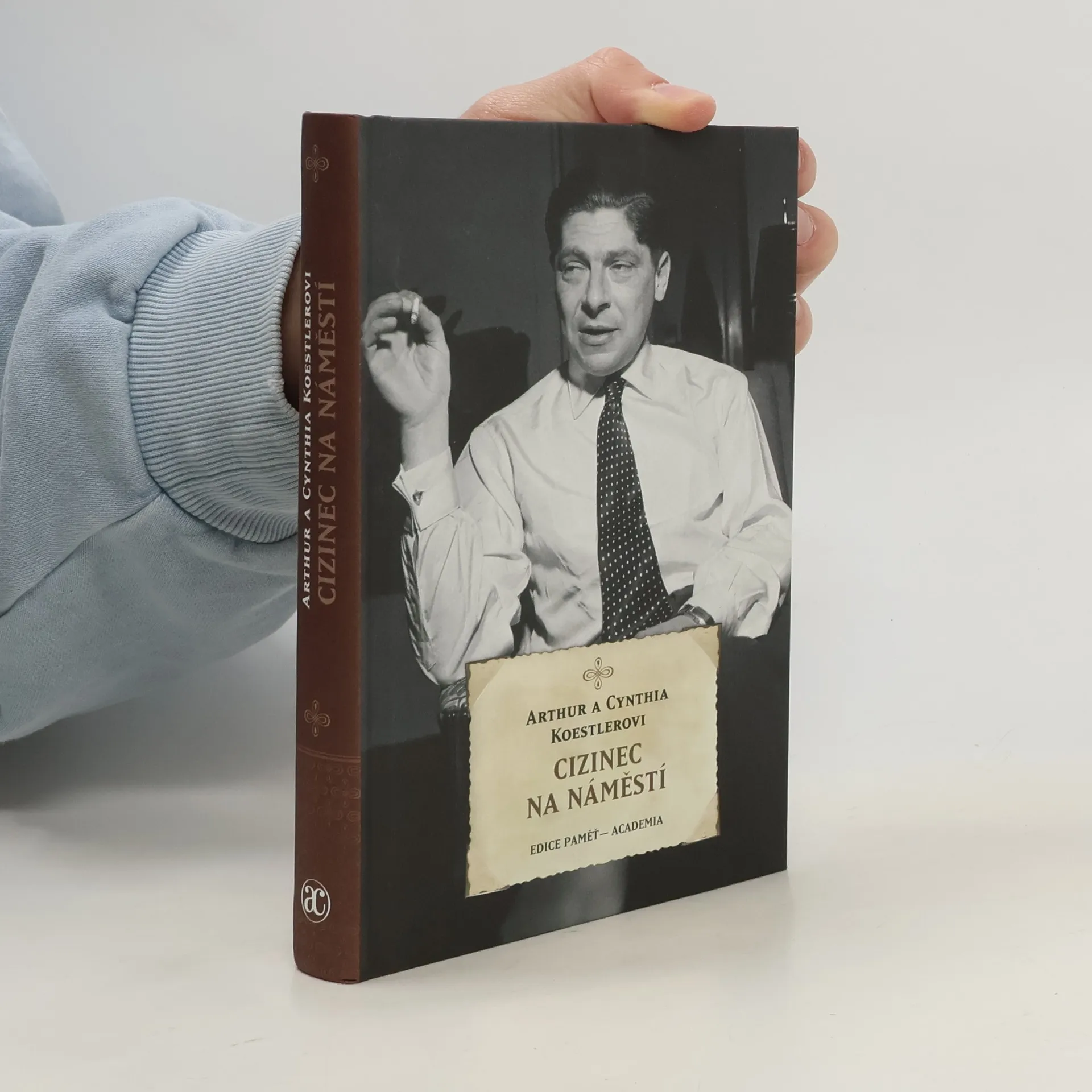
Cizinec na náměstí
- 308 stránek
- 11 hodin čtení
Dne 1. března 1983 byla v domě na Montpelier Square v Londýně nalezena těla Arthura Koestlera a jeho manželky Cynthie. Jemu bylo 77, jí 55 let. Byla to sebevražda. Arthur Koestler trpěl Parkinsonovou nemocí a leukémií. Cynthia, jeho třetí žena, bývalá sekretářka, se těšila naprostému zdraví, a poté co svému muži věnovala celý svůj aktivní život, obětovala se mu i ve smrti. Jejich rodinný přítel Harold Harris našel mezi písemnostmi na Koestlerově pracovním stole rukopis třetího svazku Arthurovy autobiografie. Harris byl vykonavatelem poslední vůle a rozhodl se toto dílo, které vytvořili střídavě oba manželé, připravit k vydání. Svazek pokrývá velkou část jejich společného života a odhaluje jejich výjimečný vzájemný vztah a také jejich společnou smrt.
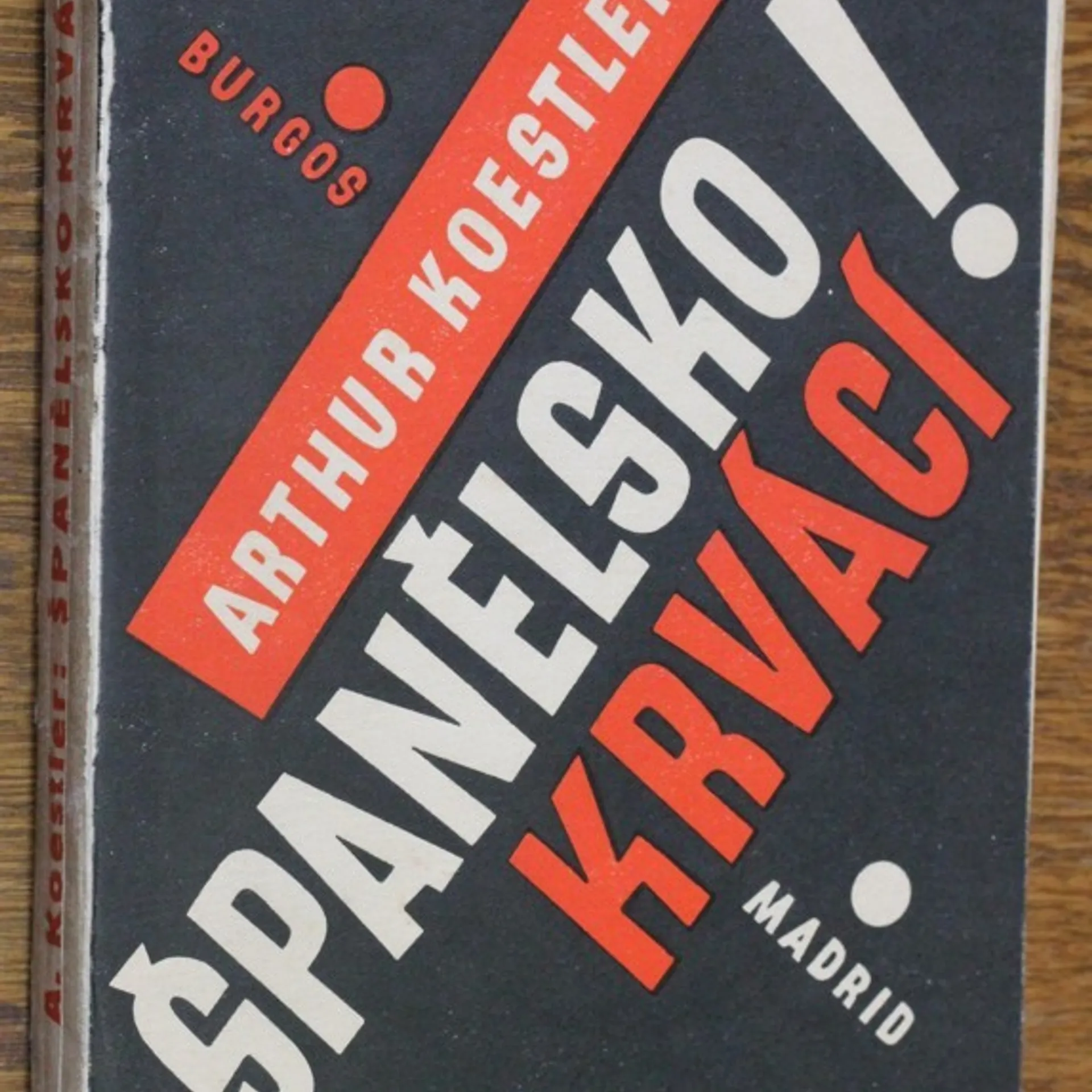
Popis zážitků z návštěvy vojenského velení v Seville, kde působil Francisco Franco. Koestler tam pronikl v roce 1936 během občanské války, předstírajíc podporu Frankovi a s falešným doporučením z deníku News Chronicle. Dílo bylo napsáno ve Francii a později se stalo součástí knihy Spanish Testament.
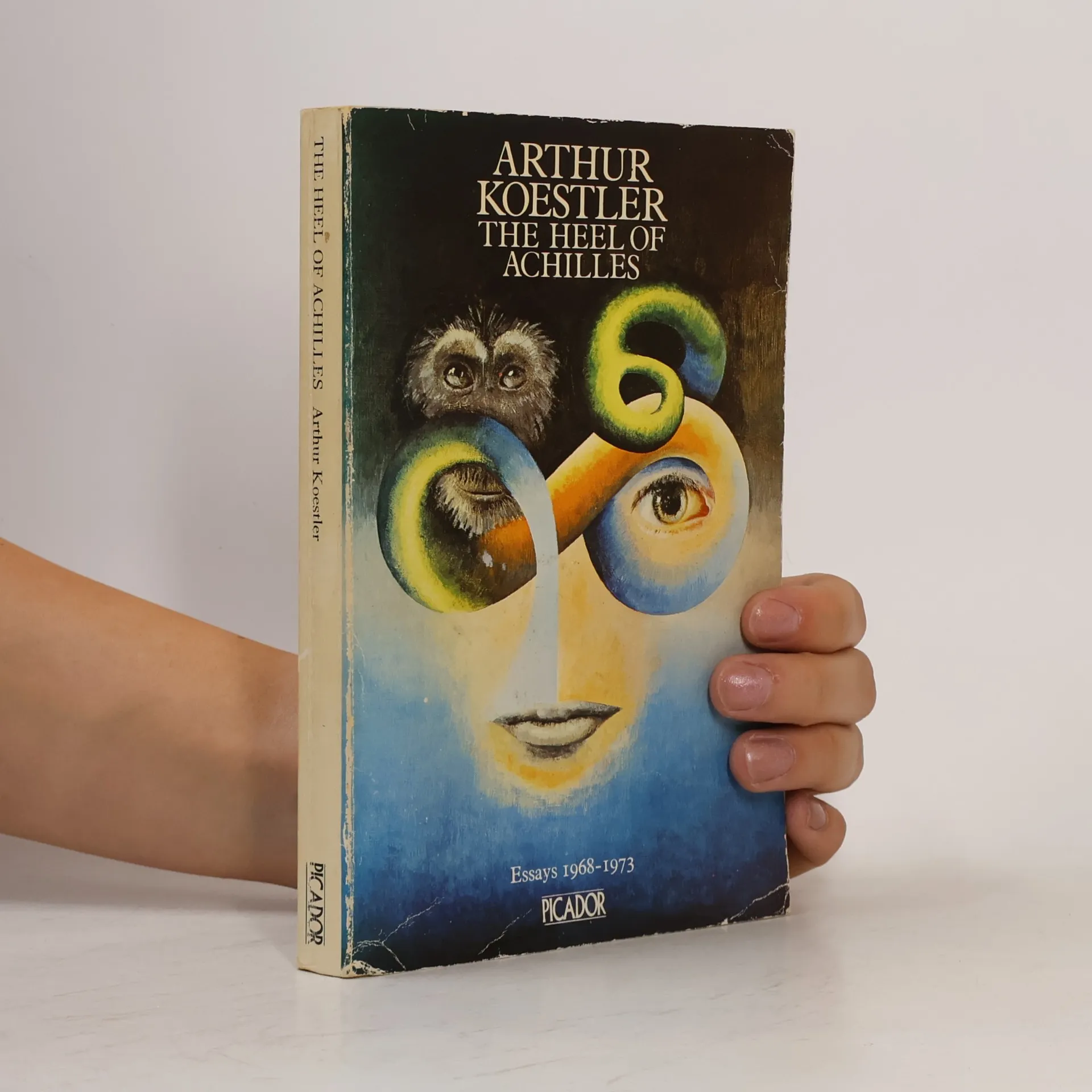
The Heel of Achilles
- 256 stránek
- 9 hodin čtení
In this penetrating selection of essays and reviews, Arthur Koestler roves from Indian politics to the paranormal, from materialism to mysticism. Whether he is addressing a learned society on education or psychiatry, discussing ESP, reporting the Fischer-Spassky chess championship or taking a step into the 1980s, Koestler is always controversial, forthright and stimulating — above all, compulsively readable. [Taken from the back cover]
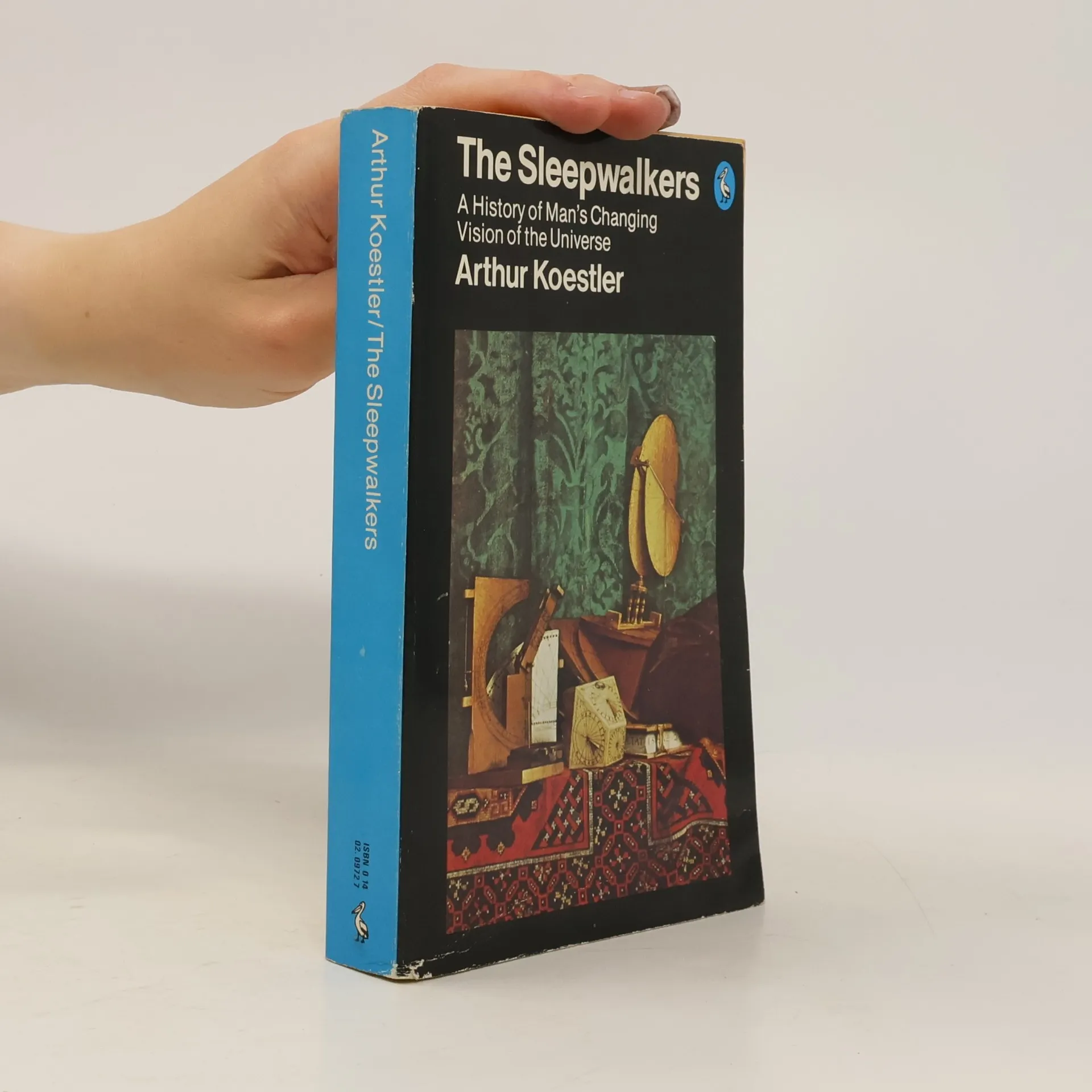
Arthur Koestler's extraordinary history of humanity's changing vision of the universe In this masterly synthesis, Arthur Koestler cuts through the sterile distinction between 'sciences' and 'humanities' to bring to life the whole history of cosmology from the Babylonians to Newton. He shows how the tragic split between science and religion arose and how, in particular, the modern world-view replaced the medieval world-view in the scientific revolution of the seventeenth century. He also provides vivid and judicious pen-portraits of a string of great scientists and makes clear the role that political bias and unconscious prejudice played in their creativity.
The Thirteenth Tribe
- 318 stránek
- 12 hodin čtení
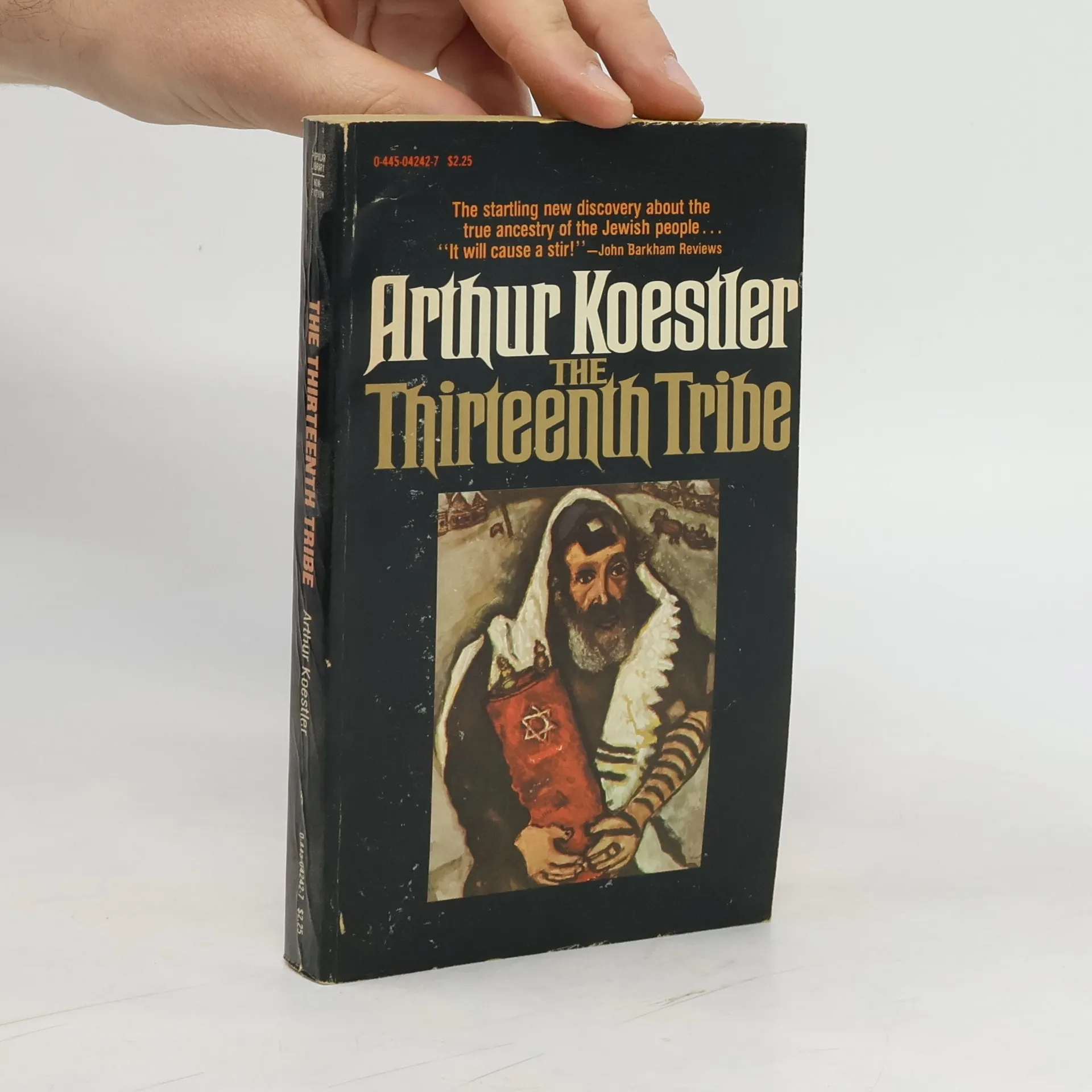
This book explores the history of the ancient Khazar Empire, a significant yet often overlooked power in Eastern Europe that converted to Judaism during the Dark Ages. The Khazars, who thrived from the 7th to 11th century, were ultimately destroyed by Genghis Khan's forces, but evidence suggests they migrated to Poland, contributing to the roots of Western Jewry. While the Khazars may seem distant to contemporary readers, their legacy has surprising relevance today. At the time of Charlemagne's reign in the West, the Khazars controlled a vast territory from the Black Sea to the Caspian Sea, playing a crucial role in halting the Muslim advance against Byzantium. This positioned them precariously between the Eastern Roman Empire and the followers of Mohammed. Koestler characterizes the Khazars as the Third World of their era, as they resisted the pressures to convert to Christianity from the West and Islam from the East by choosing Judaism instead. He speculates on the fate of the Khazars and their influence on the racial and social heritage of modern Jewry, presenting detailed research that challenges conventional understandings of anti-Semitism.
The Act of Creation
- 752 stránek
- 27 hodin čtení
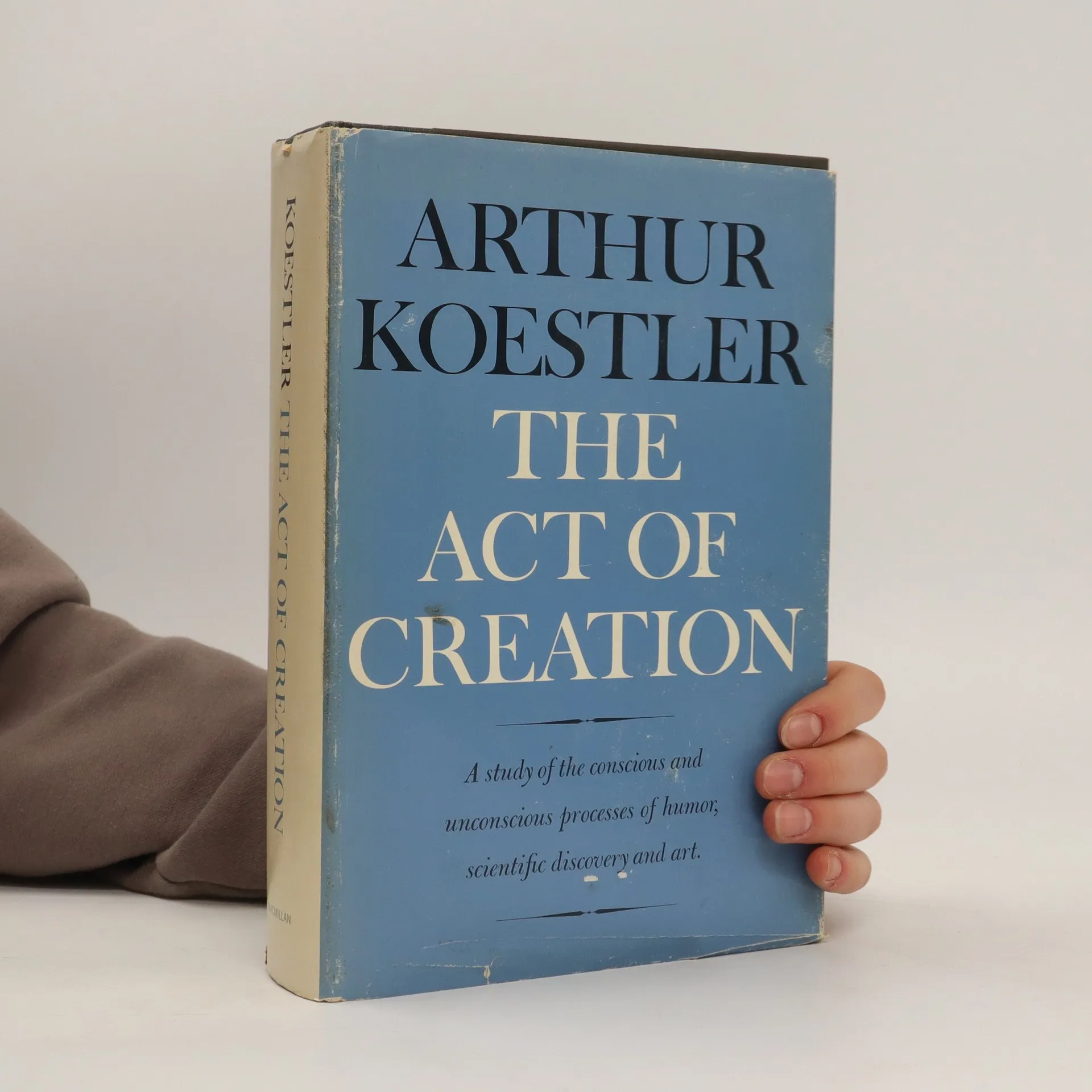
The author examines the idea that we are at our most creative when rational thought is suspended-for example, in dreams and trancelike states.
The Gladiators
- 322 stránek
- 12 hodin čtení
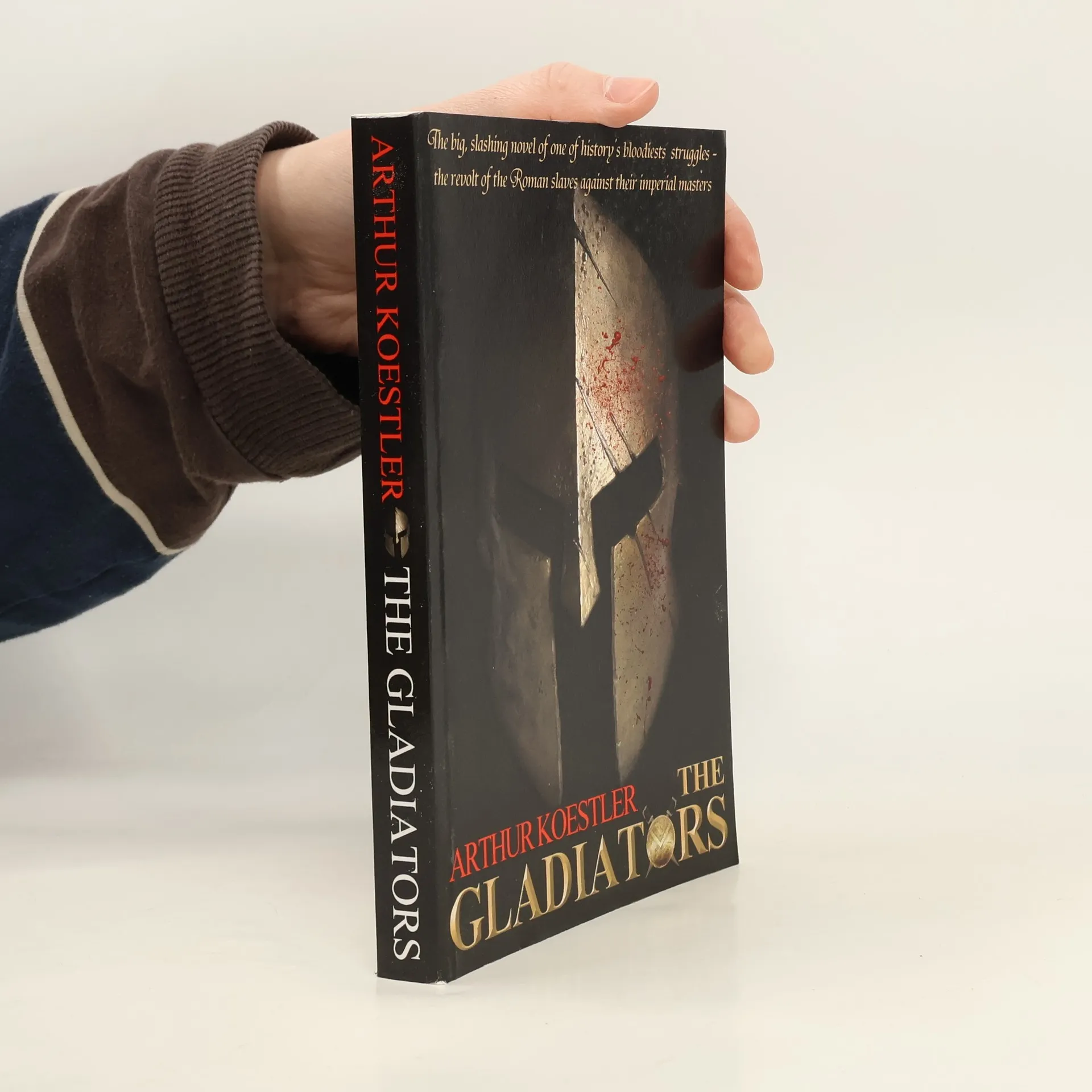
The book is the first of a trilogy, including Darkness at Noon , and Arrival and Departure , which address idealism going wrong. This is a common theme in Koestler's work and life. Koestler uses his portrayal of the original slave revolt to examine the experience of the 20thcentury political left in Europe following the rise of a Communist government in the Soviet Union. He published it on the brink of World War II. Originally written in German, the novel was translated into English for other audiences and was published in 1939. In 1998 the British critic Geoffrey Wheatcroft wrote of the novel: "In The Gladiators , Koestler used Spartacus's revolt around 65BC to explore the search for the just city, the inevitable compromises of revolution, the conflict of ends and means, the question of whether and when it is justifiable to sacrifice lives for an abstract ideal.
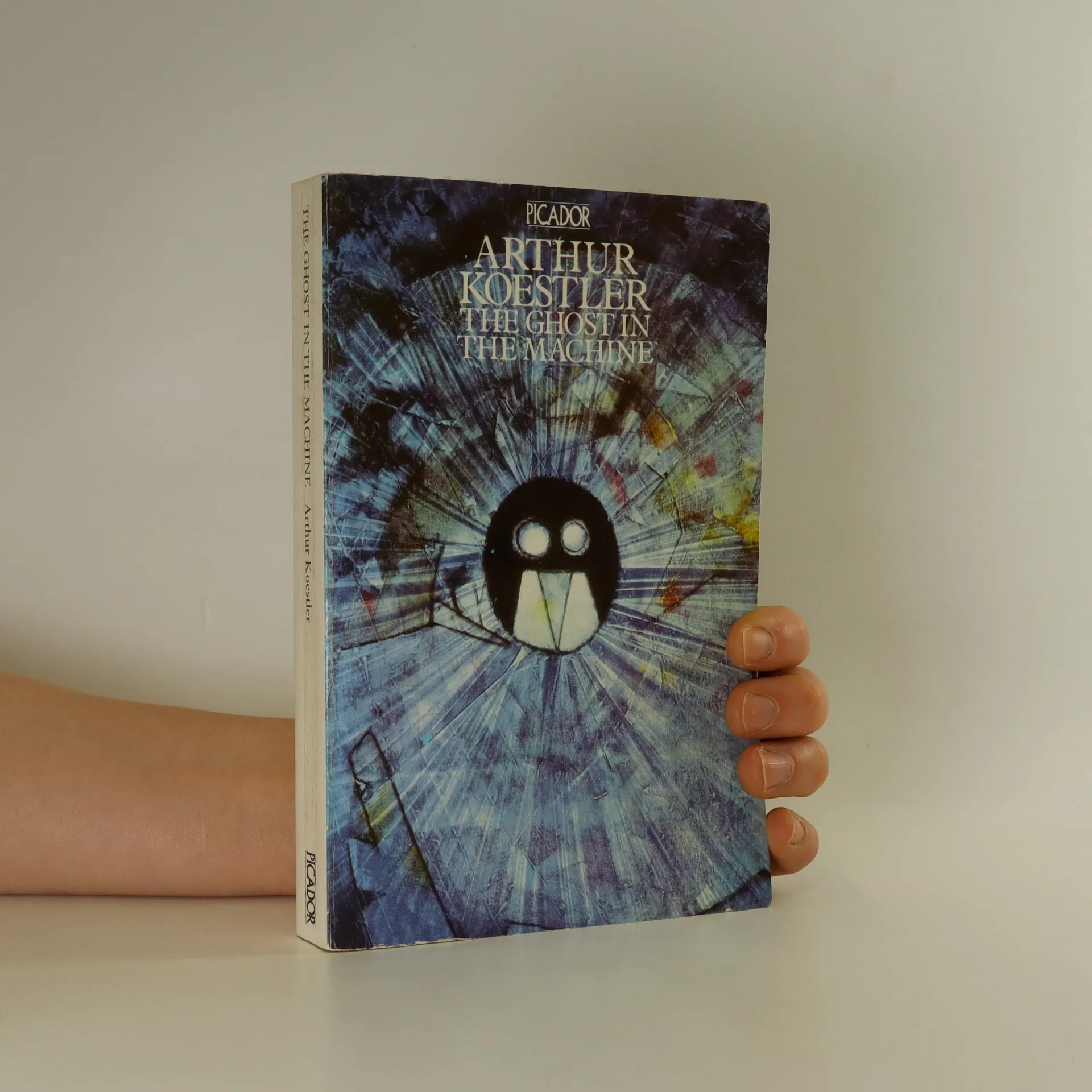
In The Sleepwalkers and The Act of Creation Arthur Koestler provided pioneering studies of scientific discovery and artistic inspiration, the twin pinnacles of human achievement. The Ghost in the Machine looks at the dark side of the coin: our terrible urge to self-destruction... Could the human species be a gigantic evolutionary mistake? To answer that startling question Koestler examines how experts on evolution and psychology all too often write about people with an 'antiquated slot-machine model based on the naively mechanistic world-view of the nineteenth century. His brilliant polemic helped to instigate a major revolution in the life sciences, yet its 'glimpses of an alternative world-view' form only the background to an even more challenging analysis of the human predicament. Perhaps, he suggests, we are a species in which ancient and recent brain structures - or reason and emotion - are not fully co-ordinated. Such in-built deficiencies may explain the paranoia, violence and insanity that are central strands of human history. And however disturbing we find such issues, Koestler contends, it is only when we face our limitations head-on that we can hope to find a remedy.
Human Discord Essays in which the author attempts to summarize his vision of humanity and the universe, as presented in previous works.
The Roots Of Coincidence
- 159 stránek
- 6 hodin čtení
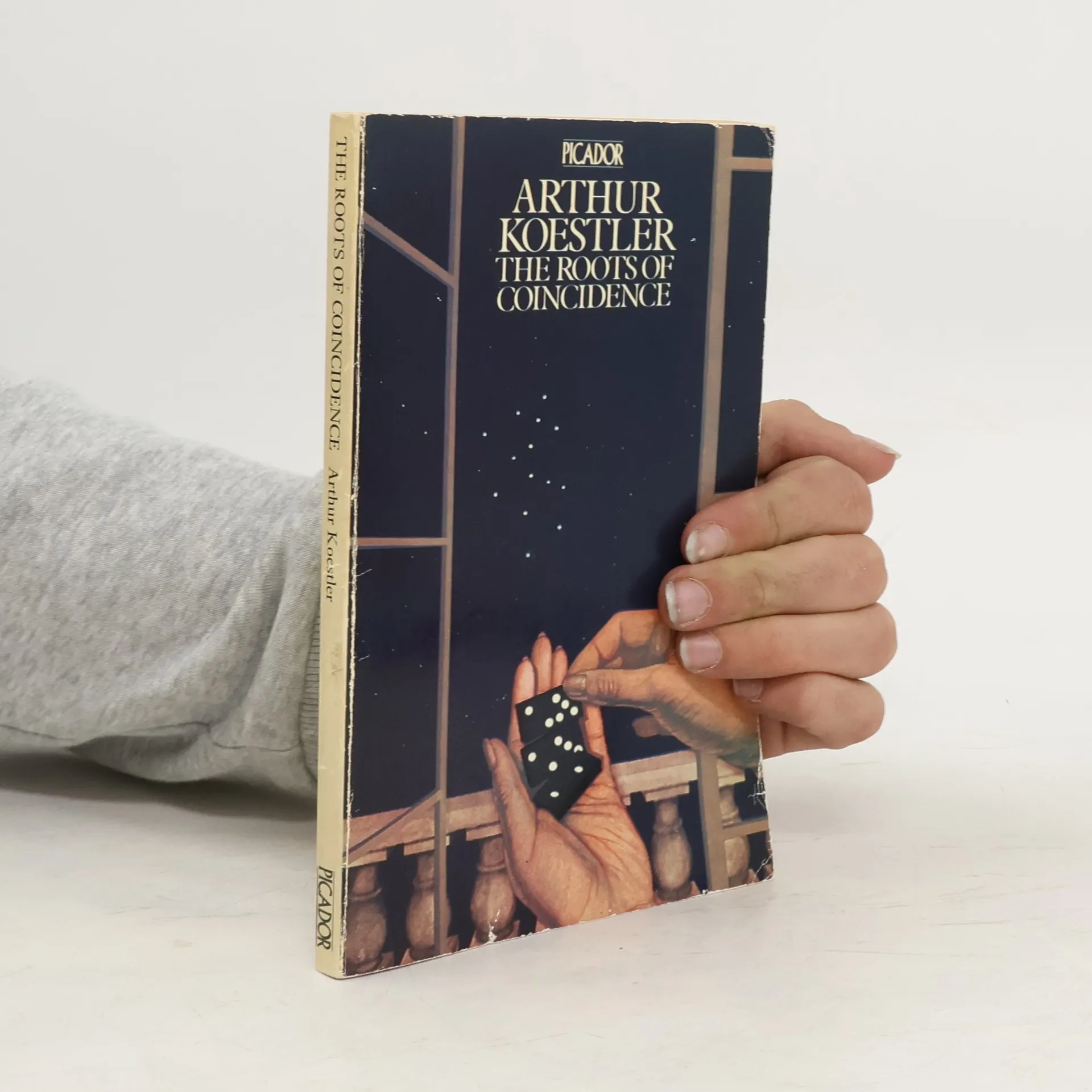
The author examines recent developments in parapsychological research and explains their implications for physicists
Arrival and Departure
- 192 stránek
- 7 hodin čtení
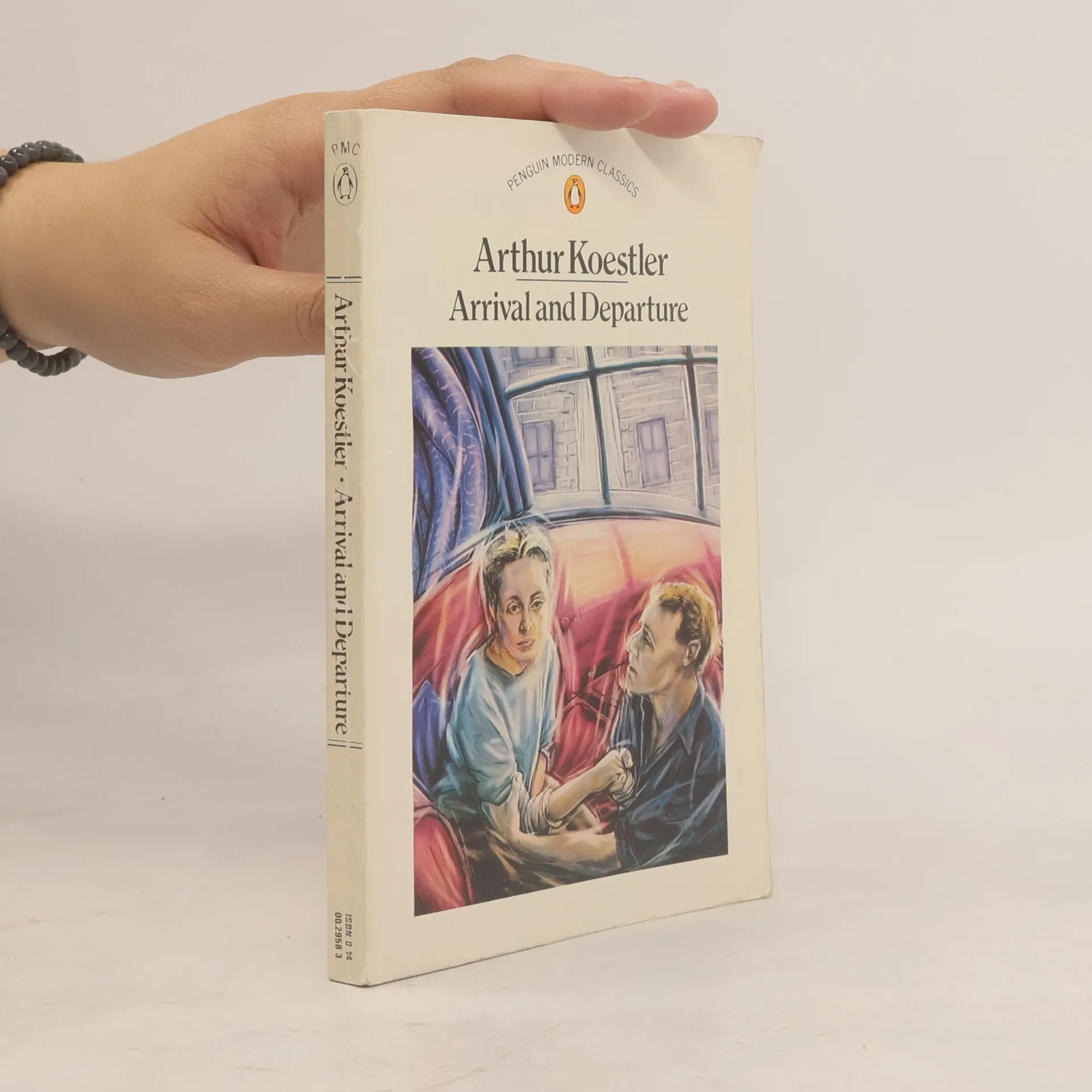
This was the third novel of Arthur Koestler's trilogy on ends and means - the other two are THE GLADIATORS and DARKNESS AT NOON - and the first he wrote in English. The central theme is the conflict between morality and expediency, and in this novel Koestler worked it out in terms of individual psychology. Peter Slavek starts out as a brave young revolutionary, but suffers a breakdown. On the analyst's couch he is made to discover, in Koestler's own words, 'that his crusading zeal was derived from unconscious guilt'.
s/t: A Tragi-comedy in Memoriam Messieurs Bouvard et Pecuchet
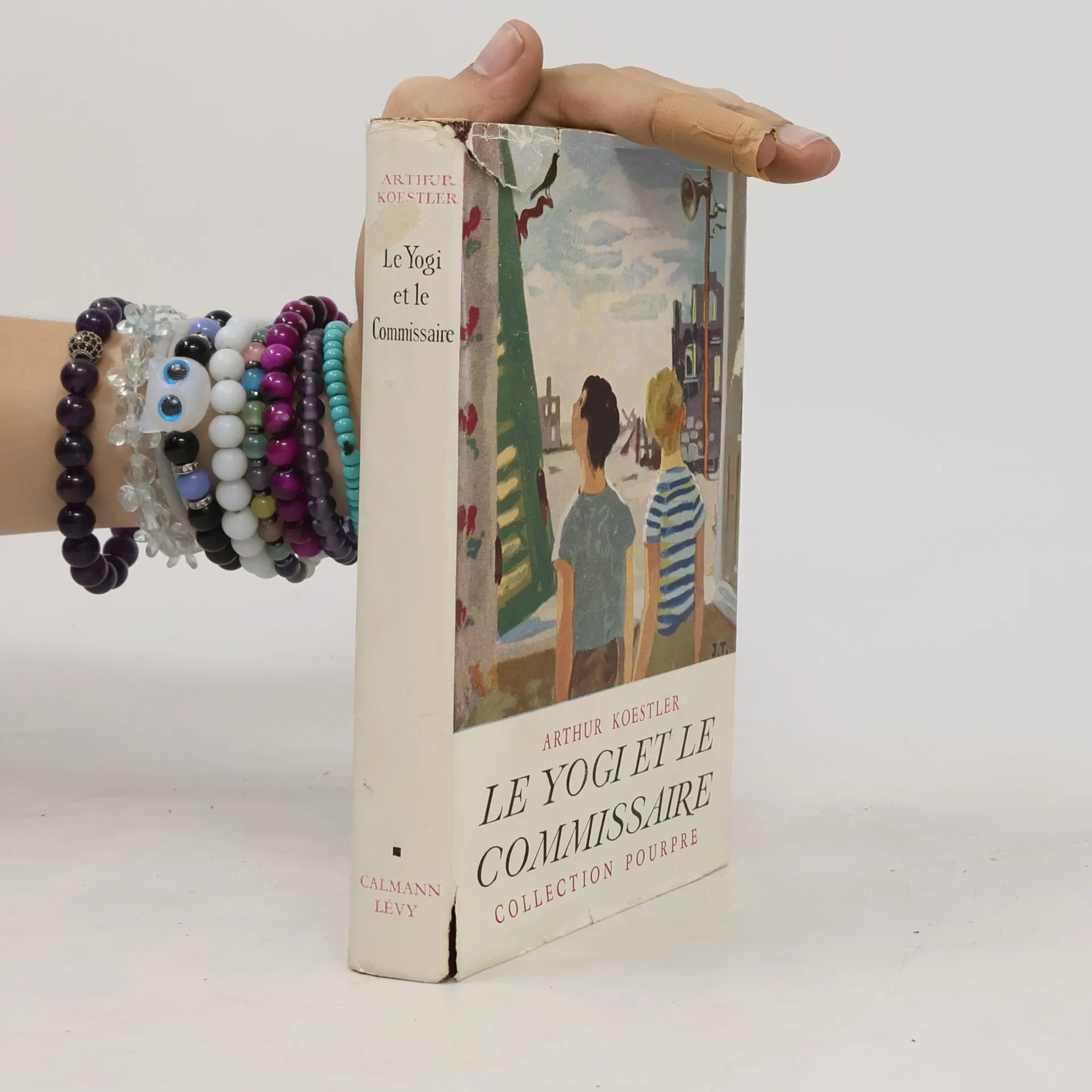
The Yogi and the Commissar
- 256 stránek
- 9 hodin čtení
Arthur Koestler divided this volume into three parts: "Wanderings", "Complaints", "Investigations". In the first two parts he collected his most important essays on the literature, politics and problems of our time. The essays, representing a period of three years, were first published on such varied forms as Horizon, Harper's, Tribune, Observer, and others. The third part, "Investigations", was specifically written for this volume and was not previously published. It includes a well documented overview of the Soviet experiment and the conclusions that can be drawn from it. The value of these conclusions by such a distinguished writer of the Left can hardly be denied.
The narrative centers on Dr. Paul Kammerer, whose suicide in 1926 marked a dramatic end to a fierce debate in evolutionary biology. His experiments with amphibians, particularly salamanders and the midwife toad, supported the Lamarckian theory of inherited acquired characteristics, challenging the neo-Darwinist perspective of evolution through chance mutations and natural selection. Kammerer's work ignited significant controversy, pitting him against established scientists and ultimately leading to his tragic demise amidst the scientific turmoil.
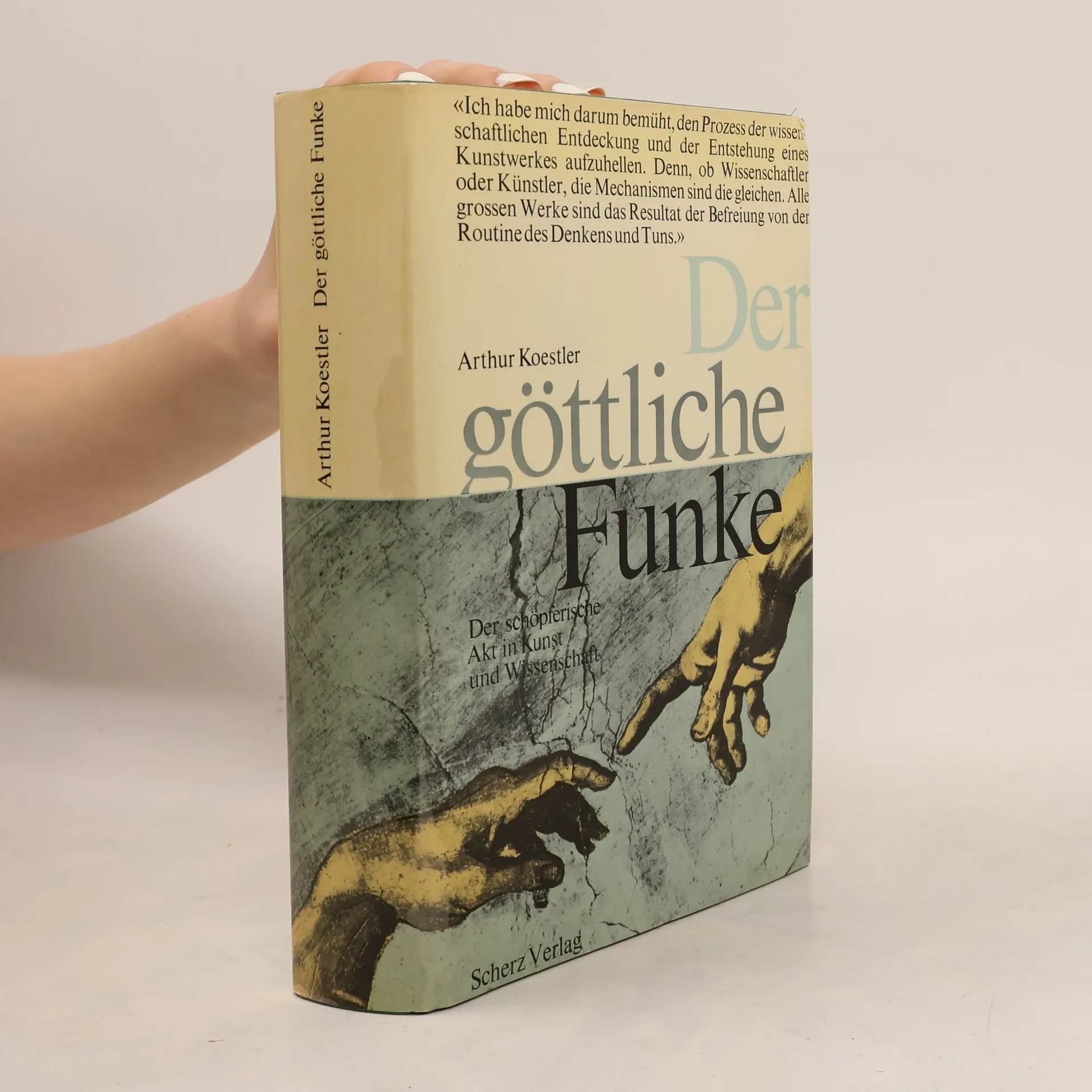
Die Autobiographie eines der schillerndsten Intellektuellen des 20. Jahrhunderts: Arthur Koestler, 1905 in Budapest geboren, war Autor, Journalist und Philosoph. Der Zionist und Kommunist wurde von der Gestapo gejagt und im spanischen Bürgerkrieg zum Tode verurteilt, während ihn Moskau später als Kalten Krieger beschimpfte. In seiner Autobiographie lotet er wie kein anderer die Grenzen im Jahrhundert der Extreme aus.
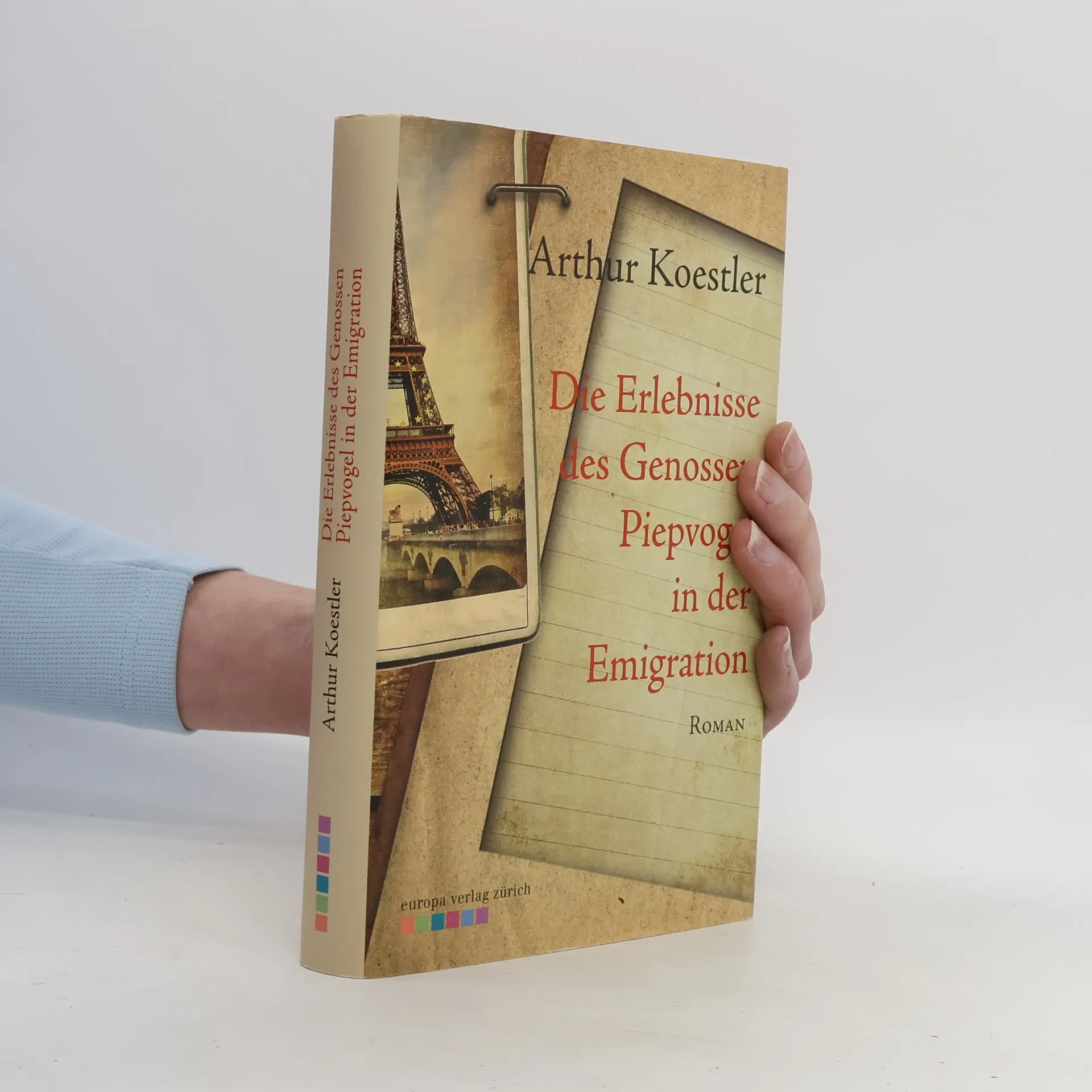
Die Erlebnisse des Genossen Piepvogel in der Emigration
- 240 stránek
- 9 hodin čtení
Bisher unveröffentlicht - Arthur Koestlers erster Roman!Von den Verlagen abgelehnt, fiel das Manuskript 1940 der Gestapo in die Hände. 1945 wurde es von dem sowjetischen Geheimdienst in Berlin sichergestellt. Da sich Koestler darin kritisch zum Sozialismus äußert, blieb das Manuskript lange in Moskau unter Verschluss. Erst jetzt wurde es in einem Archiv wiederentdeckt.Im Zentrum der Erzählung steht ein Kollektiv deutscher Emigrantenkinder, die nahe Paris in einem Kinderheim aufwachsen - darunter auch „Genosse Piepvogel“. Damals gängige Erziehungskonzepte und die Revolten pubertierender Kinder werden thematisiert. Koestler knüpft eindeutige Bezüge zur politischen Emigration der 1930er Jahre und nicht zuletzt die Verwendung von Originaldokumenten symbolisiert den erregten Zeitgeist.
Am 14. Mai 1948 endete das Britische Mandat über Palästina, und David Ben Gurion unterzeichnete noch am selben Tag die israelische Unabhängigkeitserklärung. Unmittelbar darauf erklärten die Nachbarstaaten Israel den Krieg. Die Zukunft des jungen Staates schien mehr als ungewiss.
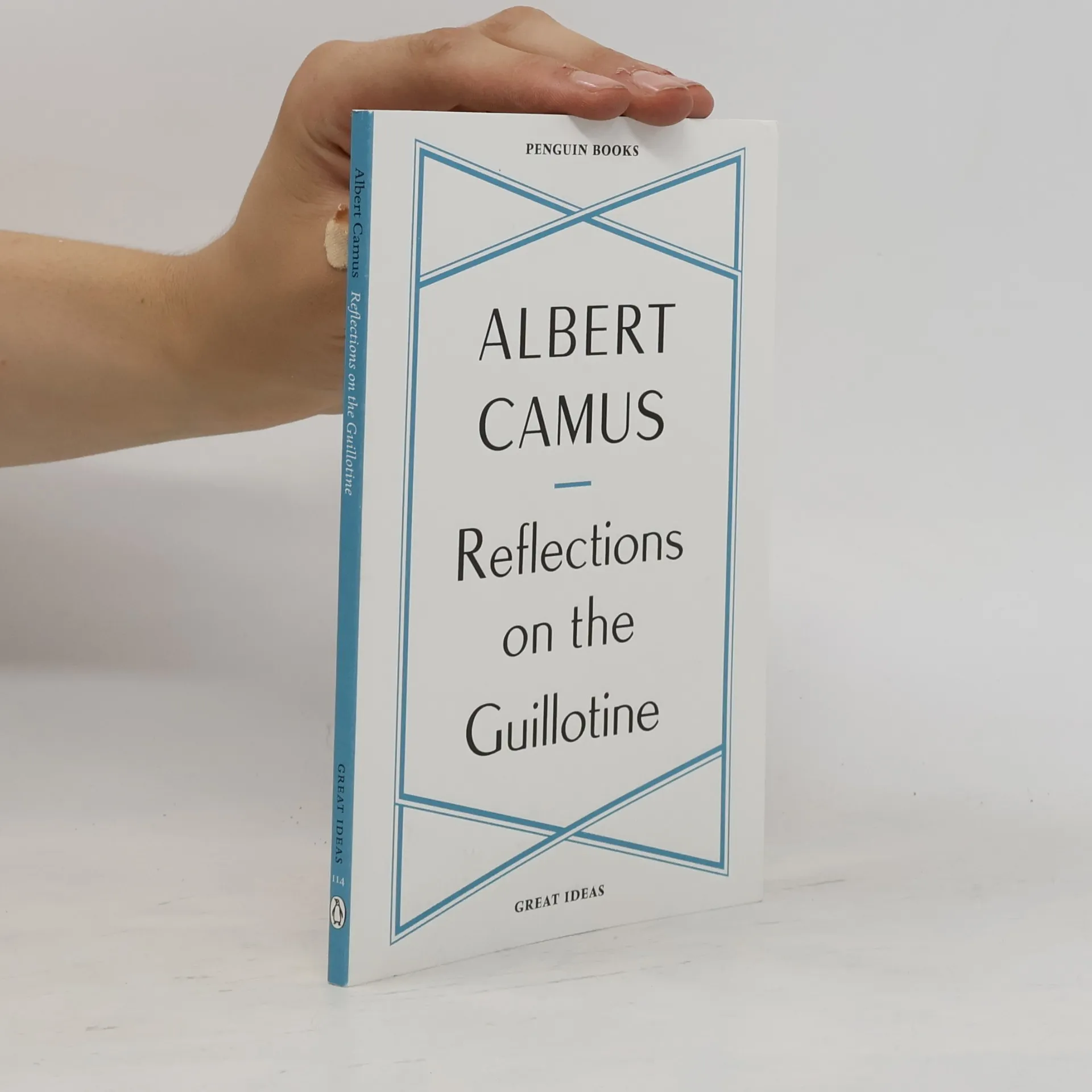
Reflections on the Guillotine
- 96 stránek
- 4 hodiny čtení
Written when execution by guillotine was still legal in France, Albert Camus' devastating attack on the 'obscene exhibition' of capital punishment remains one of the most powerful, persuasive arguments ever made against the death penalty.
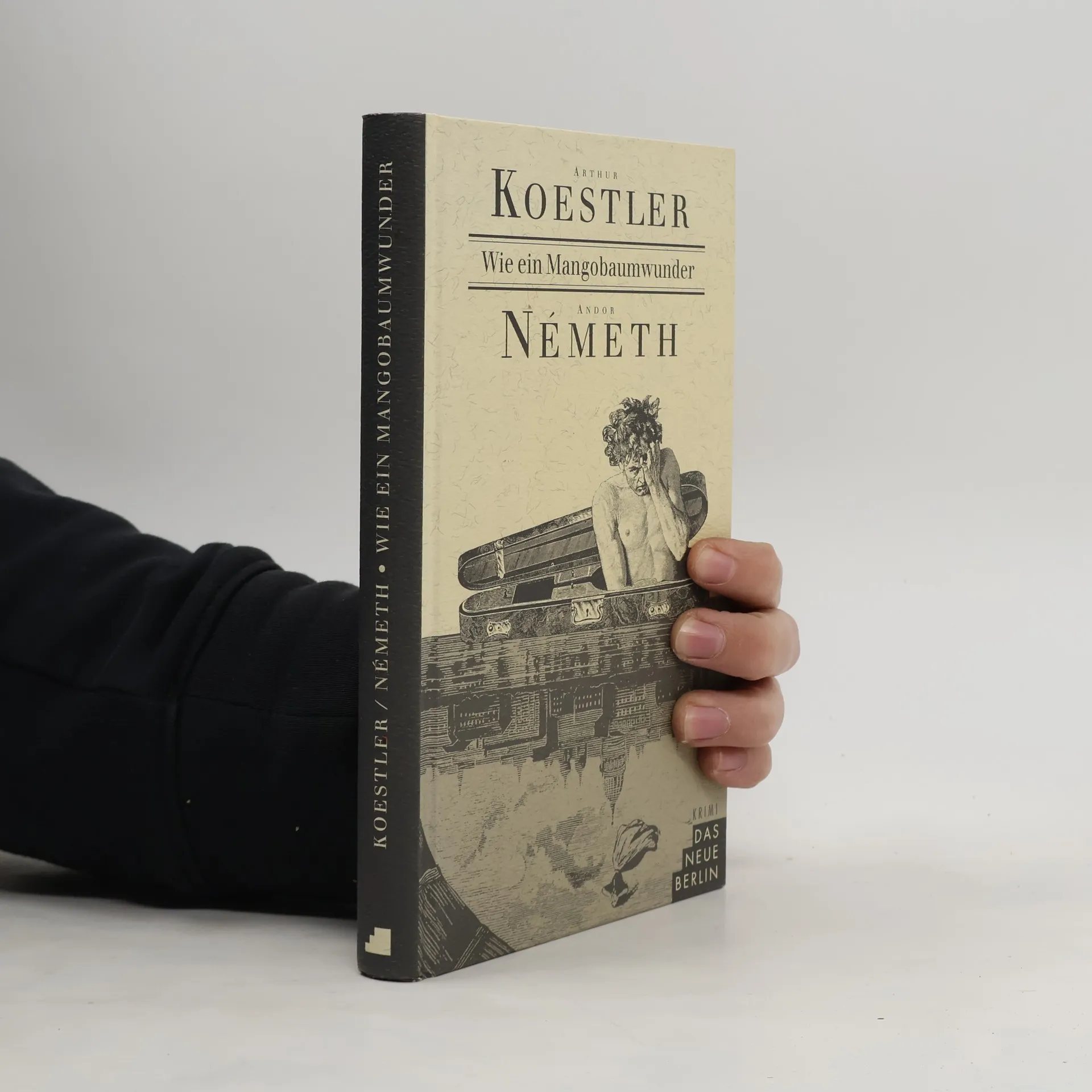
Wie ein Mangobaumwunder
- 159 stránek
- 6 hodin čtení
Libro usado en buenas condiciones, por su antiguedad podria contener señales normales de uso
Japan
- 117 stránek
- 5 hodin čtení
India
- 136 stránek
- 5 hodin čtení
Frühe Empörung. Autobiographische Schriften
- 502 stránek
- 18 hodin čtení
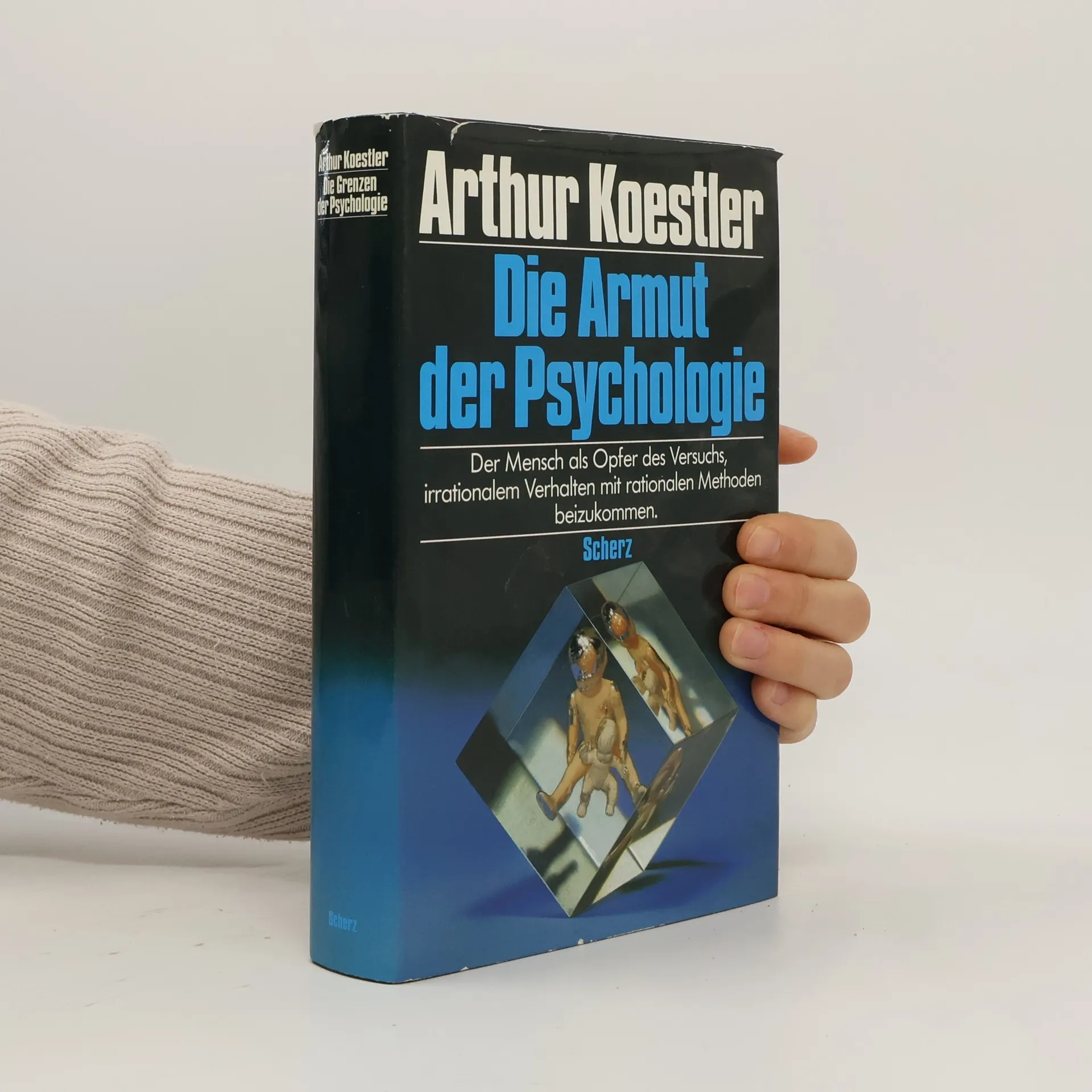
Die Armut der Psychologie
- 344 stránek
- 13 hodin čtení
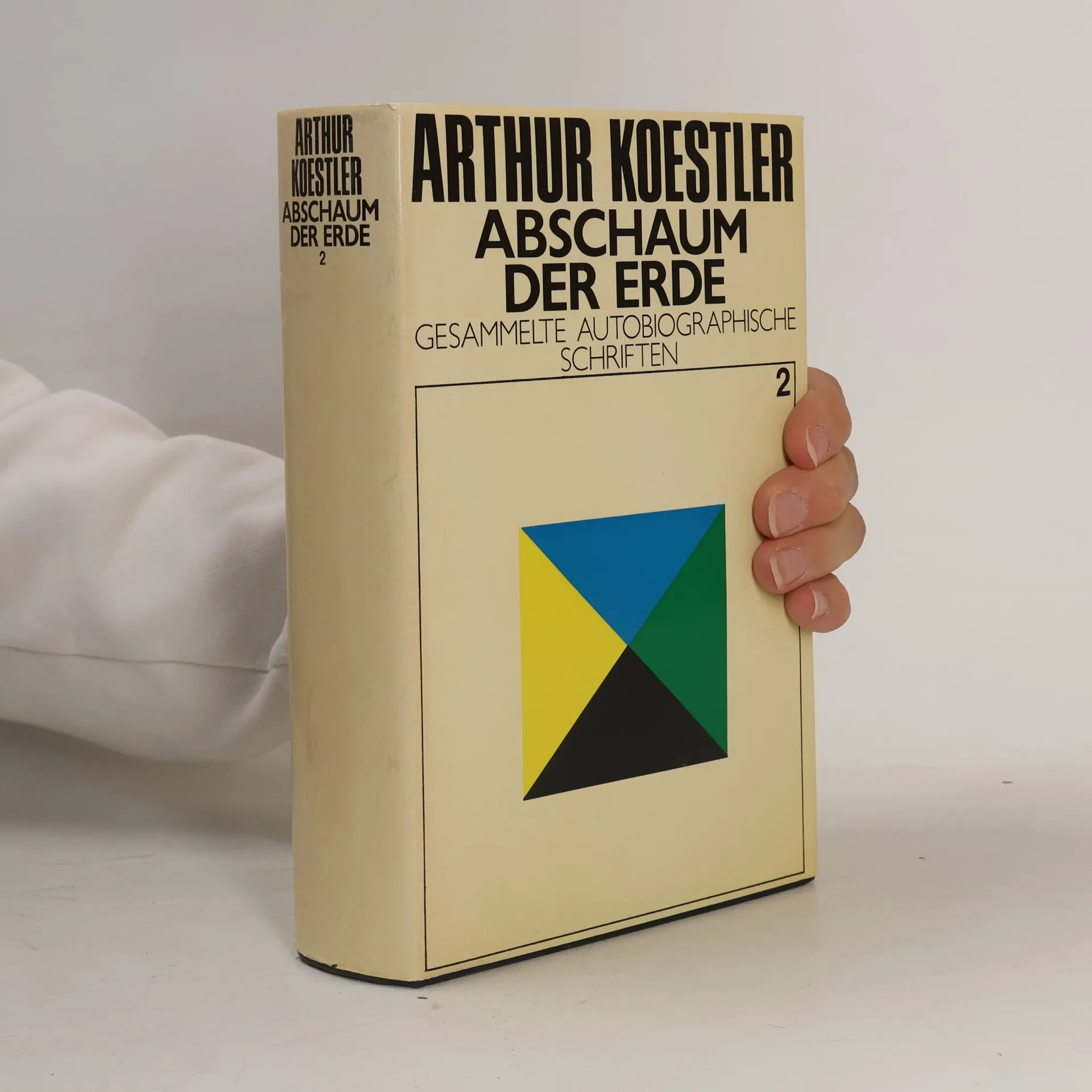
Abschaum der Erde 2
Gesammelte autobiographische Schriften
Das rote Jahrzehnt
- 110 stránek
- 4 hodiny čtení
Hieroglyphes
- 831 stránek
- 30 hodin čtení
Edition originale, 1955. Suite de ##La corde raide## (1952), dans la même veine autobiographique. Il s'agit, selon l'auteur, de "l'histoire typique d'un membre des classes moyennes instruites d'Europe centrale dans la première moitié de notre siècle". Un appendice au tome 1 a été ajouté par l'éditeur, à la demande de Koestler: il s'agit d'un texte écrit pour un ouvrage collectif intitulé ##Le Dieu des ténèbres## (Calmann-Lévy, 1950). Intérêt littéraire, politique, historique et philosophique.
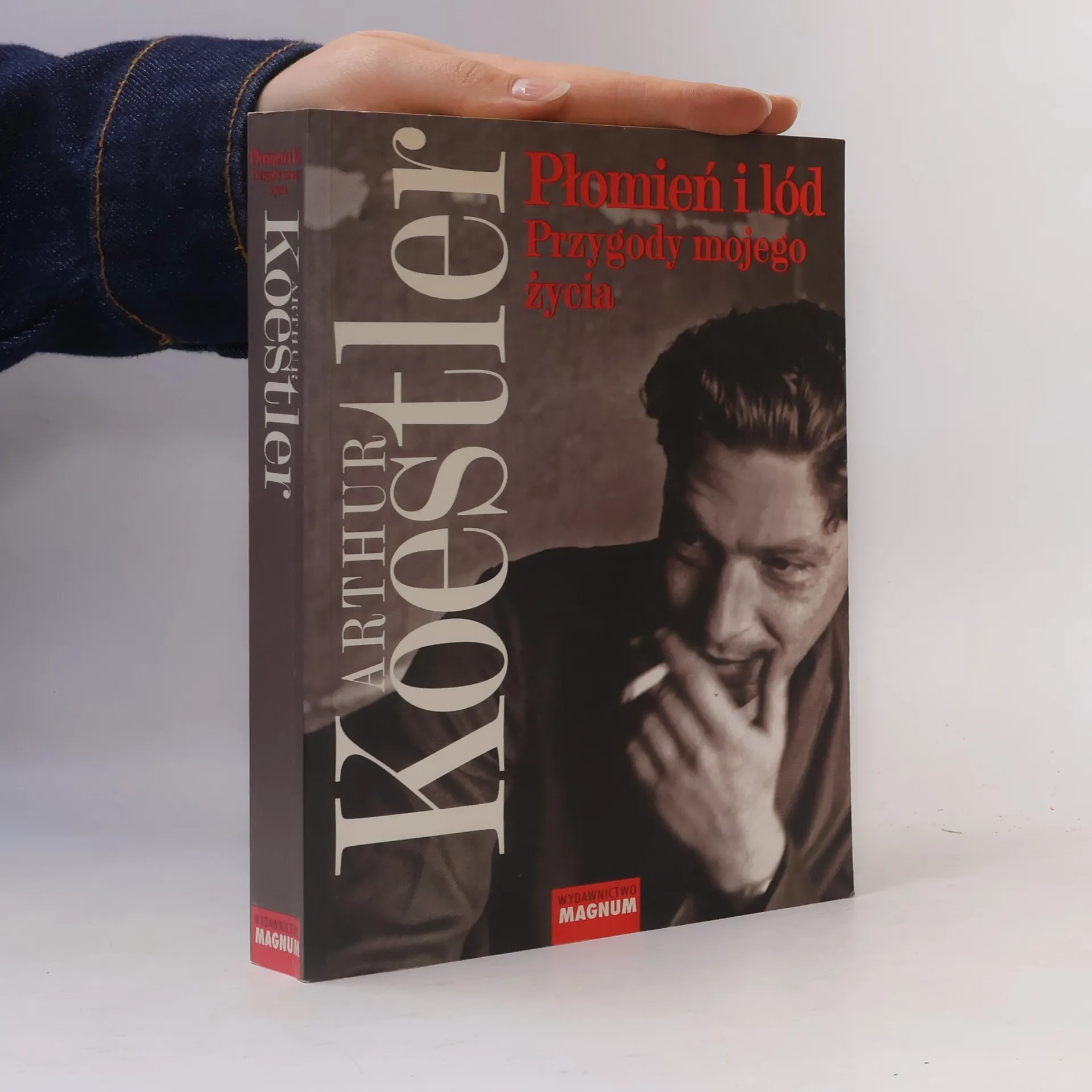
Płomień i lód
- 432 stránek
- 16 hodin čtení
Przebywając w 1937 roku w celi śmierci frankistowskiego więzienia, Arthur Koestler przyrzekł sobie, że jeśli wyjdzie na wolność, napisze autobiografię, w której nie zatai niczego. Wyszedł na wolność i dotrzymał słowa. Koestler, autor słynnej 'Ciemności w południe', opublikował cztery książki autobiograficzne. Polskie wydanie składa się z najciekawszych fragmentów tych książek. Autor opisuje swoje niezwykle barwne życie na tle burzliwych lat 1905–1940 i tworzy fascynujący obraz epoki – epoki zbrodniczych ideologii, rewolucji, wojen światowych i przewrotów w nauce. 'Znakomicie napisane i głęboko przejmujące wspomnienia, a zarazem portret całej generacji.' „The Observer” 'Najbardziej oryginalna autobiografia od czasu Wyznań Jeana Jacques’a Rousseau.' V.S. Pritchett, „New Statesman” 'Arthur Koestler przez całe życie trzymał rękę na pulsie swojej epoki i przez blisko dwadzieścia lat odciskał na niej własne piętno, bo żył w niej, cierpiał, analizował ją i dokumentował. Od wczesnej młodości był aktywnym uczestnikiem wydarzeń, a jednocześnie potrafił wspaniale opisać zarówno to, co robił, jak okoliczności i czasy, w których działał. ' Hilde Spiel, „Frankfurter Allgemeine Zeitung”
Krucjata bez krzyża
- 195 stránek
- 7 hodin čtení