

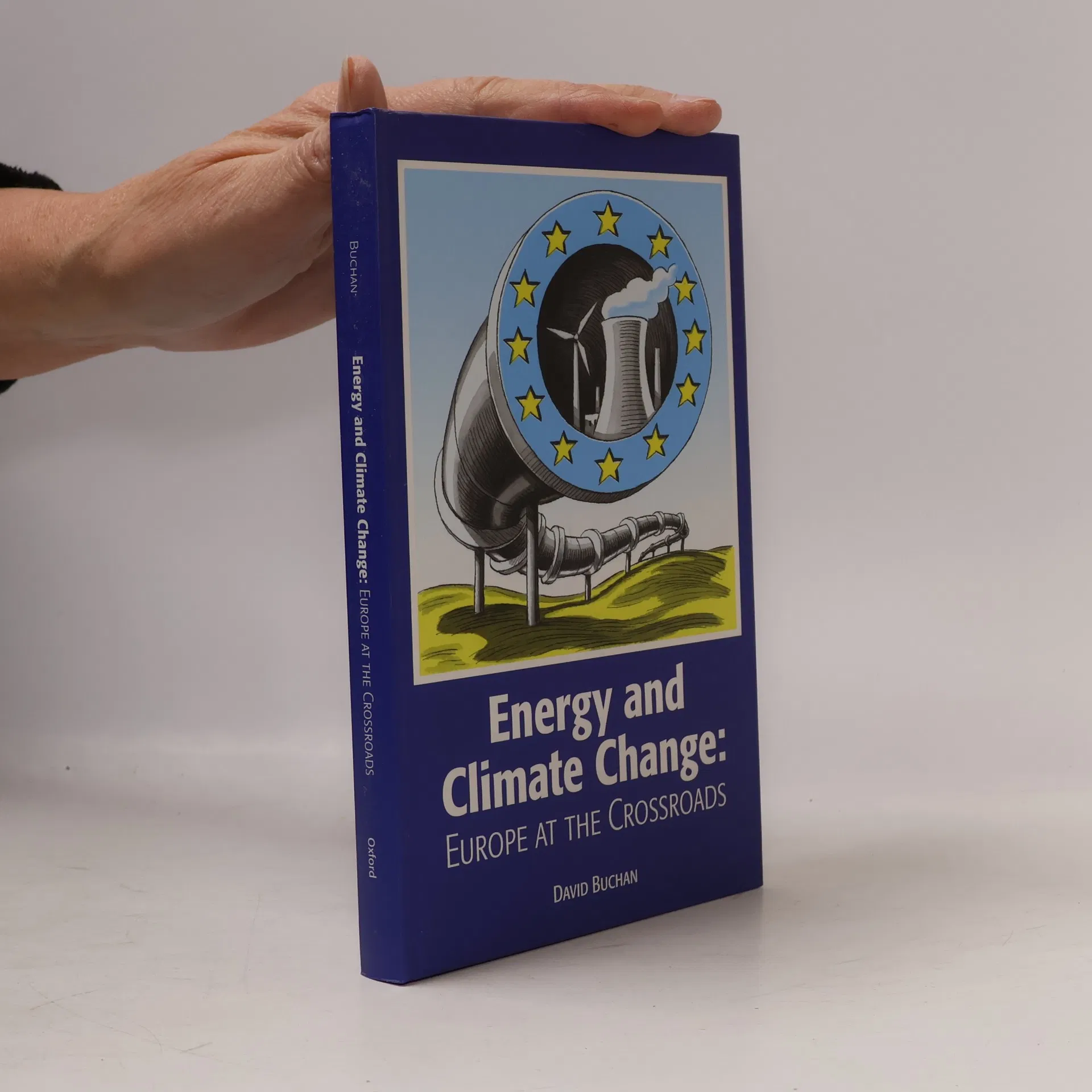


Energy and Climate Change
Europe at the Crossroads
Autoři
Více o knize
This book examines the evolution of energy policy from a narrow focus on Brussels' anti-trust division and market liberalization to a broader concern about energy dependence on Russia, ultimately becoming a key aspect of the EU's international policy, particularly in climate change leadership. It evaluates progress toward various energy policy goals—competitive market structures, secure supply, and a low-carbon economy—arguing that while these goals may not be equally attainable for all EU states, the policy trade-offs are more manageable within the Union than for individual countries. The book highlights the EU's potential to leverage its continental scale for energy savings, research, nuclear cooperation, and enhanced energy security. It notes that member states have prioritized EU energy policy, allowing its development to outpace formal treaty provisions. For continued progress, the EU must remain relevant to member states' needs, focusing on consolidating and enforcing existing liberalization rather than pursuing potentially counterproductive market restructuring. It should adopt a more pragmatic approach to its energy relationship with Russia and set ambitious yet economically rational climate change goals. The book offers recommendations for internal energy markets, energy security, and climate policies, concluding that cost-effective carbon emission reduction should be the EU's primary energy priority, necessitating a
Nákup knihy
Energy and Climate Change, David Buchan
- Jazyk

- Rok vydání
- 2009
- Vazba
- (pevná),
- Stav knihy
- Dobrá
- Cena
- 279 Kč
Doručení
Platební metody
Nikdo zatím neohodnotil.
- Titul
- Energy and Climate Change
- Podtitul
- Europe at the Crossroads
- Jazyk
- anglicky
- Autoři
- David Buchan
- Vydavatel
- Oxford University Press
- Rok vydání
- 2009
- Vazba
- pevná
- Počet stran
- 218
- ISBN10
- 0199569908
- ISBN13
- 9780199569908
- Série
- Kategorie
- Štítky
- Byznys, Věda, Evropa, Lingvistika, Politické teorie, Klimatické změny, Občanské právo, Energie, Environmentální ekonomie
- Anotace
- This book examines the evolution of energy policy from a narrow focus on Brussels' anti-trust division and market liberalization to a broader concern about energy dependence on Russia, ultimately becoming a key aspect of the EU's international policy, particularly in climate change leadership. It evaluates progress toward various energy policy goals—competitive market structures, secure supply, and a low-carbon economy—arguing that while these goals may not be equally attainable for all EU states, the policy trade-offs are more manageable within the Union than for individual countries. The book highlights the EU's potential to leverage its continental scale for energy savings, research, nuclear cooperation, and enhanced energy security. It notes that member states have prioritized EU energy policy, allowing its development to outpace formal treaty provisions. For continued progress, the EU must remain relevant to member states' needs, focusing on consolidating and enforcing existing liberalization rather than pursuing potentially counterproductive market restructuring. It should adopt a more pragmatic approach to its energy relationship with Russia and set ambitious yet economically rational climate change goals. The book offers recommendations for internal energy markets, energy security, and climate policies, concluding that cost-effective carbon emission reduction should be the EU's primary energy priority, necessitating a