

Switzerland, National Socialism And The Second World War
Více o knize
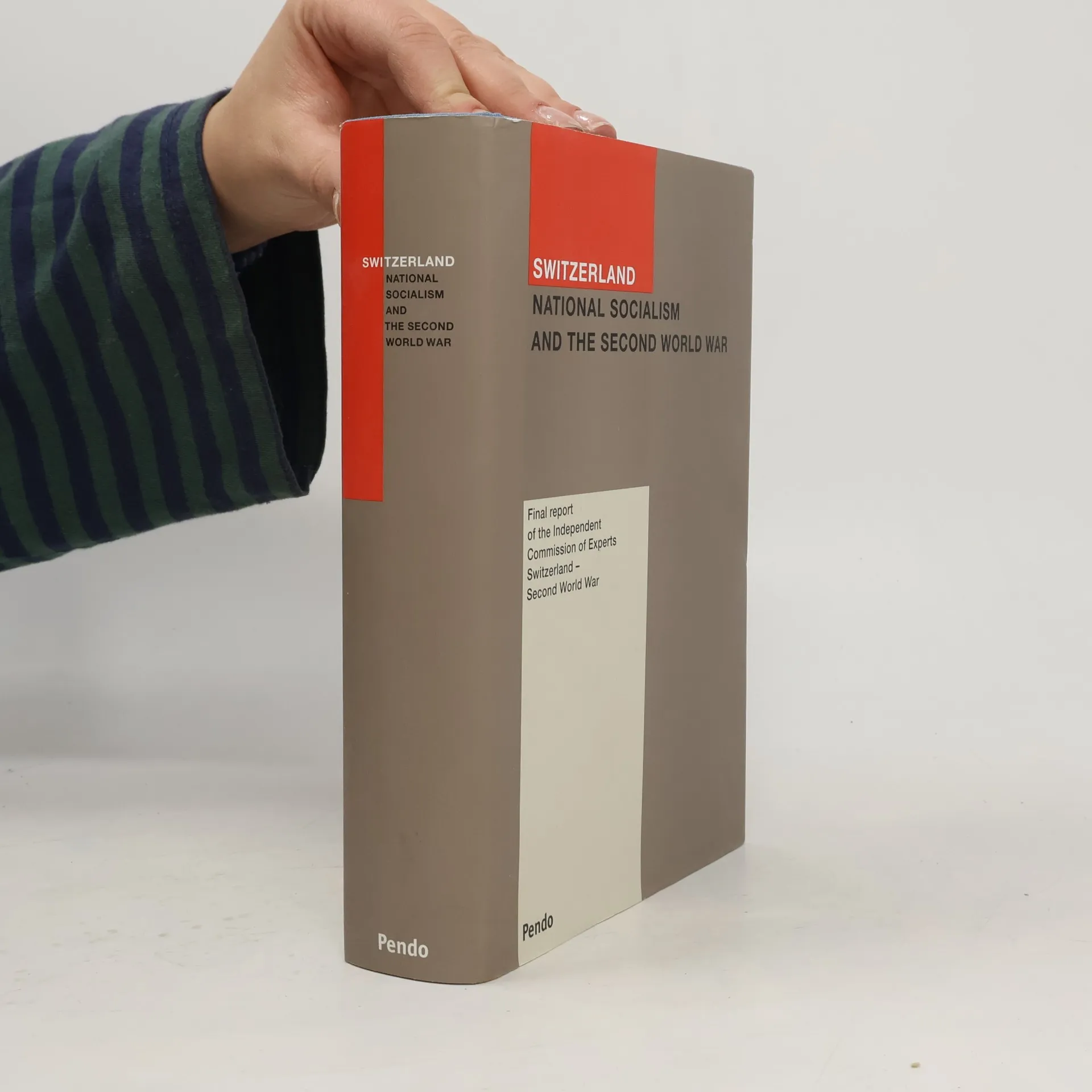
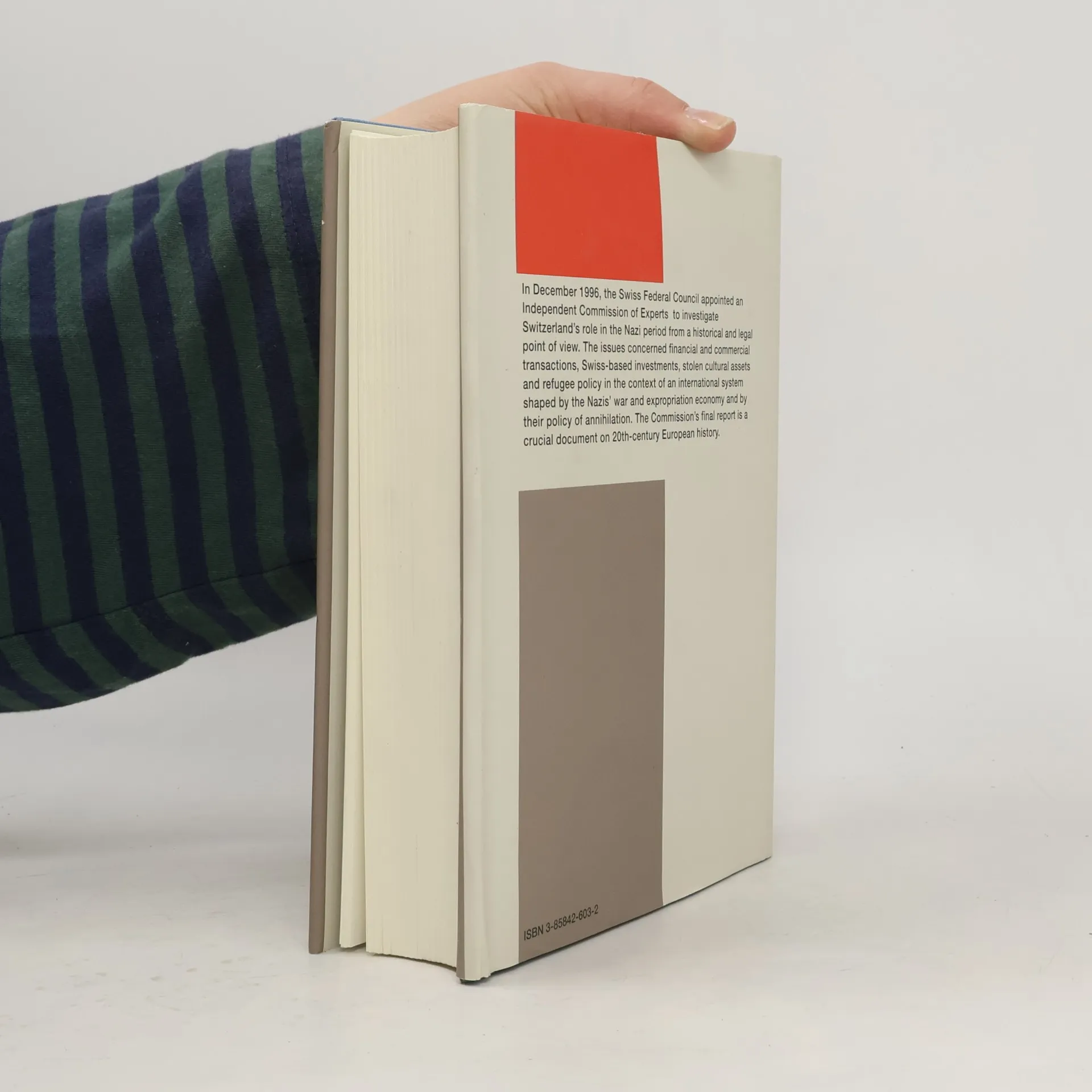
In 1996, Switzerland faced intense scrutiny regarding its actions during the National Socialist regime and World War II, portrayed as an amoral war profiteer and a center for Nazi covert operations. The international media highlighted unresolved restitution issues from 1933 to 1945, focusing on looted gold, dormant bank accounts, and stolen cultural assets, all tied to the victims of persecution and extermination. In response, the Swiss Parliament and Government established an Independent Commission of Experts, tasked with a five-year investigation into these allegations within their historical and legal contexts. This effort allowed unprecedented access to archives, overcoming the previously insurmountable Swiss banking secrecy and extending research to banks and companies. The findings reveal a complex picture of Switzerland's challenges during those dark years, showcasing varying degrees of success in addressing them. The investigations illustrate the interplay between national survival, economic interests, and cultural ties to the international community. They analyze the restitution of stolen property from political and legal perspectives, consistently foregrounding the individual experiences of refugees and victims. The insights gained contribute to a deeper understanding of Switzerland's position and policies during the Nazi era, fostering an essential dialogue on its historical portrayal.
Nákup knihy
Switzerland, National Socialism And The Second World War, Mario König, Berghahn Books Staff, Independent Commission of Experts, Unabhängige Expertenkommission Schweiz--Zweiter Weltkrieg
- Jazyk

- Rok vydání
- 2002
- Vazba
- (pevná),
- Stav knihy
- Dobrá
- Cena
- 709 Kč
Doručení
Platební metody
Nikdo zatím neohodnotil.
- Titul
- Switzerland, National Socialism And The Second World War
- Jazyk
- anglicky
- Autoři
- Mario König, Berghahn Books Staff, Independent Commission of Experts, Unabhängige Expertenkommission Schweiz--Zweiter Weltkrieg
- Vydavatel
- Pendo
- Rok vydání
- 2002
- Vazba
- pevná
- Počet stran
- 560
- ISBN10
- 3858426032
- ISBN13
- 9783858426031
- Série
- Štítky
- Historické téma, Politika, USA, 20. století, Druhá světová válka, Evropa, Historie Evropy, Politické teorie, Holokaust, Švýcarsko, Západní Evropa, Židovský majetek
- Anotace
- In 1996, Switzerland faced intense scrutiny regarding its actions during the National Socialist regime and World War II, portrayed as an amoral war profiteer and a center for Nazi covert operations. The international media highlighted unresolved restitution issues from 1933 to 1945, focusing on looted gold, dormant bank accounts, and stolen cultural assets, all tied to the victims of persecution and extermination. In response, the Swiss Parliament and Government established an Independent Commission of Experts, tasked with a five-year investigation into these allegations within their historical and legal contexts. This effort allowed unprecedented access to archives, overcoming the previously insurmountable Swiss banking secrecy and extending research to banks and companies. The findings reveal a complex picture of Switzerland's challenges during those dark years, showcasing varying degrees of success in addressing them. The investigations illustrate the interplay between national survival, economic interests, and cultural ties to the international community. They analyze the restitution of stolen property from political and legal perspectives, consistently foregrounding the individual experiences of refugees and victims. The insights gained contribute to a deeper understanding of Switzerland's position and policies during the Nazi era, fostering an essential dialogue on its historical portrayal.