

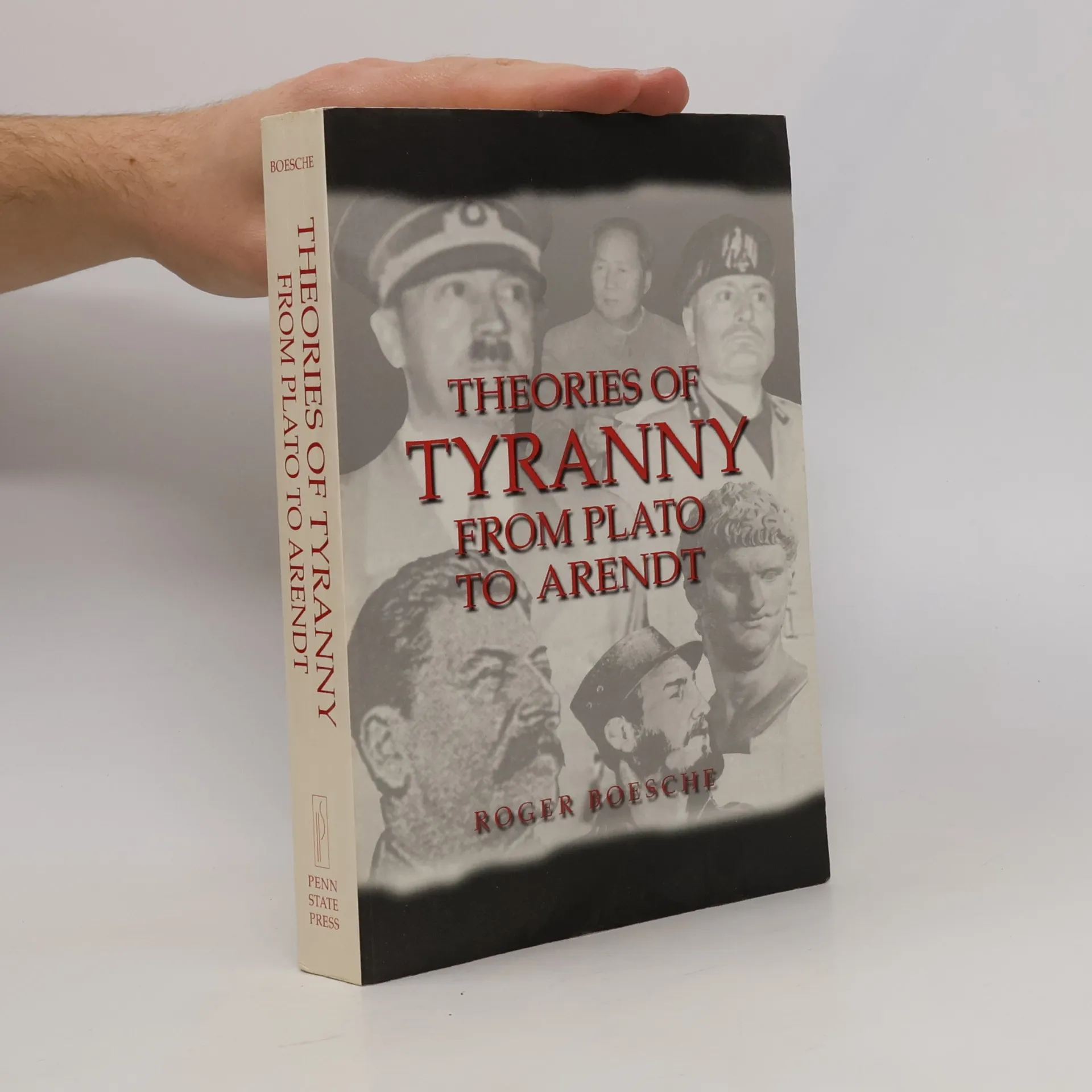
Theories of Tyranny
From Plato to Arendt
Autoři
Parametry
- 504 stránek
- 18 hodin čtení
Více o knize
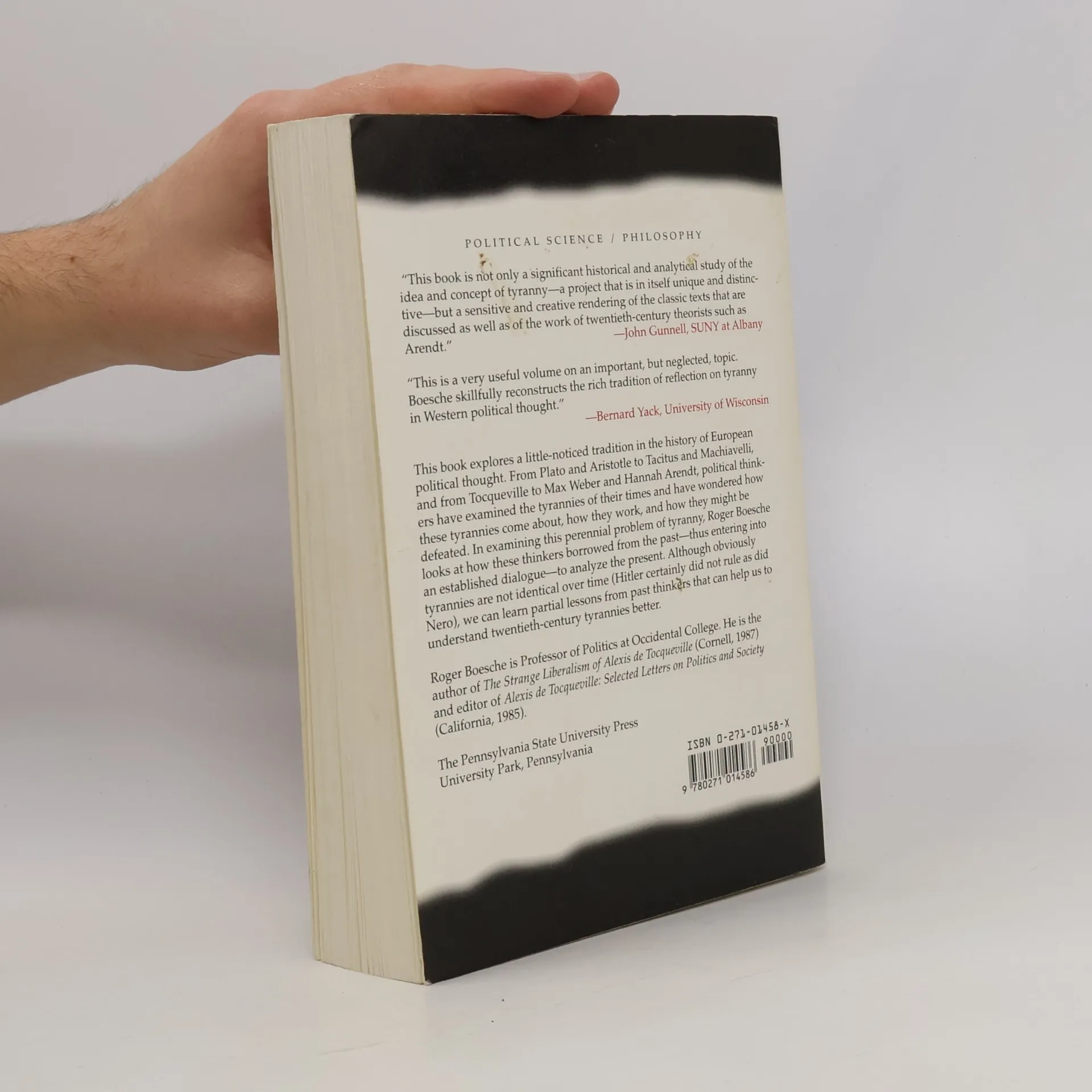
This book explores a little-noticed tradition in the history of European political thought. From Plato to Aristotle to Tacitus and Machiavelli, and from Tocqueville to Max Weber and Hannah Arendt, political thinkers have examined the tyrannies of their times and have wondered how these tyrannies come about, how they work, and how they might be defeated. In examining this perennial problem of tyranny, Roger Boesche looks at how these thinkers borrowed from the past--thus entering into an established dialogue--to analyze the present. Although obviously tyrannies are not identical over time (Hitler certainly did not rule as Nero), we can learn partial lessons from past thinkers that can help us to better understand twentieth-century tyrannies.
Nákup knihy
Theories of Tyranny, Roger Boesche
- Jazyk

- Rok vydání
- 1995
- Vazba
- (měkká),
- Stav knihy
- Dobrá
- Cena
- 749 Kč
Doručení
Platební metody
Nikdo zatím neohodnotil.
- Titul
- Theories of Tyranny
- Podtitul
- From Plato to Arendt
- Jazyk
- anglicky
- Autoři
- Roger Boesche
- Vydavatel
- Penn State University Press
- Rok vydání
- 1995
- Vazba
- měkká
- Počet stran
- 504
- ISBN10
- 027101458X
- ISBN13
- 9780271014586
- Série
- Kategorie
- Štítky
- Historické téma, Filosofická tématika, Politika, Politické teorie, Západní Evropa, Kritika, Diktatura
- Anotace
- This book explores a little-noticed tradition in the history of European political thought. From Plato to Aristotle to Tacitus and Machiavelli, and from Tocqueville to Max Weber and Hannah Arendt, political thinkers have examined the tyrannies of their times and have wondered how these tyrannies come about, how they work, and how they might be defeated. In examining this perennial problem of tyranny, Roger Boesche looks at how these thinkers borrowed from the past--thus entering into an established dialogue--to analyze the present. Although obviously tyrannies are not identical over time (Hitler certainly did not rule as Nero), we can learn partial lessons from past thinkers that can help us to better understand twentieth-century tyrannies.