

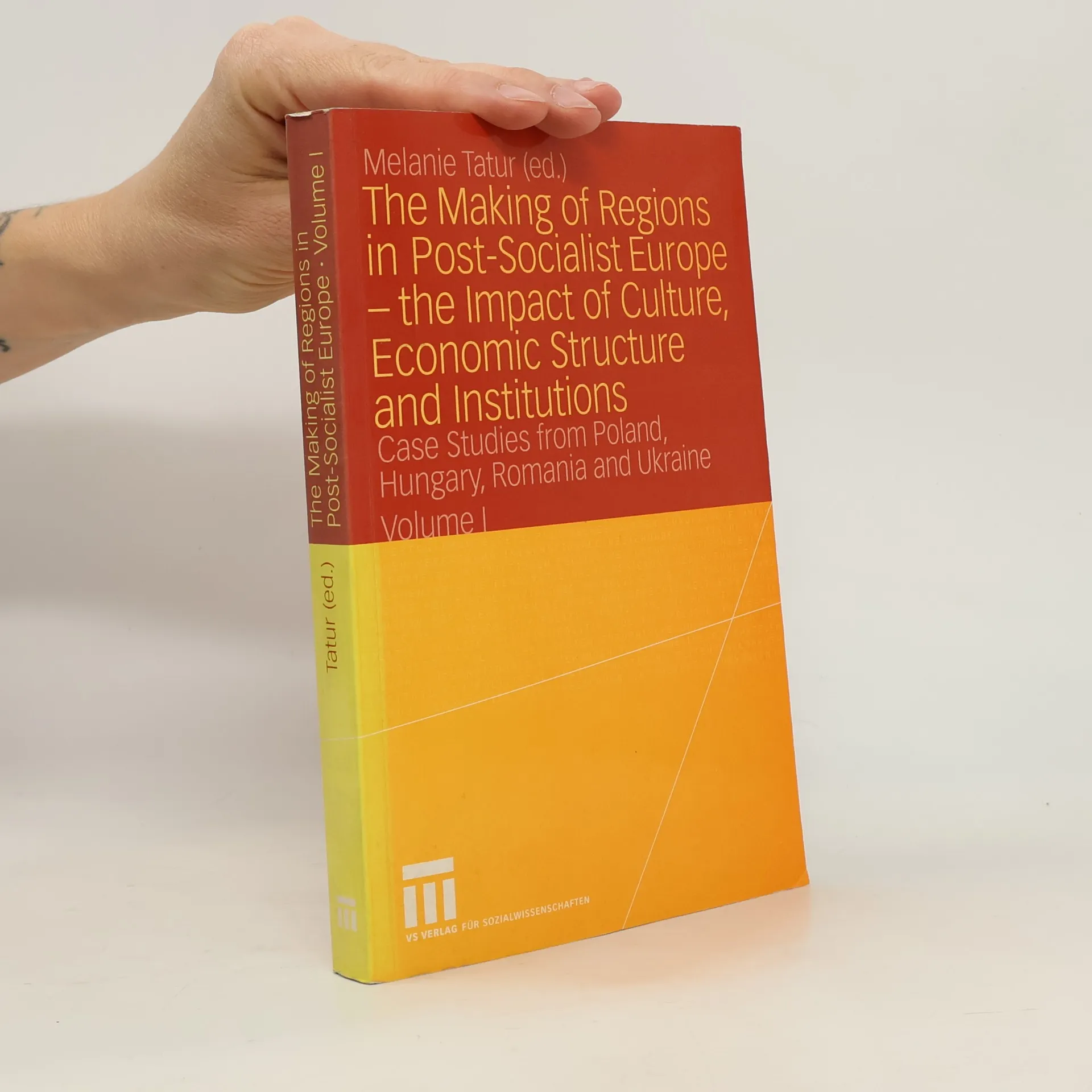

The Making of Regions in Post-Socialist Europe
The Impact of Culture, Economic Structure and Institutions: Case Studies from Poland, Hungary, Romania and Ukraine
Autoři
Parametry
- 343 stránek
- 13 hodin čtení
Více o knize
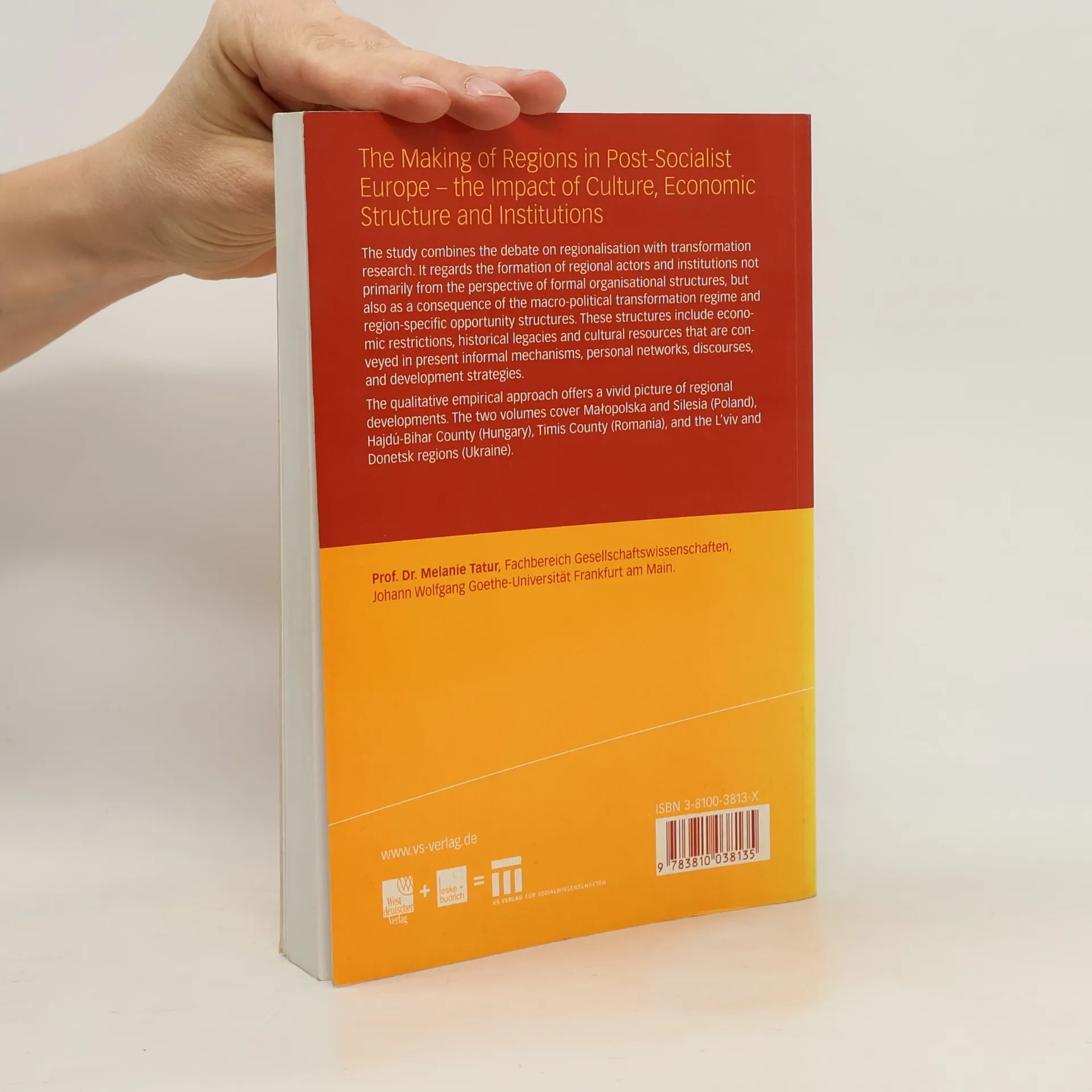
The study combines the debate on regionalisation with transformation research. It regards the formation of regional actors and institutions not primarily from the perspective of formal organisational structures, but also a consequence of the macro-political transformation regime and region-specific opportunity structures. These structures include evonomic restrictions, historical legacies and cultural resources that are conveyed in present informal mechanisms, personal networks, discourses, and development strategies.The qualitative empirical approach offers a vivid picture of regional developments. The two volumes cover Malopolska and Silesia (Poland), Hajdu-Bihar County (Hungary), Timis County (Romania), and the L'viv and Donetsk regions (Ukraine).
Nákup knihy
The Making of Regions in Post-Socialist Europe, Melanie Tatur
- Jazyk
- Rok vydání
- 2004
- Vazba
- (měkká),
- Stav knihy
- Poškozená
- Cena
- 999 Kč
Doručení
Platební metody
Nikdo zatím neohodnotil.
- Titul
- The Making of Regions in Post-Socialist Europe
- Podtitul
- The Impact of Culture, Economic Structure and Institutions: Case Studies from Poland, Hungary, Romania and Ukraine
- Autoři
- Melanie Tatur
- Vydavatel
- VS, Verl. für Sozialwiss.
- Rok vydání
- 2004
- Vazba
- měkká
- Počet stran
- 343
- ISBN10
- 381003813X
- ISBN13
- 9783810038135
- Série
- Kategorie
- Štítky
- Politika, Německo, Odborná literatura, Kultura, Identita, Proměna, Střední Evropa, Východní Evropa
- Anotace
- The study combines the debate on regionalisation with transformation research. It regards the formation of regional actors and institutions not primarily from the perspective of formal organisational structures, but also a consequence of the macro-political transformation regime and region-specific opportunity structures. These structures include evonomic restrictions, historical legacies and cultural resources that are conveyed in present informal mechanisms, personal networks, discourses, and development strategies.The qualitative empirical approach offers a vivid picture of regional developments. The two volumes cover Malopolska and Silesia (Poland), Hajdu-Bihar County (Hungary), Timis County (Romania), and the L'viv and Donetsk regions (Ukraine).