

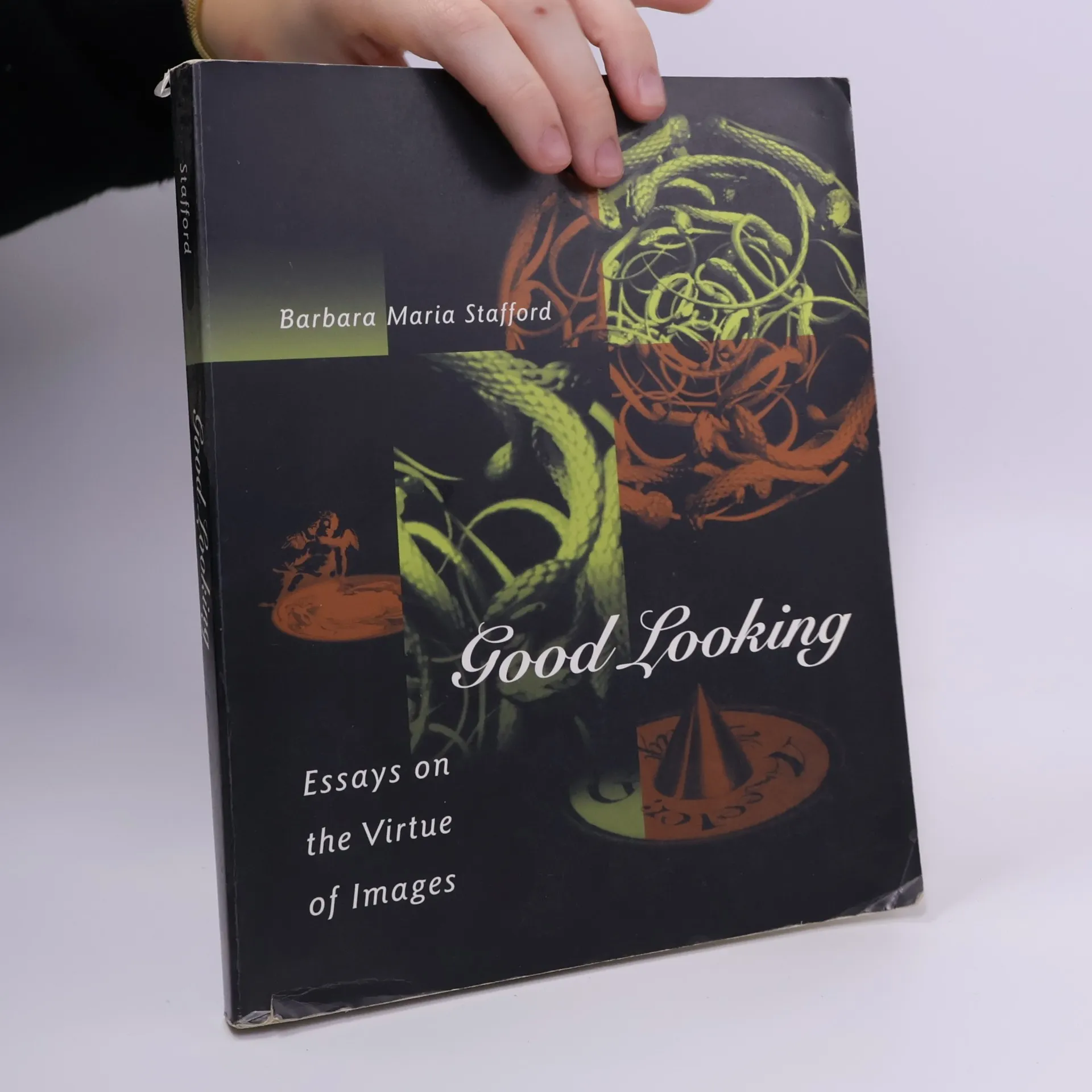
Good Looking
Essays on the Virtue of Images
Autoři
Více o knize
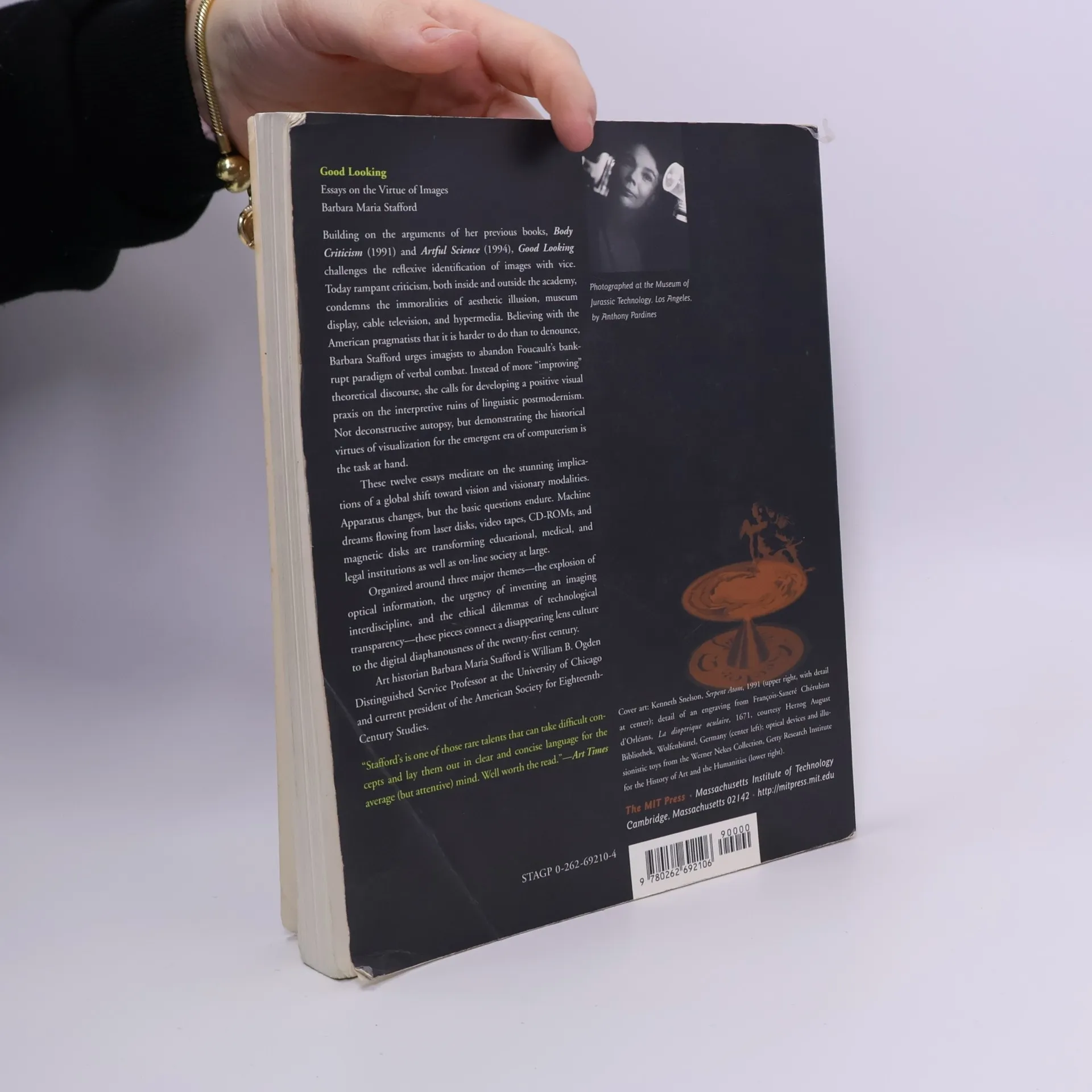
Building on the arguments of her previous books, Body Criticism (MIT Press, 1991) and Artful Science (MIT Press, 1994), Good Looking challenges the reflexive identification of images with vice. Today rampant criticism, both inside and outside the academy, condemns the immoralities of aesthetic illusion, museum display, cable television, and hypermedia. Believing with the American pragmatists that it is harder to do than to denounce, Barbara Stafford urges imagists to abandon Foucault's bankrupt paradigm of verbal combat. Instead of more "improving" theoretical discourse, she calls for developing a positive visual praxis on the interpretive ruins of linguistic postmodernism.Organized around three major themes—the explosion of optical information, the urgency of inventing an imaging interdiscipline, and the ethical dilemmas of technological transparency—these twelve essays connect a disappearing lens culture to the digital diaphanousness of the twenty-first century.
Nákup knihy
Good Looking, Barbara Maria Stafford
- Jazyk

- Rok vydání
- 1997
- Vazba
- (měkká),
- Stav knihy
- Dobrá
- Cena
- 149 Kč
Doručení
Platební metody
Nikdo zatím neohodnotil.
- Titul
- Good Looking
- Podtitul
- Essays on the Virtue of Images
- Jazyk
- anglicky
- Autoři
- Barbara Maria Stafford
- Vydavatel
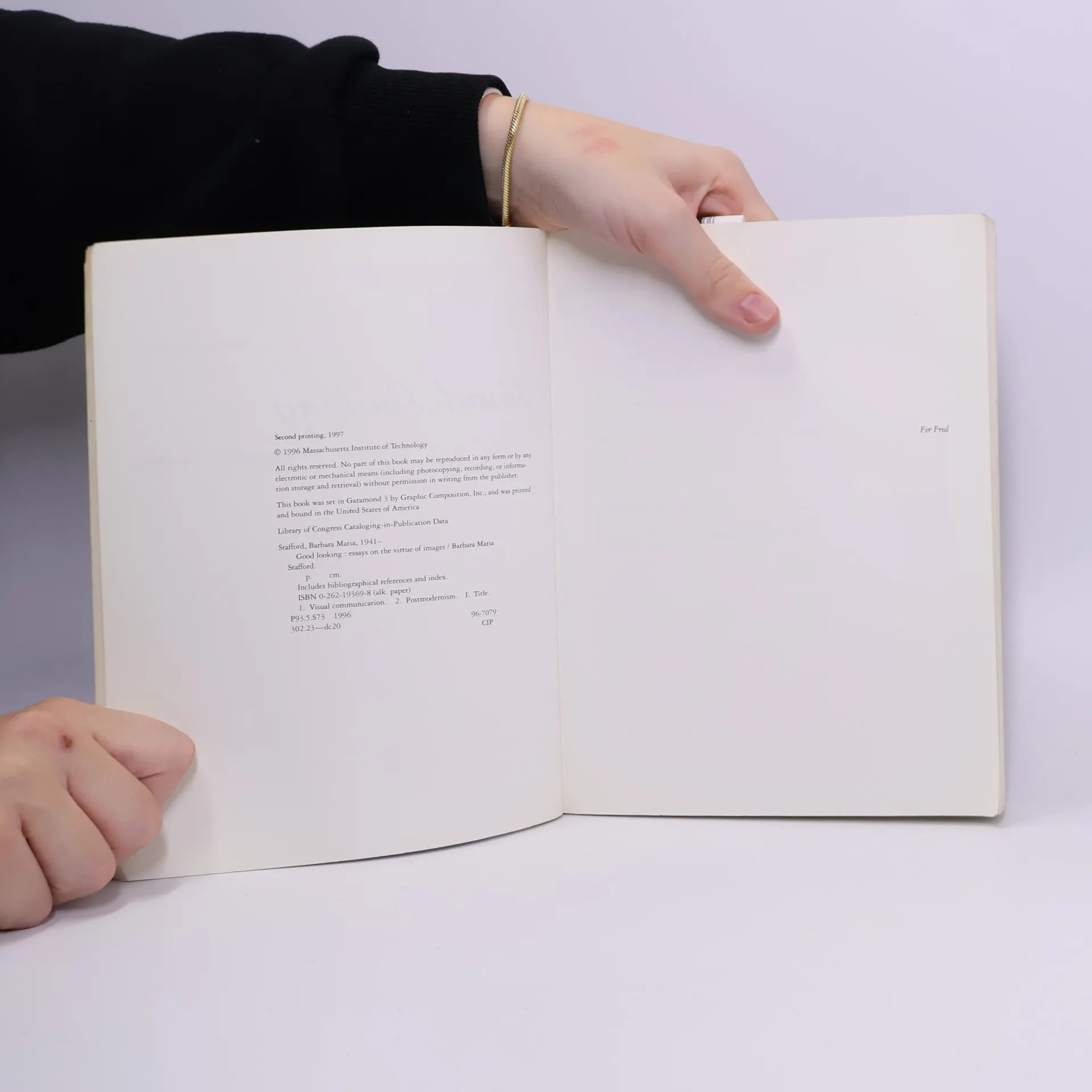
- The MIT press
- Rok vydání
- 1997
- Vazba
- měkká
- Počet stran
- 288
- ISBN10
- 0262692104
- ISBN13
- 9780262692106
- Série
- Kategorie
- Anotace
- Building on the arguments of her previous books, Body Criticism (MIT Press, 1991) and Artful Science (MIT Press, 1994), Good Looking challenges the reflexive identification of images with vice. Today rampant criticism, both inside and outside the academy, condemns the immoralities of aesthetic illusion, museum display, cable television, and hypermedia. Believing with the American pragmatists that it is harder to do than to denounce, Barbara Stafford urges imagists to abandon Foucault's bankrupt paradigm of verbal combat. Instead of more "improving" theoretical discourse, she calls for developing a positive visual praxis on the interpretive ruins of linguistic postmodernism.Organized around three major themes—the explosion of optical information, the urgency of inventing an imaging interdiscipline, and the ethical dilemmas of technological transparency—these twelve essays connect a disappearing lens culture to the digital diaphanousness of the twenty-first century.