

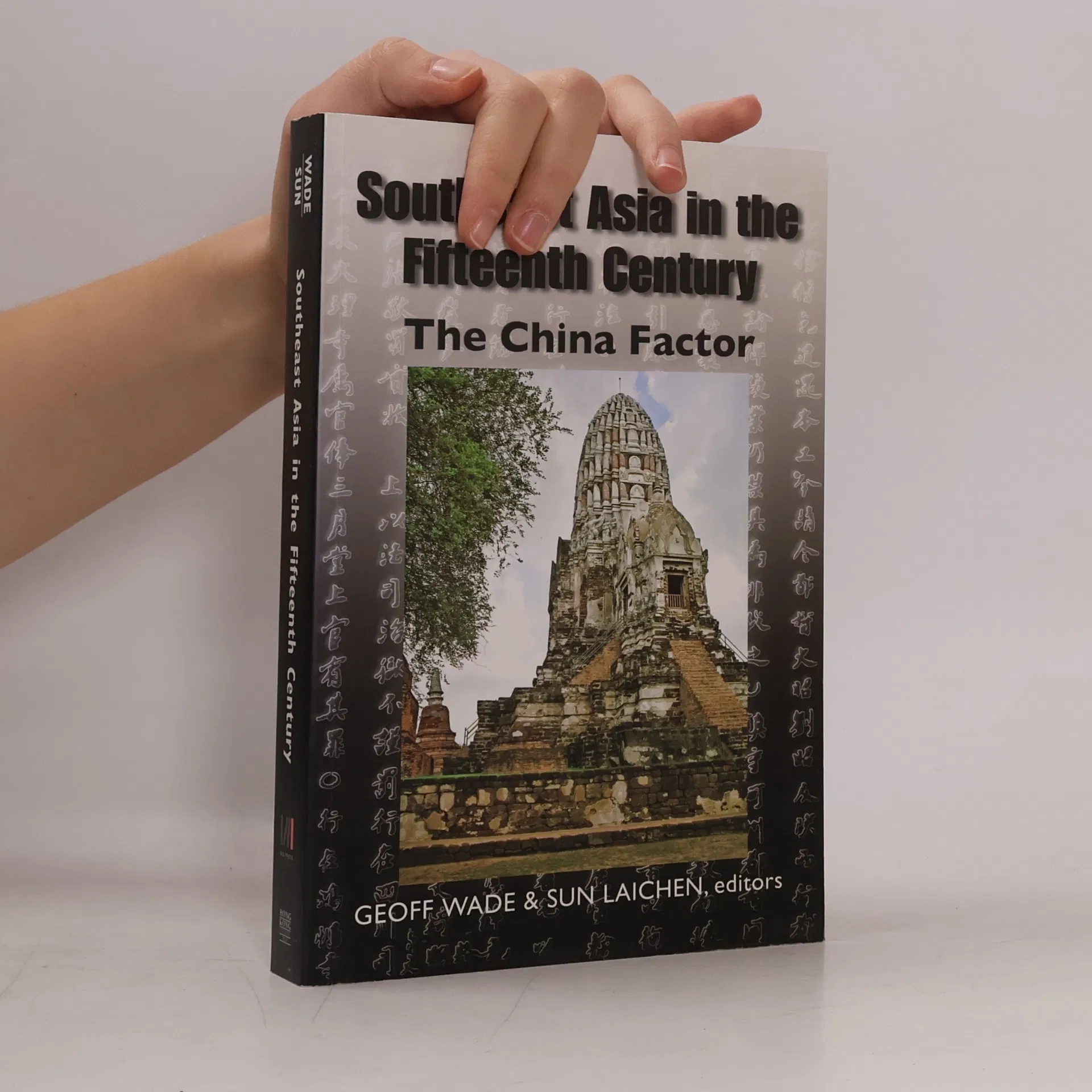

Southeast Asia in the Fifteenth Century
The China Factor
Autoři
Více o knize
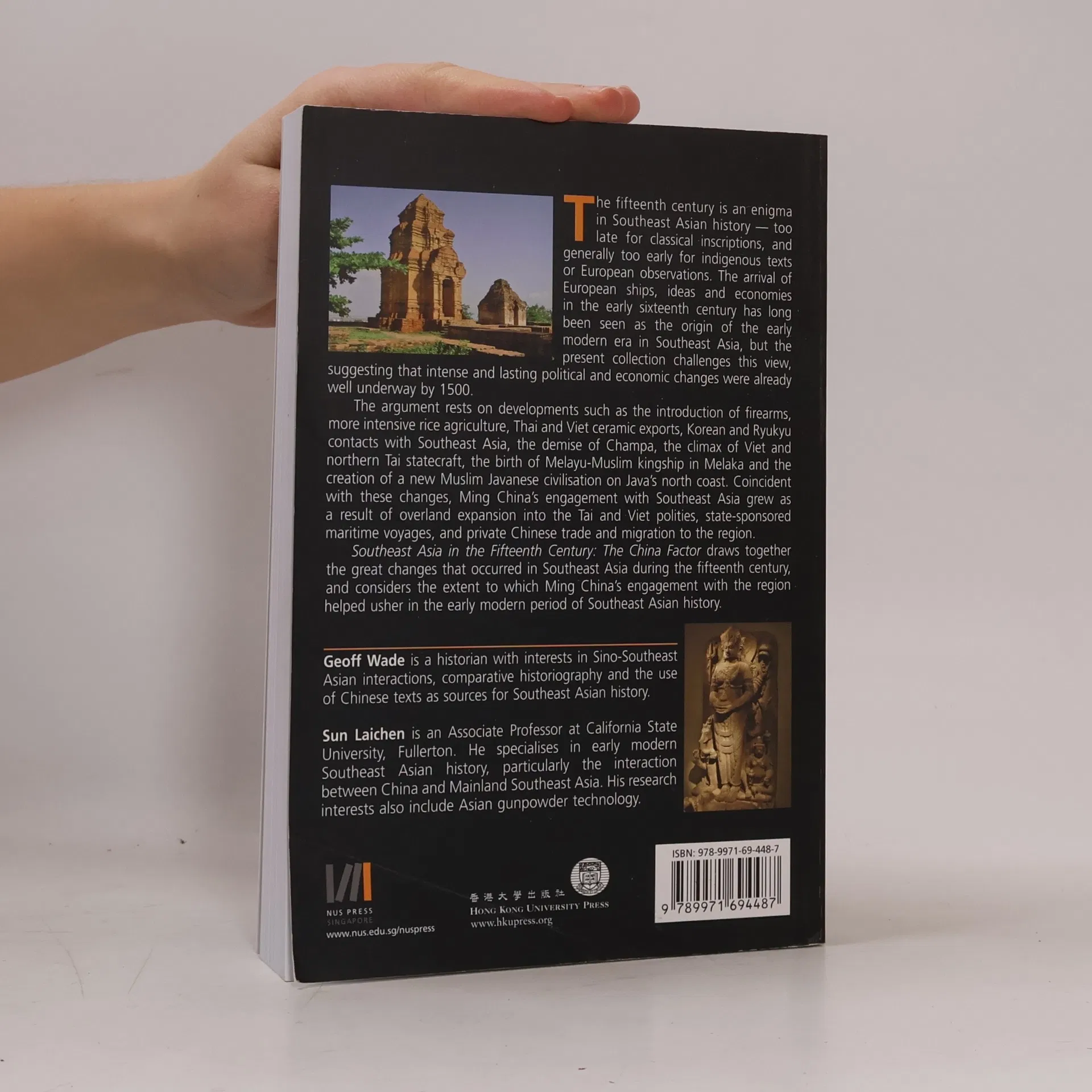
The fifteenth century is an enigma in Southeast Asian history - too late for classical inscriptions, and generally too early for indigenous texts or European observations. The arrival of European ships, ideas and economies in the early sixteenth century has long been seen as the origin of the early modern era in Southeast Asia, but the present collection challenges this view, suggesting that intense and lasting political and economic changes were already well underway by 1500. The argument rests on developments such as the introduction of firearms, more intensive rice agriculture, Thai and Viet ceramic exports, Korean and Ryukyu contacts with Southeast Asia, the demise of Champa, the climax of Viet and northern Tai statecraft, the birth of the Melayu-Muslim kingship in Melaka and the creation of a new Muslim Javanese civilization on Java's north coast. Coincident with these changes, Ming China's engagement with Southeast Asia grew as a result of overland expansion into the Tai and Viet polities, state-sponsored maritime voyages, and private Chinese trade and migration to the region. Southeast Asia in the Fifteenth Century: The China Factor draws together the great changes that occurred in Southeast Asia during the fifteenth century, and considers the extent to which Ming China's engagement with the region helped usher in the early modern period of Southeast Asian history.
Nákup knihy
Southeast Asia in the Fifteenth Century, Geoff Wade, Laichen Sun
- Jazyk

- Rok vydání
- 2010
- Vazba
- (měkká),
- Stav knihy
- Dobrá
- Cena
- 739 Kč
Doručení
Platební metody
Nikdo zatím neohodnotil.
- Titul
- Southeast Asia in the Fifteenth Century
- Podtitul
- The China Factor
- Jazyk
- anglicky
- Autoři
- Geoff Wade, Laichen Sun
- Vydavatel
- Hong Kong University Press
- Rok vydání
- 2010
- Vazba
- měkká
- Počet stran
- 508
- ISBN10
- 9971694484
- ISBN13
- 9789971694487
- Série
- Štítky
- Historické téma, Asie, Čína, Jihovýchodní Asie
- Anotace
- The fifteenth century is an enigma in Southeast Asian history - too late for classical inscriptions, and generally too early for indigenous texts or European observations. The arrival of European ships, ideas and economies in the early sixteenth century has long been seen as the origin of the early modern era in Southeast Asia, but the present collection challenges this view, suggesting that intense and lasting political and economic changes were already well underway by 1500. The argument rests on developments such as the introduction of firearms, more intensive rice agriculture, Thai and Viet ceramic exports, Korean and Ryukyu contacts with Southeast Asia, the demise of Champa, the climax of Viet and northern Tai statecraft, the birth of the Melayu-Muslim kingship in Melaka and the creation of a new Muslim Javanese civilization on Java's north coast. Coincident with these changes, Ming China's engagement with Southeast Asia grew as a result of overland expansion into the Tai and Viet polities, state-sponsored maritime voyages, and private Chinese trade and migration to the region. Southeast Asia in the Fifteenth Century: The China Factor draws together the great changes that occurred in Southeast Asia during the fifteenth century, and considers the extent to which Ming China's engagement with the region helped usher in the early modern period of Southeast Asian history.