

Více o knize
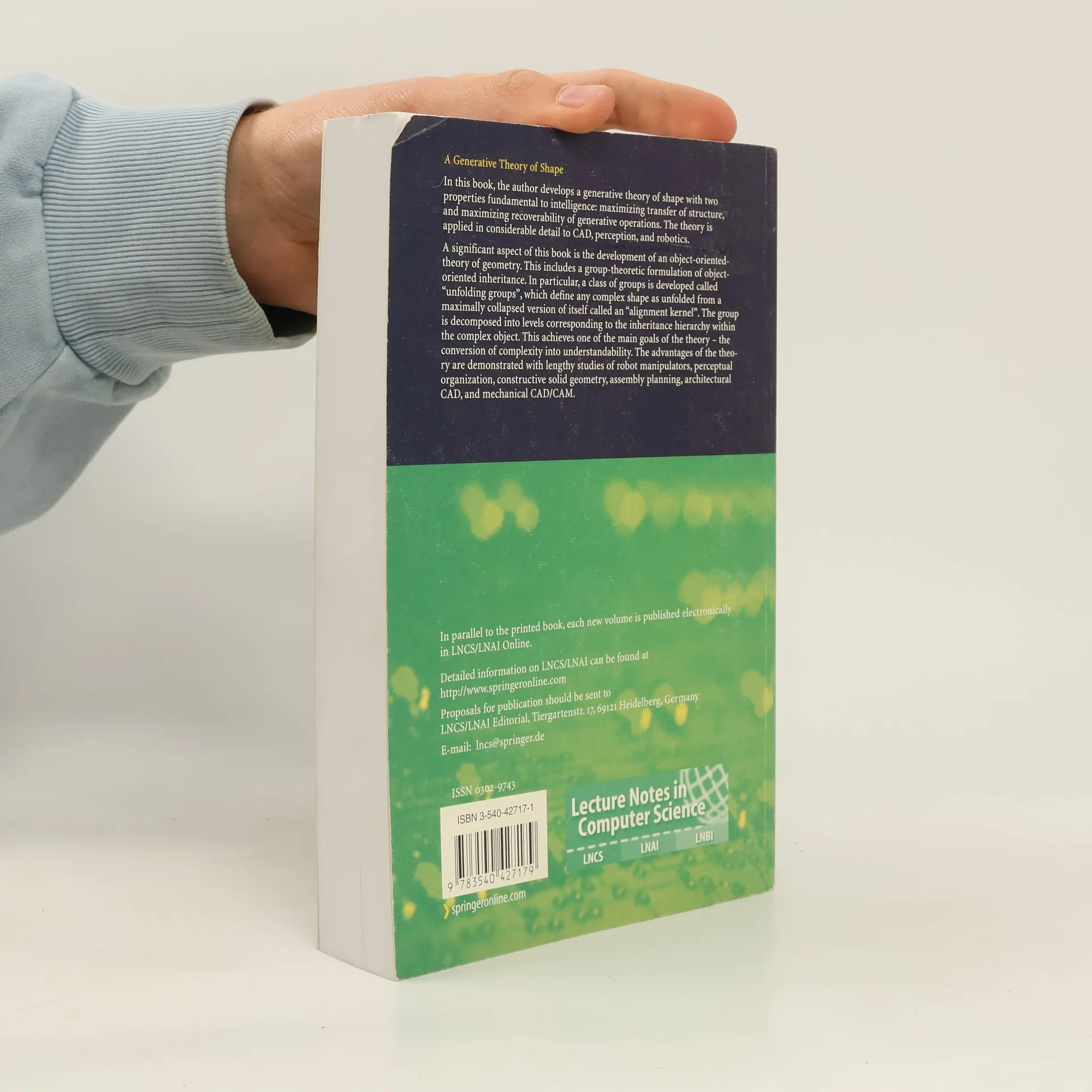
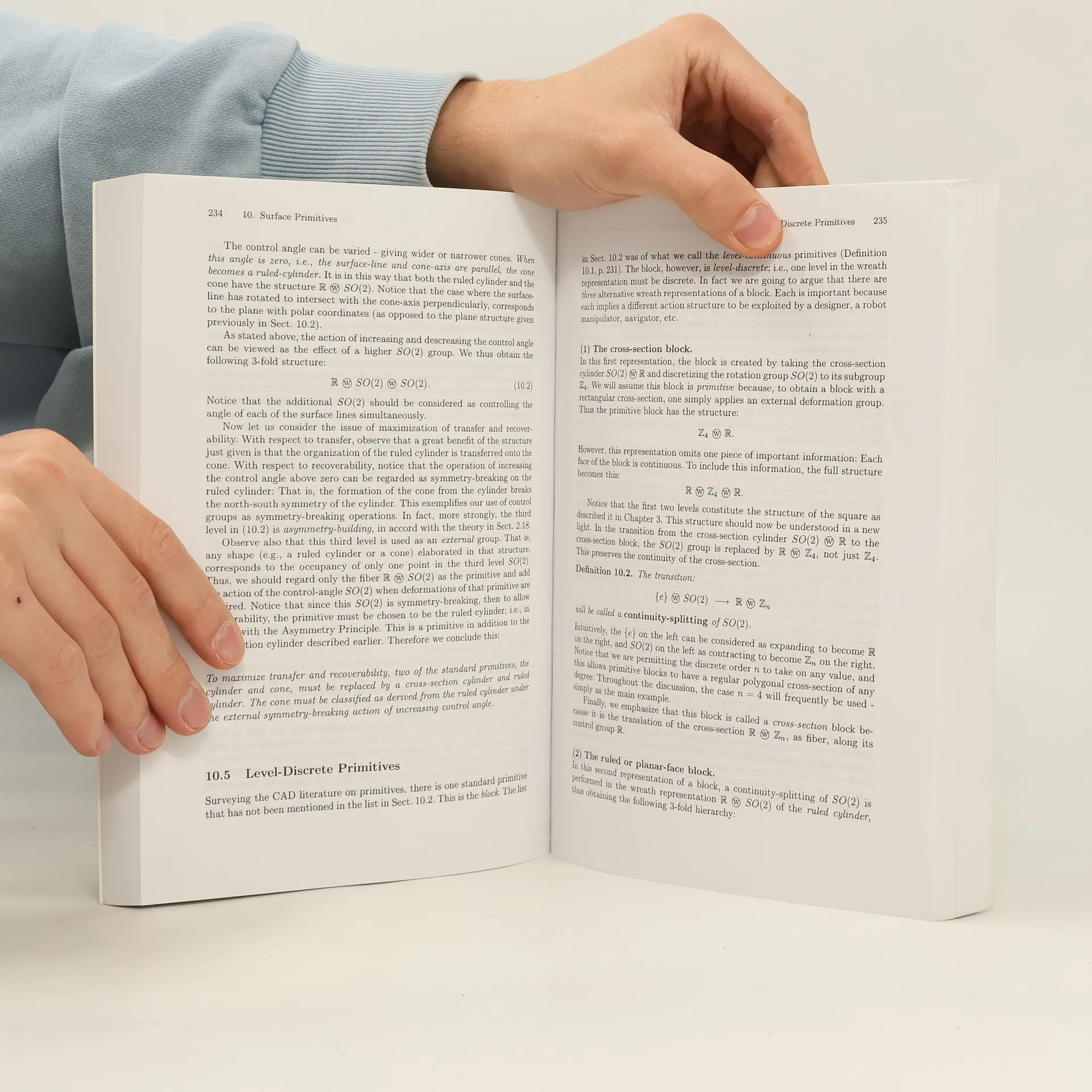
This book aims to develop a generative theory of shape grounded in two fundamental properties of intelligence: (1) maximization of transfer, where new structures are described as transfers of existing ones, and (2) maximization of recoverability, allowing for maximal inferentiability from data sets. We will demonstrate that if generativity meets these criteria, it possesses a robust mathematical structure and significant applicability in computational fields. The focus on intelligence is crucial for generating complex shapes, as many existing theories render this process unintelligible. Our approach seeks to transform complexity into understandability, anchored in the principles of maximization of transfer and recoverability. We will present a mathematical theory of understandability, formulating these principles group-theoretically. Specifically, maximization of transfer will be expressed through wreath products, which involve an upper control group transferring a lower fiber group onto copies of itself. Meanwhile, maximization of recoverability is achieved when the control group exhibits symmetry-breaking concerning the fiber group.
Nákup knihy
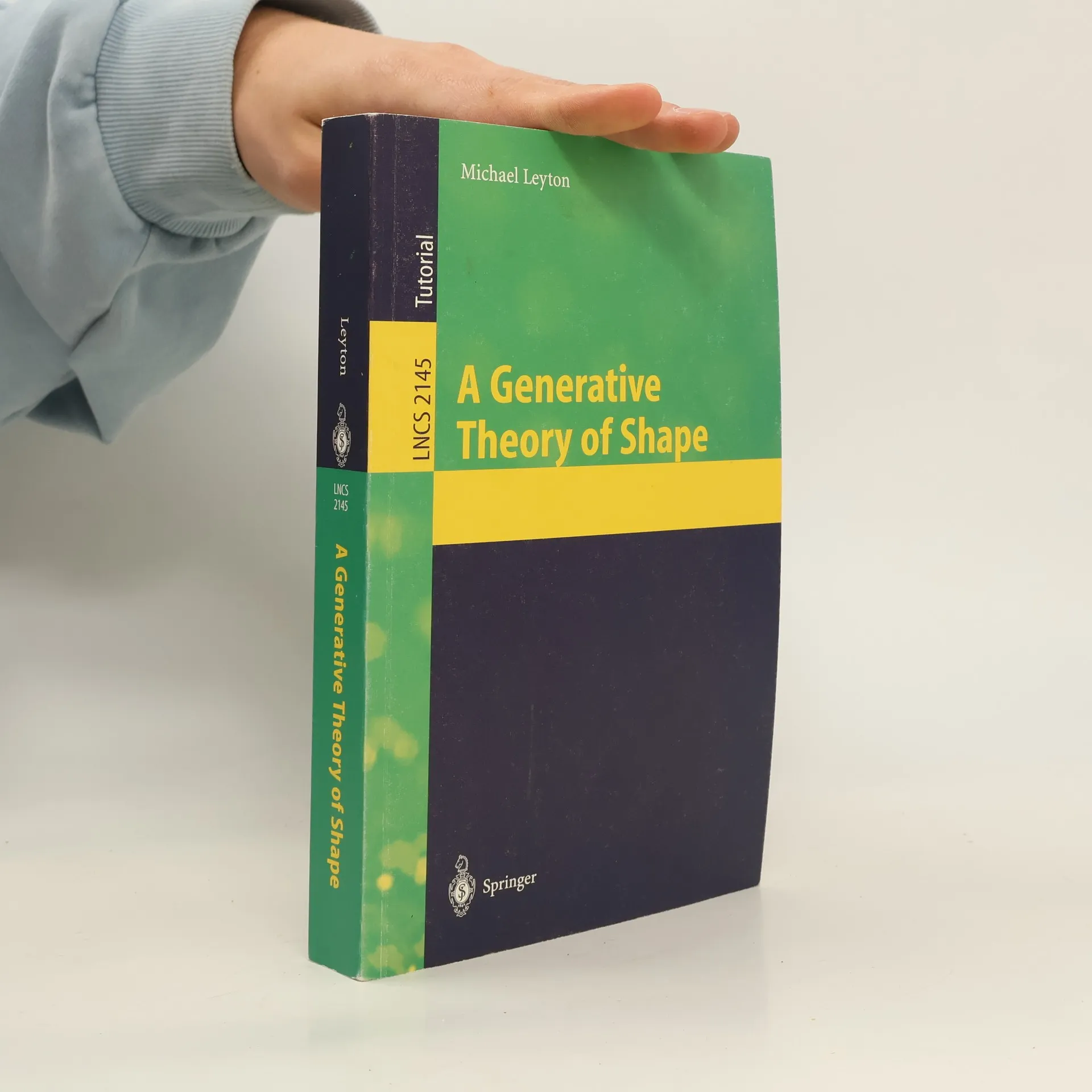
A generative theory of shape, Michael Leyton
- Jazyk

- Rok vydání
- 2001
- Vazba
- (měkká)
Doručení
Platební metody
Tady nám chybí tvá recenze.
- Titul
- A generative theory of shape
- Jazyk
- anglicky
- Autoři
- Michael Leyton
- Vydavatel
- Springer
- Rok vydání
- 2001
- Vazba
- měkká
- Počet stran
- 570
- ISBN10
- 3540427171
- ISBN13
- 9783540427179
- Série
- Štítky
- Hodnocení
- 4 z 5
- Anotace
- This book aims to develop a generative theory of shape grounded in two fundamental properties of intelligence: (1) maximization of transfer, where new structures are described as transfers of existing ones, and (2) maximization of recoverability, allowing for maximal inferentiability from data sets. We will demonstrate that if generativity meets these criteria, it possesses a robust mathematical structure and significant applicability in computational fields. The focus on intelligence is crucial for generating complex shapes, as many existing theories render this process unintelligible. Our approach seeks to transform complexity into understandability, anchored in the principles of maximization of transfer and recoverability. We will present a mathematical theory of understandability, formulating these principles group-theoretically. Specifically, maximization of transfer will be expressed through wreath products, which involve an upper control group transferring a lower fiber group onto copies of itself. Meanwhile, maximization of recoverability is achieved when the control group exhibits symmetry-breaking concerning the fiber group.