

Více o knize
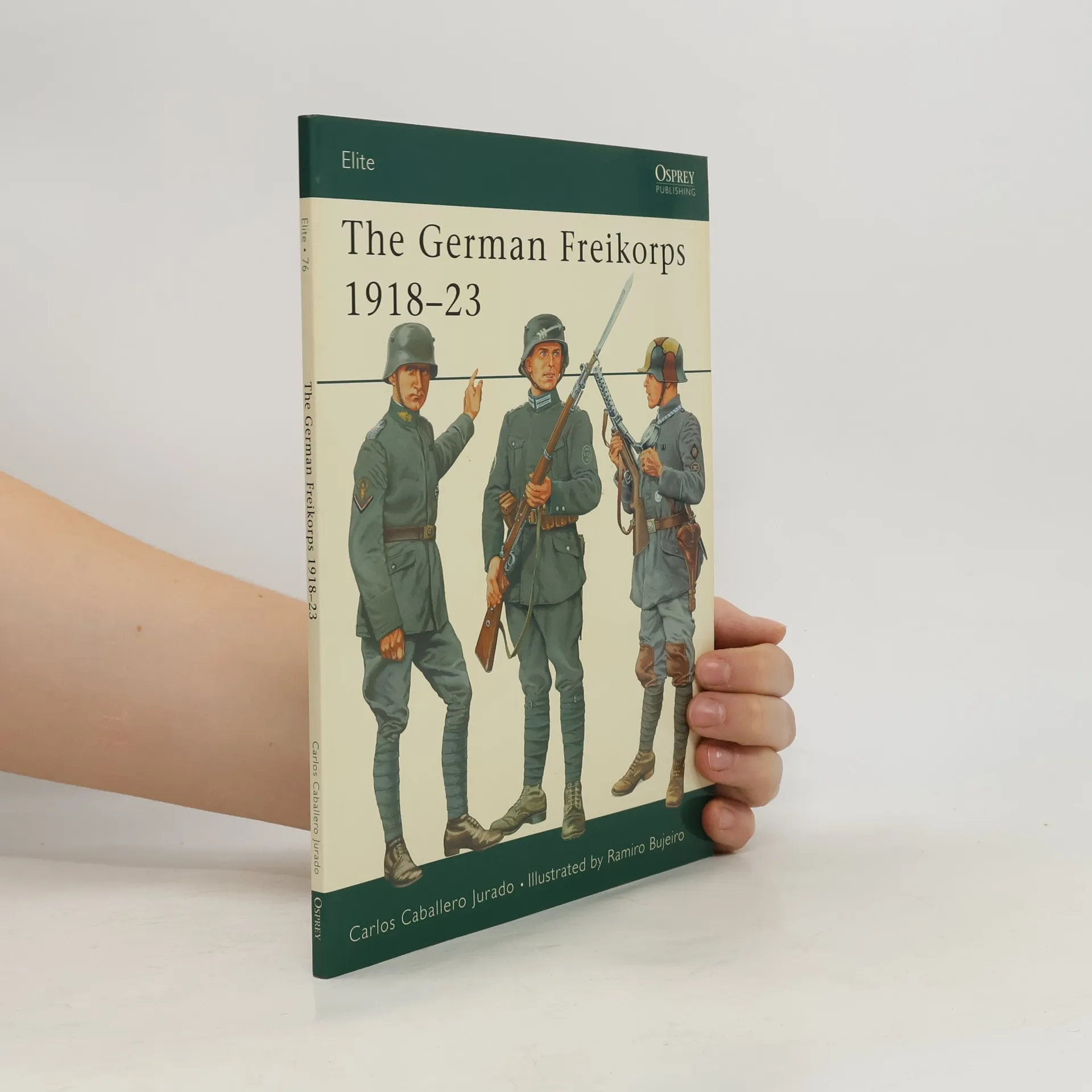
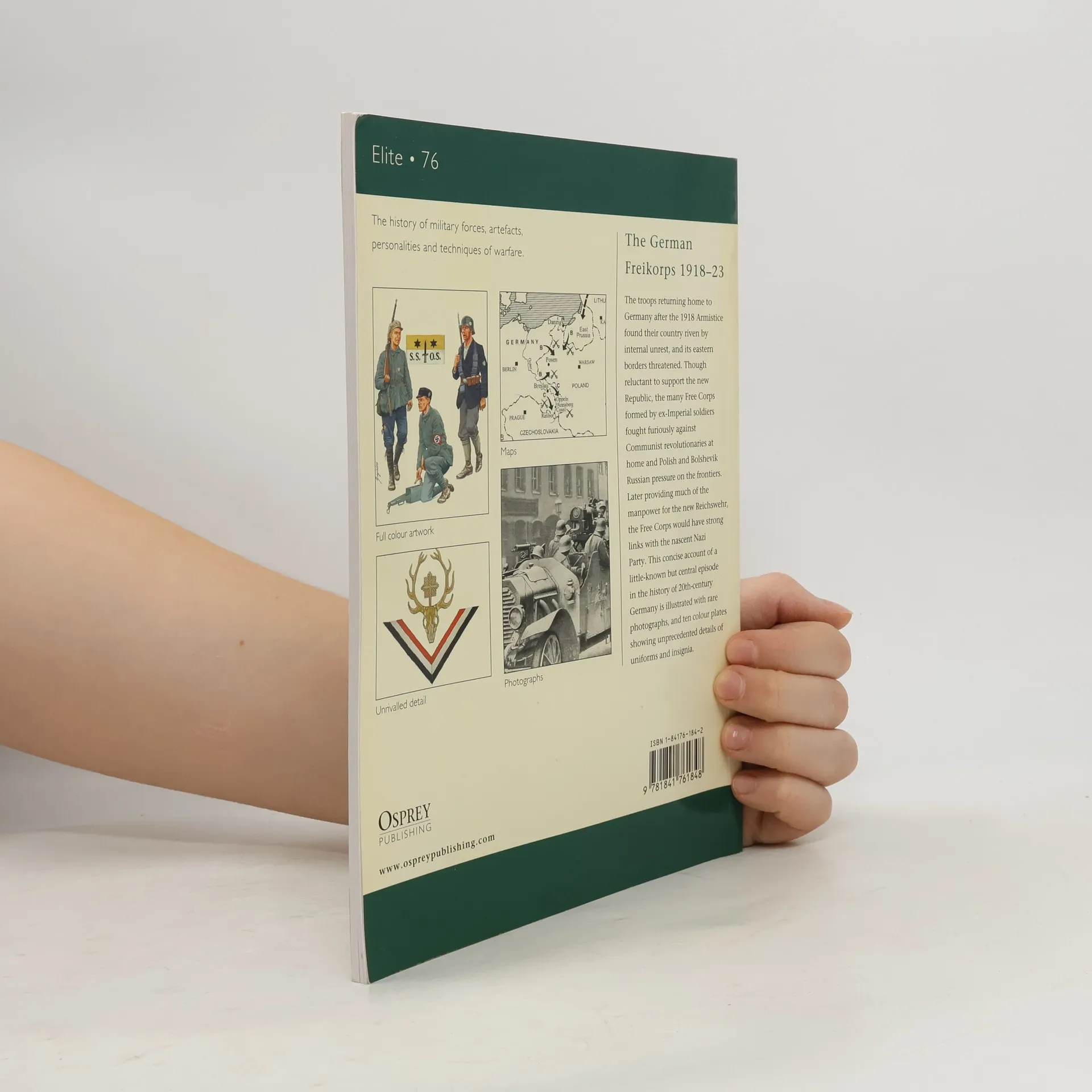
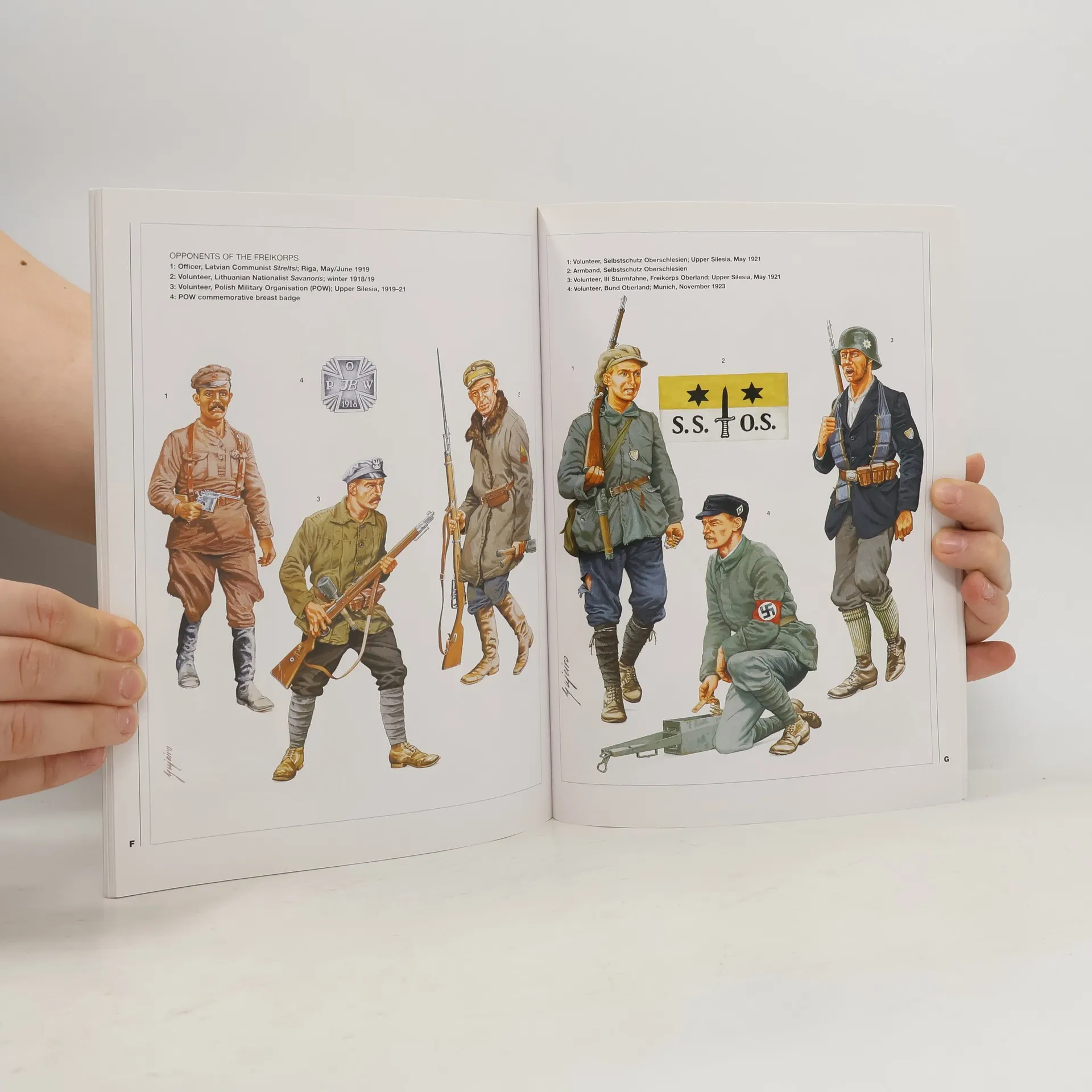
Osprey's examination of German troops in the post-World War I (1914-1918) period. The troops returning home to Germany after the 1918 Armistice found their country riven by internal unrest, and its eastern borders threatened. Though reluctant to support the new Republic, the many Free Corps formed by ex-Imperial soldiers fought furiously against Communist revolutionaries at home and Polish and Bolshevik Russian pressure on the frontiers. Later providing much of the manpower for the new Reichswehr, the Free Corps would have strong links with the nascent Nazi Party. This concise account of a little-known but central episode in the history of 20th century Germany is illustrated with rare photographs, and ten colour plates showing unprecedented details of uniforms and insignia.
Nákup knihy
The German Freikorps, Carlos Caballero Jurado
- Jazyk

- Rok vydání
- 2001
- Vazba
- (měkká)
Doručení
Platební metody
Tady nám chybí tvá recenze.
- Titul
- The German Freikorps
- Jazyk
- anglicky
- Autoři
- Carlos Caballero Jurado
- Vydavatel
- Osprey Publishing
- Rok vydání
- 2001
- Vazba
- měkká
- Počet stran
- 64
- ISBN10
- 1841761842
- ISBN13
- 9781841761848
- Série
- Štítky
- Historické téma
- Hodnocení
- 3,6 z 5
- Anotace
- Osprey's examination of German troops in the post-World War I (1914-1918) period. The troops returning home to Germany after the 1918 Armistice found their country riven by internal unrest, and its eastern borders threatened. Though reluctant to support the new Republic, the many Free Corps formed by ex-Imperial soldiers fought furiously against Communist revolutionaries at home and Polish and Bolshevik Russian pressure on the frontiers. Later providing much of the manpower for the new Reichswehr, the Free Corps would have strong links with the nascent Nazi Party. This concise account of a little-known but central episode in the history of 20th century Germany is illustrated with rare photographs, and ten colour plates showing unprecedented details of uniforms and insignia.