


Více o knize
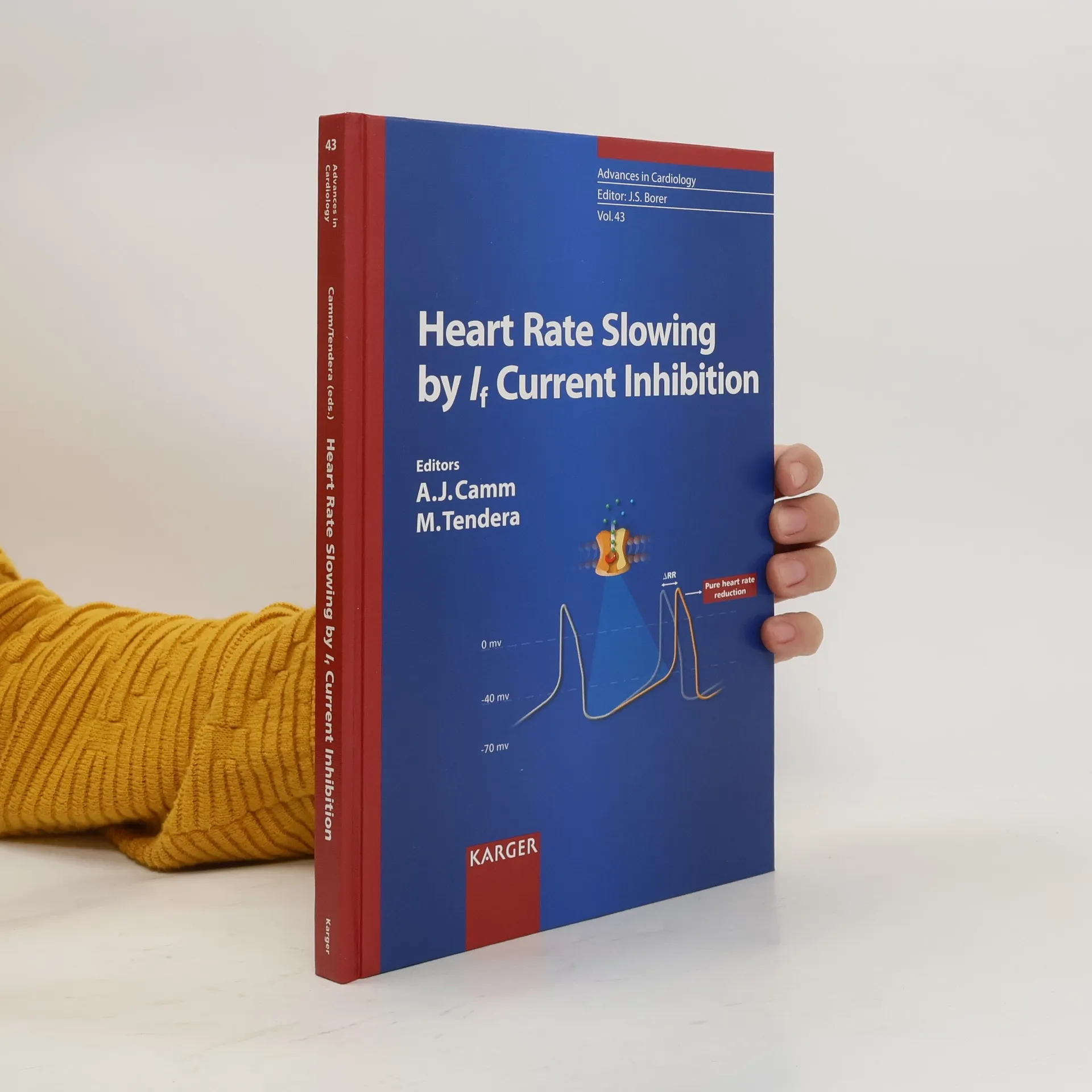
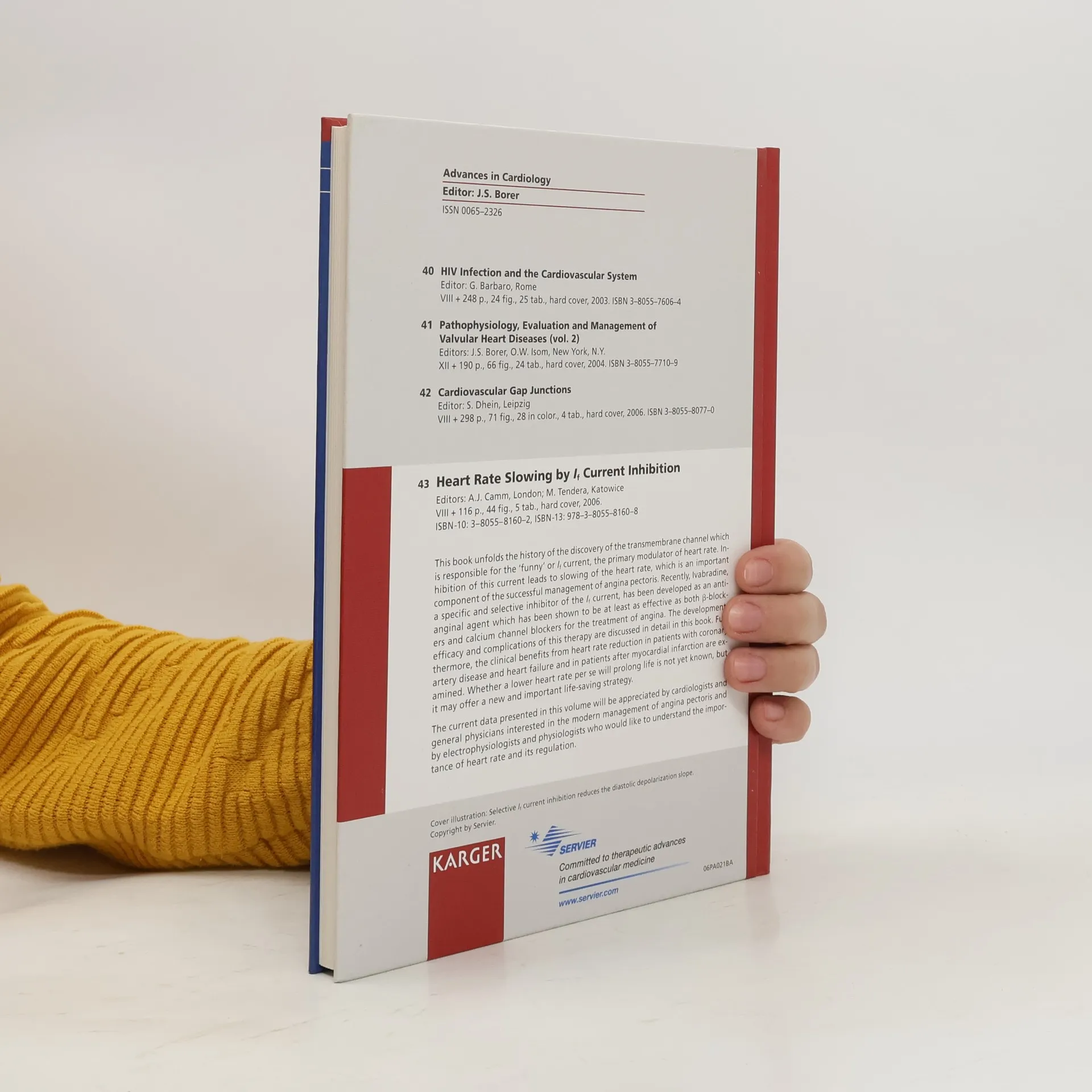
This book unfolds the history of the discovery of the transmembrane channel which is responsible for the ‘funny’ or If current, the primary modulator of heart rate. Inhibition of this current leads to slowing of the heart rate, which is an important component of the successful management of angina pectoris. Recently, Ivabradine, a specific and selective inhibitor of the If current, has been developed as an antianginal agent which has been shown to be at least as effective as both beta-blockers and calcium channel blockers for the treatment of angina. The development, efficacy and complications of this therapy are discussed in detail in this book. Furthermore, the clinical benefits from heart rate reduction in patients with coronary artery disease and heart failure and in patients after myocardial infarction are examined. Whether a lower heart rate per se will prolong life is not yet known, but it may offer a new and important life-saving strategy. The current data presented in this volume will be appreciated by cardiologists and general physicians interested in the modern management of angina pectoris and by electrophysiologists and physiologists who would like to understand the importance of heart rate and its regulation.
Nákup knihy
Heart Rate Slowing by If Current Inhibition, Alan John Camm
- Jazyk

- Rok vydání
- 2006
- Vazba
- (pevná)
Nikdo zatím neohodnotil.
- Titul
- Heart Rate Slowing by If Current Inhibition
- Jazyk
- anglicky
- Autoři
- Alan John Camm
- Vydavatel
- Karger
- Rok vydání
- 2006
- Vazba
- pevná
- Počet stran
- 116
- ISBN10
- 3805581602
- ISBN13
- 9783805581608
- Série
- Kategorie
- Štítky
- Zdraví & Lékařství
- Anotace
- This book unfolds the history of the discovery of the transmembrane channel which is responsible for the ‘funny’ or If current, the primary modulator of heart rate. Inhibition of this current leads to slowing of the heart rate, which is an important component of the successful management of angina pectoris. Recently, Ivabradine, a specific and selective inhibitor of the If current, has been developed as an antianginal agent which has been shown to be at least as effective as both beta-blockers and calcium channel blockers for the treatment of angina. The development, efficacy and complications of this therapy are discussed in detail in this book. Furthermore, the clinical benefits from heart rate reduction in patients with coronary artery disease and heart failure and in patients after myocardial infarction are examined. Whether a lower heart rate per se will prolong life is not yet known, but it may offer a new and important life-saving strategy. The current data presented in this volume will be appreciated by cardiologists and general physicians interested in the modern management of angina pectoris and by electrophysiologists and physiologists who would like to understand the importance of heart rate and its regulation.