

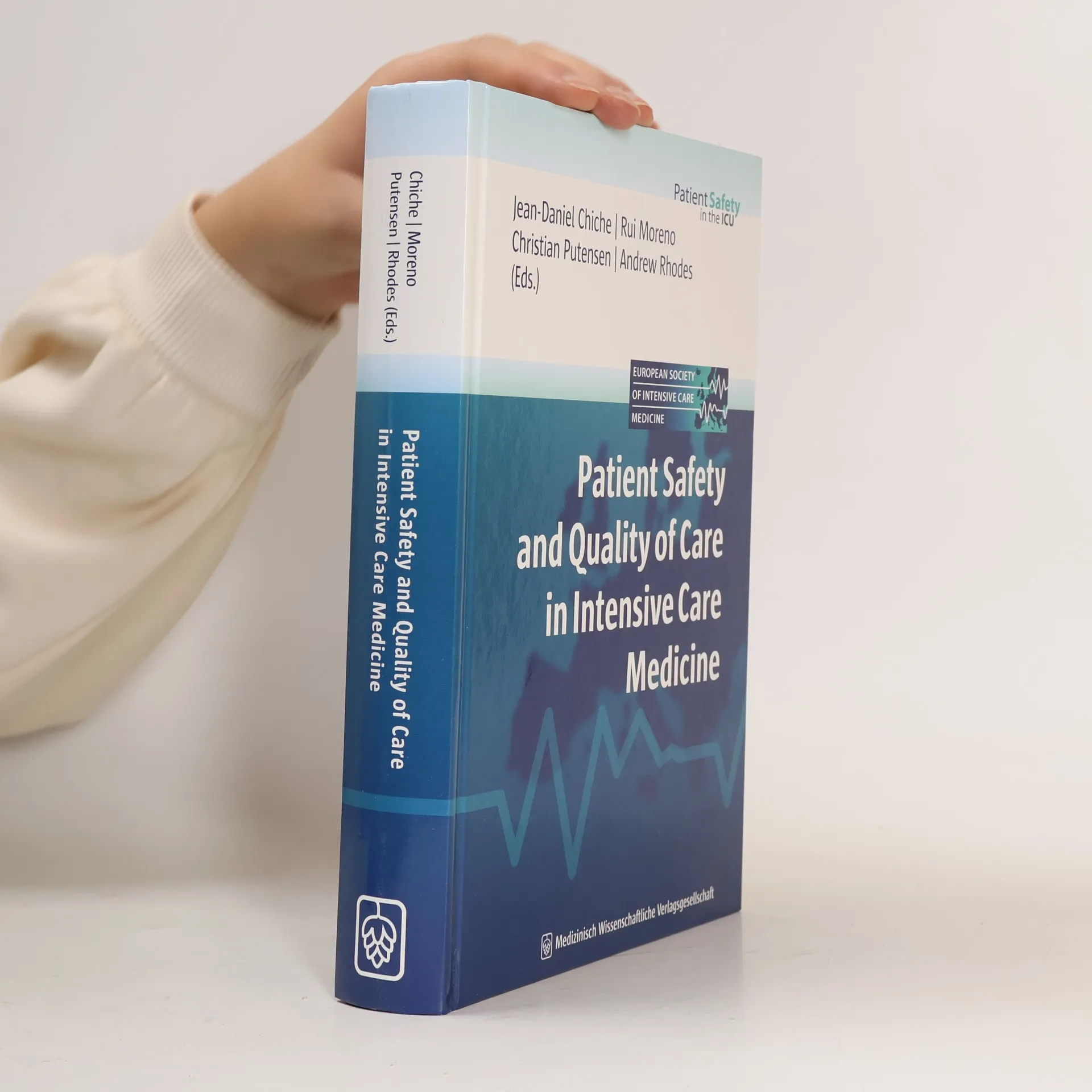

Patient Safety and Quality of Care in Intensive Care Medicine
Více o knize
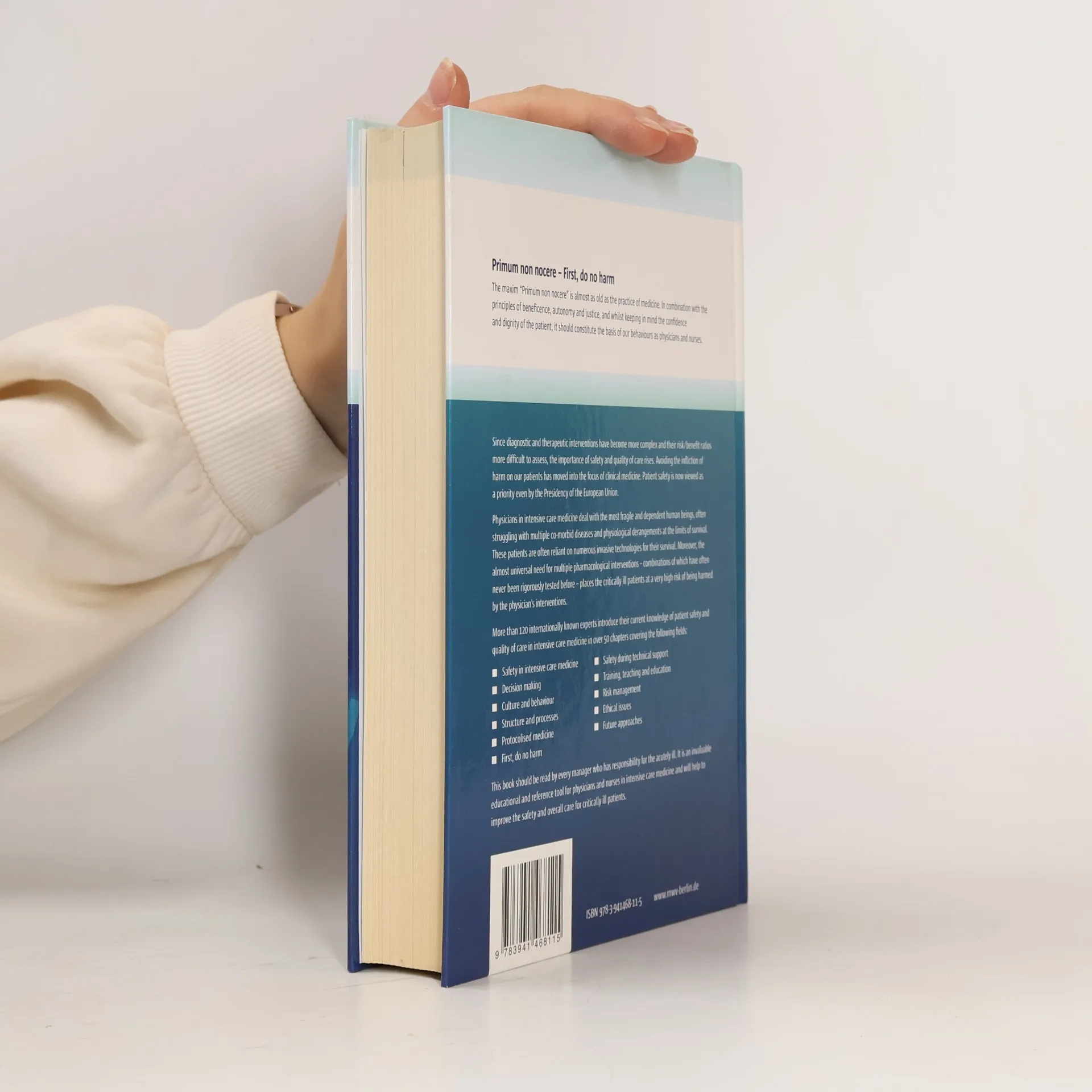
The maxim “Primum non nocere” has long been a cornerstone of medical practice, emphasizing the importance of not causing harm. Alongside beneficence, autonomy, and justice, it should guide the actions of healthcare professionals while respecting patient dignity. As diagnostic and therapeutic interventions grow more complex, the assessment of risk versus benefit becomes increasingly challenging, highlighting the need for safety and quality in care. Patient safety has emerged as a priority, recognized even at the highest levels of governance, such as the Presidency of the European Union. In intensive care, physicians face the challenge of treating vulnerable patients with multiple co-morbidities, often reliant on invasive technologies and untested drug combinations, which heightens the risk of harm. Over 120 internationally recognized experts contribute to this comprehensive resource, covering essential topics such as safety in intensive care, decision-making, culture, protocolized medicine, risk management, and ethical considerations. This book serves as an essential educational and reference tool for managers, physicians, and nurses in intensive care, aiming to enhance the safety and quality of care for critically ill patients.
Nákup knihy
Patient Safety and Quality of Care in Intensive Care Medicine, Christian Putensen, Jean-Daniel Chiche, Rui Moreno, Andrew Rhodes
- Jazyk

- Rok vydání
- 2009
- Vazba
- (pevná),
- Stav knihy
- Dobrá
- Cena
- 59 Kč
Doručení
Platební metody
Nikdo zatím neohodnotil.
- Titul
- Patient Safety and Quality of Care in Intensive Care Medicine
- Jazyk
- anglicky
- Vydavatel
- Med. Wiss. Verl.-Ges.
- Rok vydání
- 2009
- Vazba
- pevná
- Počet stran
- 572
- ISBN10
- 3941468111
- ISBN13
- 9783941468115
- Série
- Kategorie
- Štítky
- Zdraví & Lékařství
- Anotace
- The maxim “Primum non nocere” has long been a cornerstone of medical practice, emphasizing the importance of not causing harm. Alongside beneficence, autonomy, and justice, it should guide the actions of healthcare professionals while respecting patient dignity. As diagnostic and therapeutic interventions grow more complex, the assessment of risk versus benefit becomes increasingly challenging, highlighting the need for safety and quality in care. Patient safety has emerged as a priority, recognized even at the highest levels of governance, such as the Presidency of the European Union. In intensive care, physicians face the challenge of treating vulnerable patients with multiple co-morbidities, often reliant on invasive technologies and untested drug combinations, which heightens the risk of harm. Over 120 internationally recognized experts contribute to this comprehensive resource, covering essential topics such as safety in intensive care, decision-making, culture, protocolized medicine, risk management, and ethical considerations. This book serves as an essential educational and reference tool for managers, physicians, and nurses in intensive care, aiming to enhance the safety and quality of care for critically ill patients.