

Parametry
Více o knize
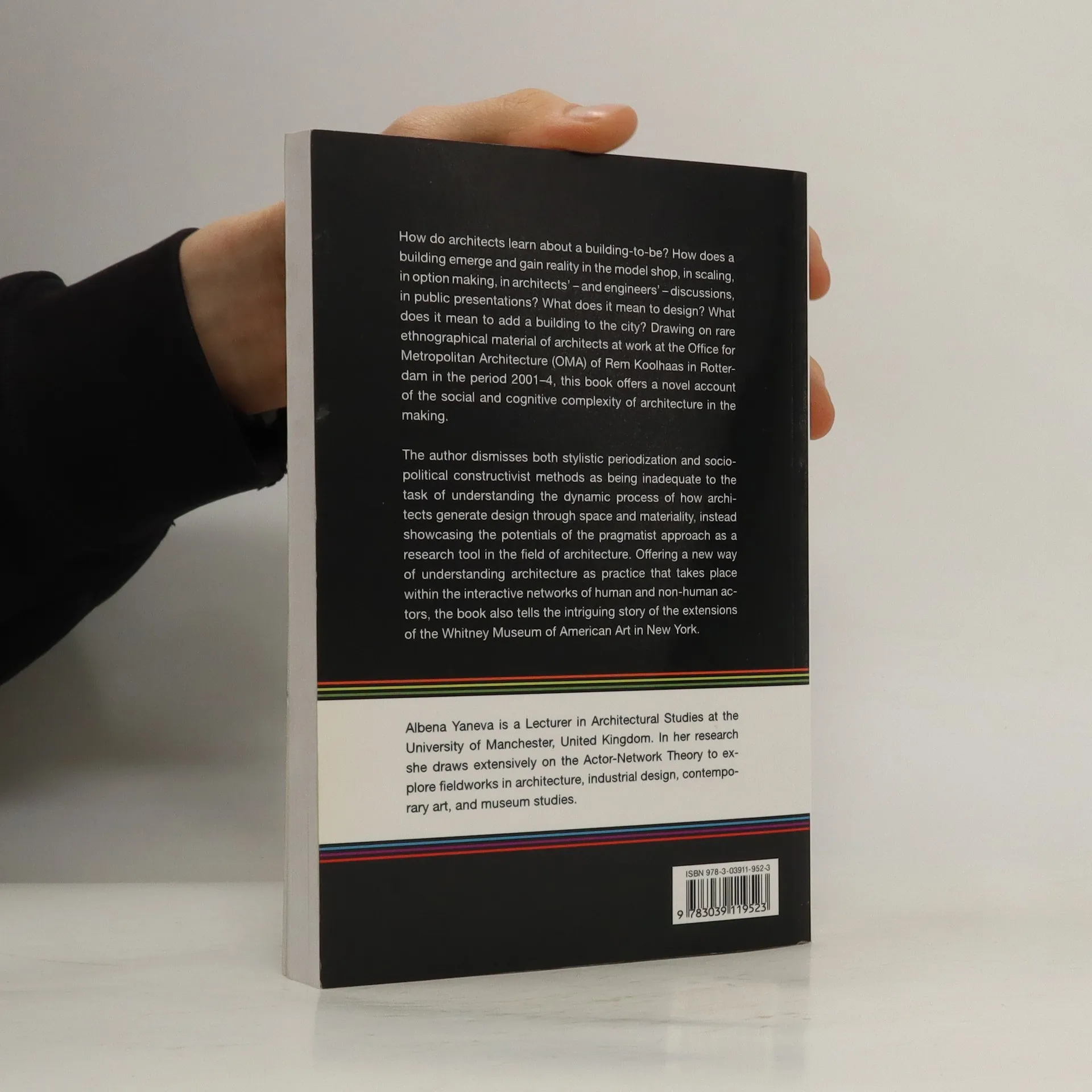
How do architects learn about a building-to-be? How does a building emerge and gain reality in the model shop, in scaling, in option making, in architects’ – and engineers’ – discussions, in public presentations? What does it mean to design? What does it mean to add a building to the city? Drawing on rare ethnographical material of architects at work at the Office for Metropolitan Architecture (OMA) of Rem Koolhaas in Rotterdam in the period 2001-4, this book offers a novel account of the social and cognitive complexity of architecture in the making. The author dismisses both stylistic periodization and socio-political constructivist methods as being inadequate to the task of understanding the dynamic process of how architects generate design through space and materiality, instead showcasing the potentials of the pragmatist approach as a research tool in the field of architecture. Offering a new way of understanding architecture as practice that takes place within the interactive networks of human and non-human actors, the book also tells the intriguing story of the extensions of the Whitney Museum of American Art in New York.
Nákup knihy
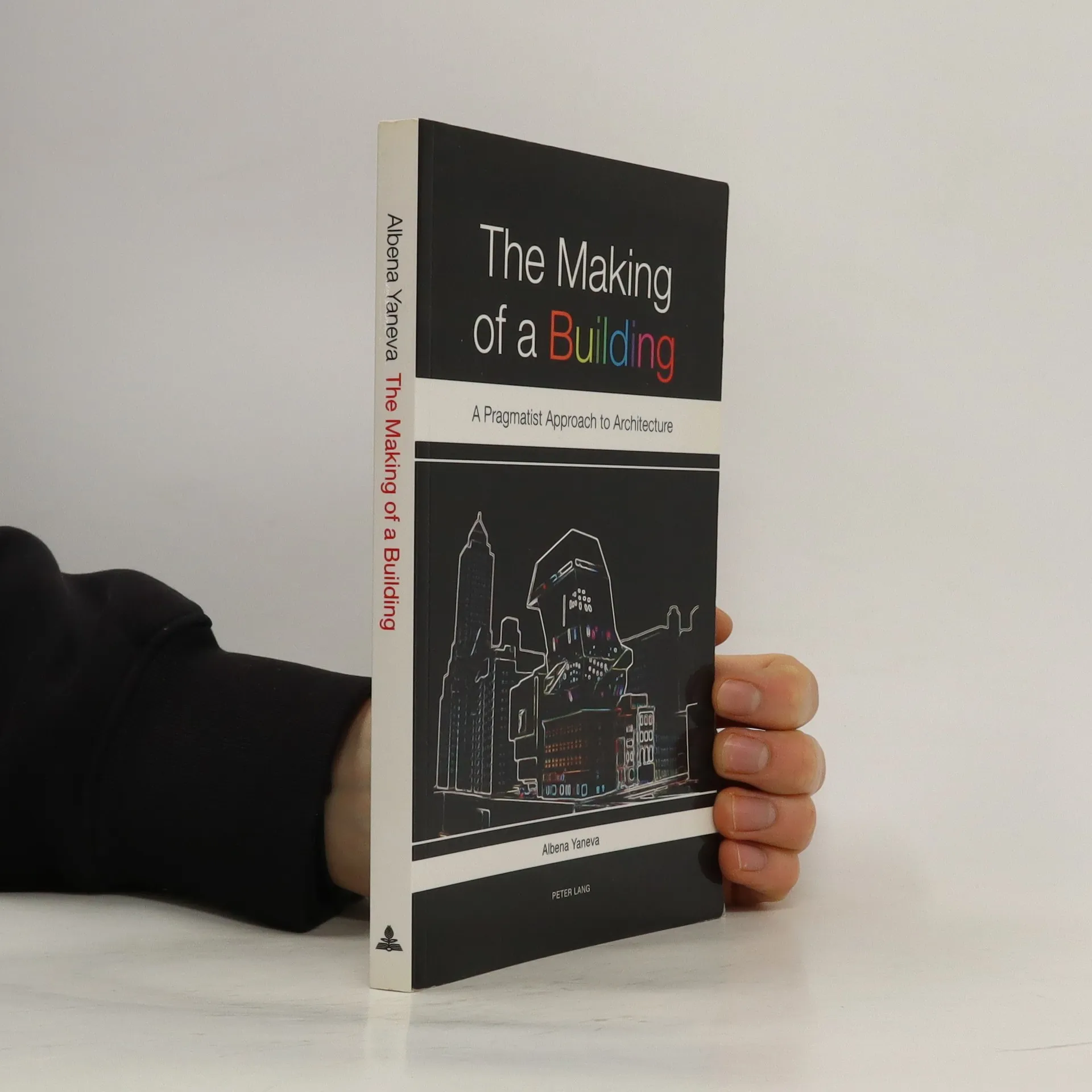
The Making of a Building, Albena Yaneva
- Jazyk

- Rok vydání
- 2009
- Vazba
- (měkká)
Tady nám chybí tvá recenze.
- Titul
- The Making of a Building
- Jazyk
- anglicky
- Autoři
- Albena Yaneva
- Vydavatel
- Lang
- Rok vydání
- 2009
- Vazba
- měkká
- ISBN10
- 3039119524
- ISBN13
- 9783039119523
- Série
- Štítky
- Architektura
- Hodnocení
- 3,65 z 5
- Anotace
- How do architects learn about a building-to-be? How does a building emerge and gain reality in the model shop, in scaling, in option making, in architects’ – and engineers’ – discussions, in public presentations? What does it mean to design? What does it mean to add a building to the city? Drawing on rare ethnographical material of architects at work at the Office for Metropolitan Architecture (OMA) of Rem Koolhaas in Rotterdam in the period 2001-4, this book offers a novel account of the social and cognitive complexity of architecture in the making. The author dismisses both stylistic periodization and socio-political constructivist methods as being inadequate to the task of understanding the dynamic process of how architects generate design through space and materiality, instead showcasing the potentials of the pragmatist approach as a research tool in the field of architecture. Offering a new way of understanding architecture as practice that takes place within the interactive networks of human and non-human actors, the book also tells the intriguing story of the extensions of the Whitney Museum of American Art in New York.