

Temporary city Berlin: One space. One structure. A set of regulations
Autoři
Hodnocení knihy
Více o knize
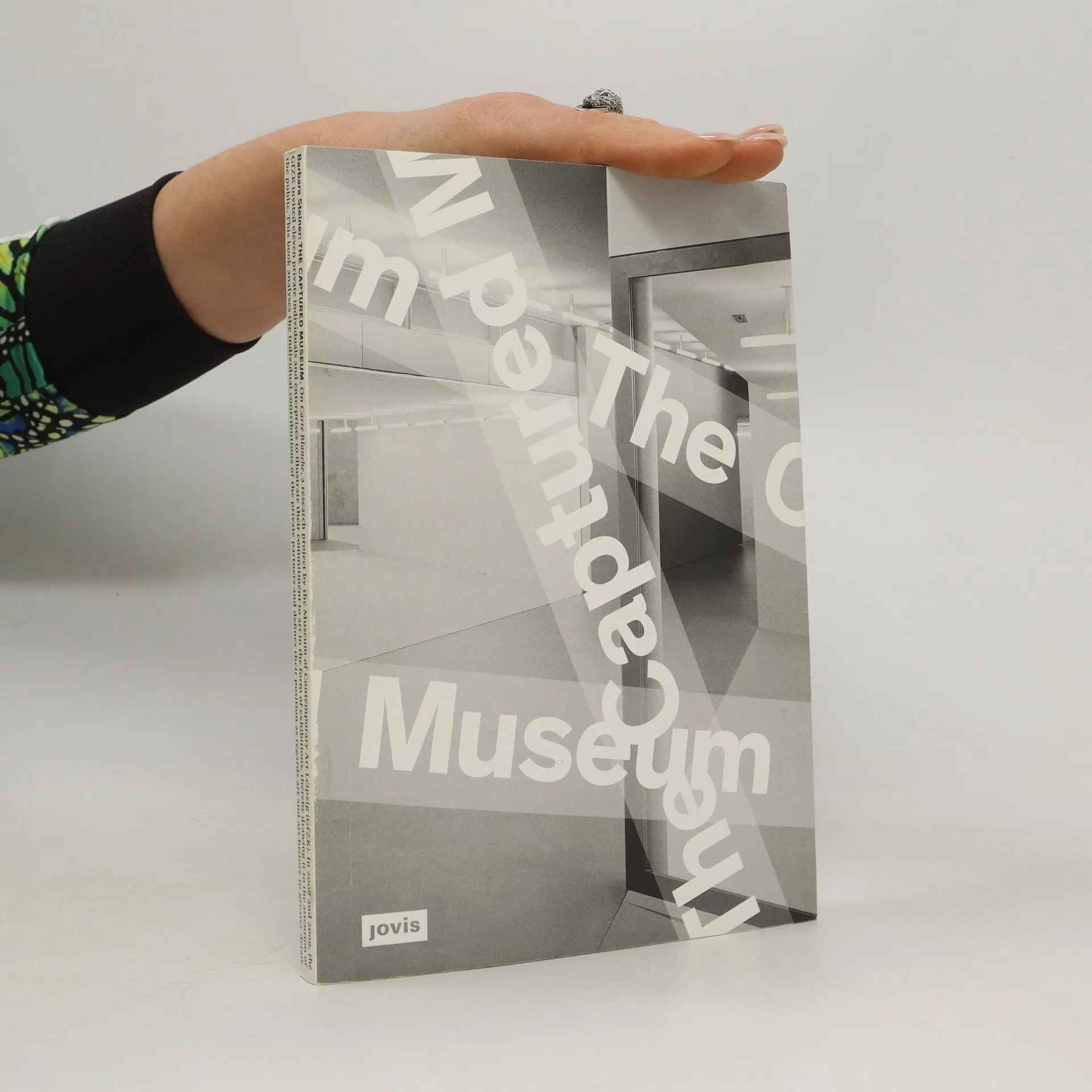
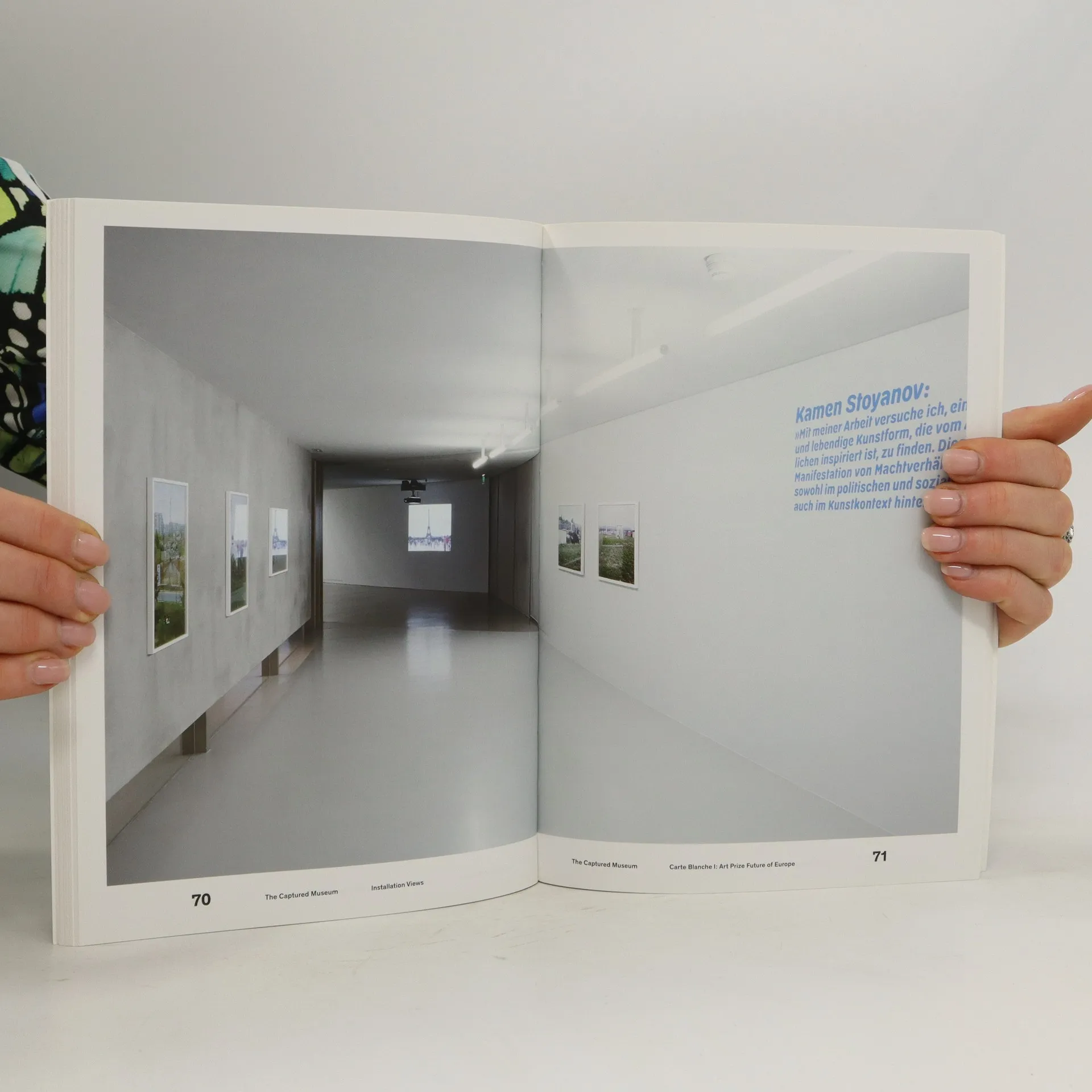
In longer introductory essays, the editors Barbara Steiner and Charles Esche explain the development of museums for modern and contemporary art over the past 50 years as public institutions responsible for innovation and education, as well as for reflecting social change. The ten "possible museums" presented are distributed across time and space but share a number of common goals. Each museum aimed to be a catalyst for potential new artistic production and forms of presentation. They have all created opportunities through art for artists and audiences to develop a sense of the contemporary. In selecting the ten "possible museums," the focus was not on visitor numbers but on the effort to transform this attention into a form of critical reflection, or, as Jean Leering casually puts it, "from pleasure to reflection."
Nákup knihy
Temporary city Berlin: One space. One structure. A set of regulations, Andreas Müller
- Jazyk

- Rok vydání
- 2010
Doručení
Platební metody
Tady nám chybí tvá recenze.
- Titul
- Temporary city Berlin: One space. One structure. A set of regulations
- Jazyk
- anglicky
- Autoři
- Andreas Müller
- Vydavatel
- Revolver Publishing
- Rok vydání
- 2010
- Počet stran
- 256
- ISBN10
- 3868590595
- ISBN13
- 9783868590593
- Série
- Kategorie
- Štítky
- Hodnocení
- 4 z 5
- Anotace
- In longer introductory essays, the editors Barbara Steiner and Charles Esche explain the development of museums for modern and contemporary art over the past 50 years as public institutions responsible for innovation and education, as well as for reflecting social change. The ten "possible museums" presented are distributed across time and space but share a number of common goals. Each museum aimed to be a catalyst for potential new artistic production and forms of presentation. They have all created opportunities through art for artists and audiences to develop a sense of the contemporary. In selecting the ten "possible museums," the focus was not on visitor numbers but on the effort to transform this attention into a form of critical reflection, or, as Jean Leering casually puts it, "from pleasure to reflection."