

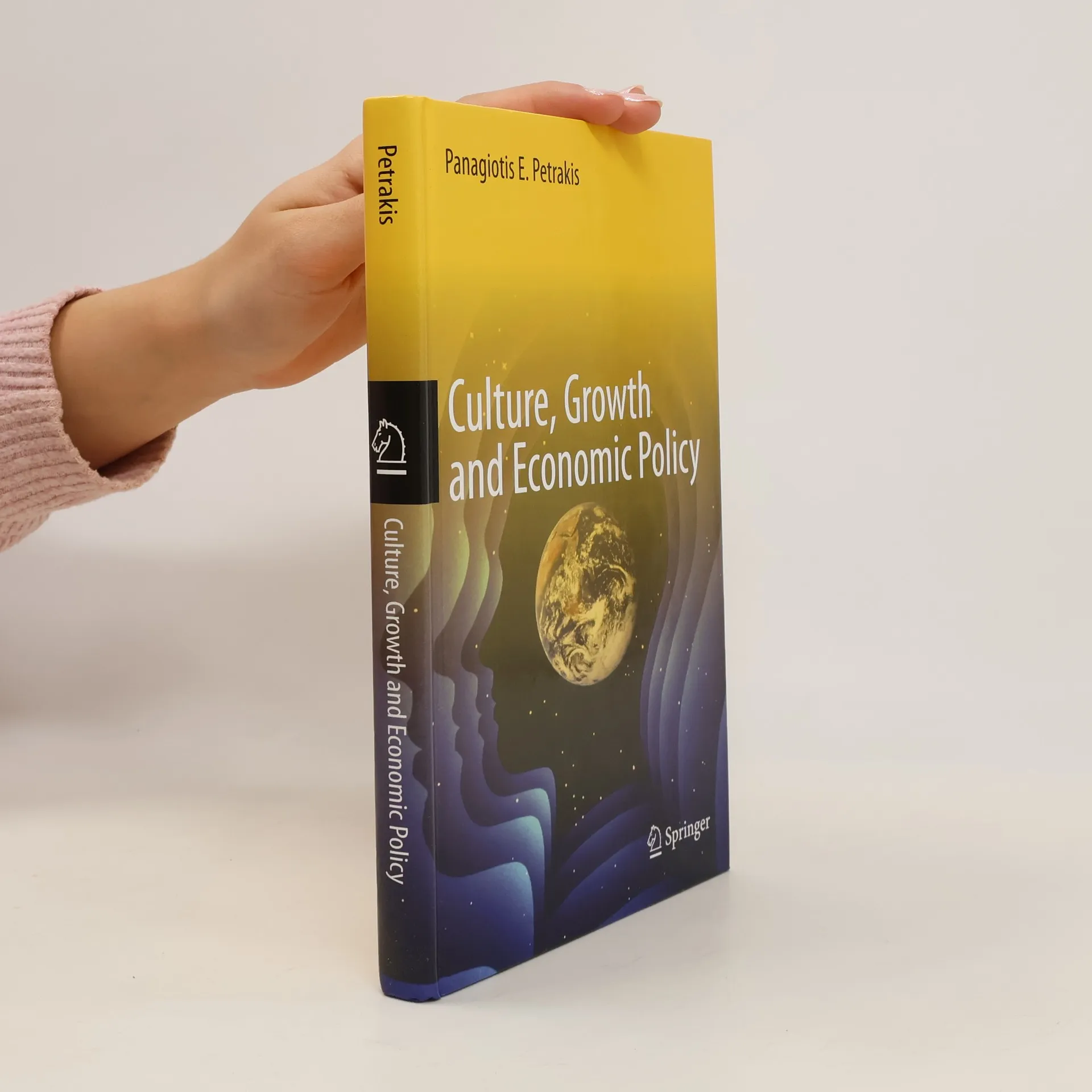
Culture, growth and economic policy
Více o knize
It is a wide-spread belief that the cultural background inhered in a society affects the requirements of economic development. This relationship requires theoretical and empirical justification. The present book provides this together with an analysis of the development of cultural background itself. Cultural background is embodied in political institutions, in transactions, knowledge, incentives, in social capital, even in the tangibles of the economy. Thus, economic development is shaped and the rate of growth is affected. Conversely, economic development affects cultural background. When this interaction takes place at a non-developmental cultural background level, which is associated with low growth rates, then a growth trap is formed. Within such a growth trap, economic policy (public and monetary) is relatively deactivated and the conditions influencing the change in cultural background and its timing are of primary importance.
Nákup knihy
Culture, growth and economic policy, Panagiōtēs E. Petrakēs
- Jazyk

- Rok vydání
- 2014
- Vazba
- (pevná)
Doručení
Platební metody
Nikdo zatím neohodnotil.
- Titul
- Culture, growth and economic policy
- Jazyk
- anglicky
- Vydavatel
- Springer
- Rok vydání
- 2014
- Vazba
- pevná
- Počet stran
- 238
- ISBN10
- 3642414397
- ISBN13
- 9783642414398
- Série
- Kategorie
- Štítky
- Byznys
- Anotace
- It is a wide-spread belief that the cultural background inhered in a society affects the requirements of economic development. This relationship requires theoretical and empirical justification. The present book provides this together with an analysis of the development of cultural background itself. Cultural background is embodied in political institutions, in transactions, knowledge, incentives, in social capital, even in the tangibles of the economy. Thus, economic development is shaped and the rate of growth is affected. Conversely, economic development affects cultural background. When this interaction takes place at a non-developmental cultural background level, which is associated with low growth rates, then a growth trap is formed. Within such a growth trap, economic policy (public and monetary) is relatively deactivated and the conditions influencing the change in cultural background and its timing are of primary importance.