

Více o knize
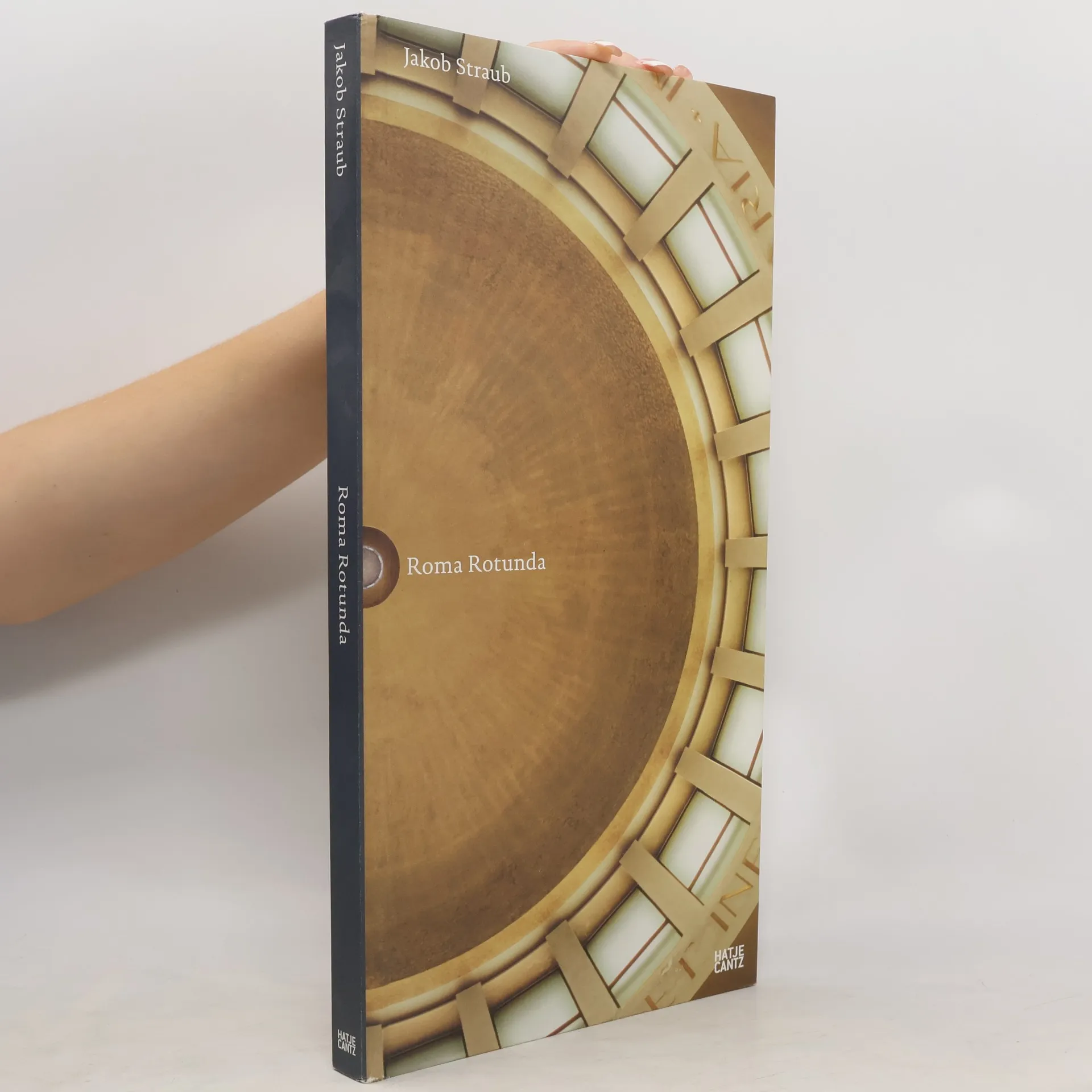
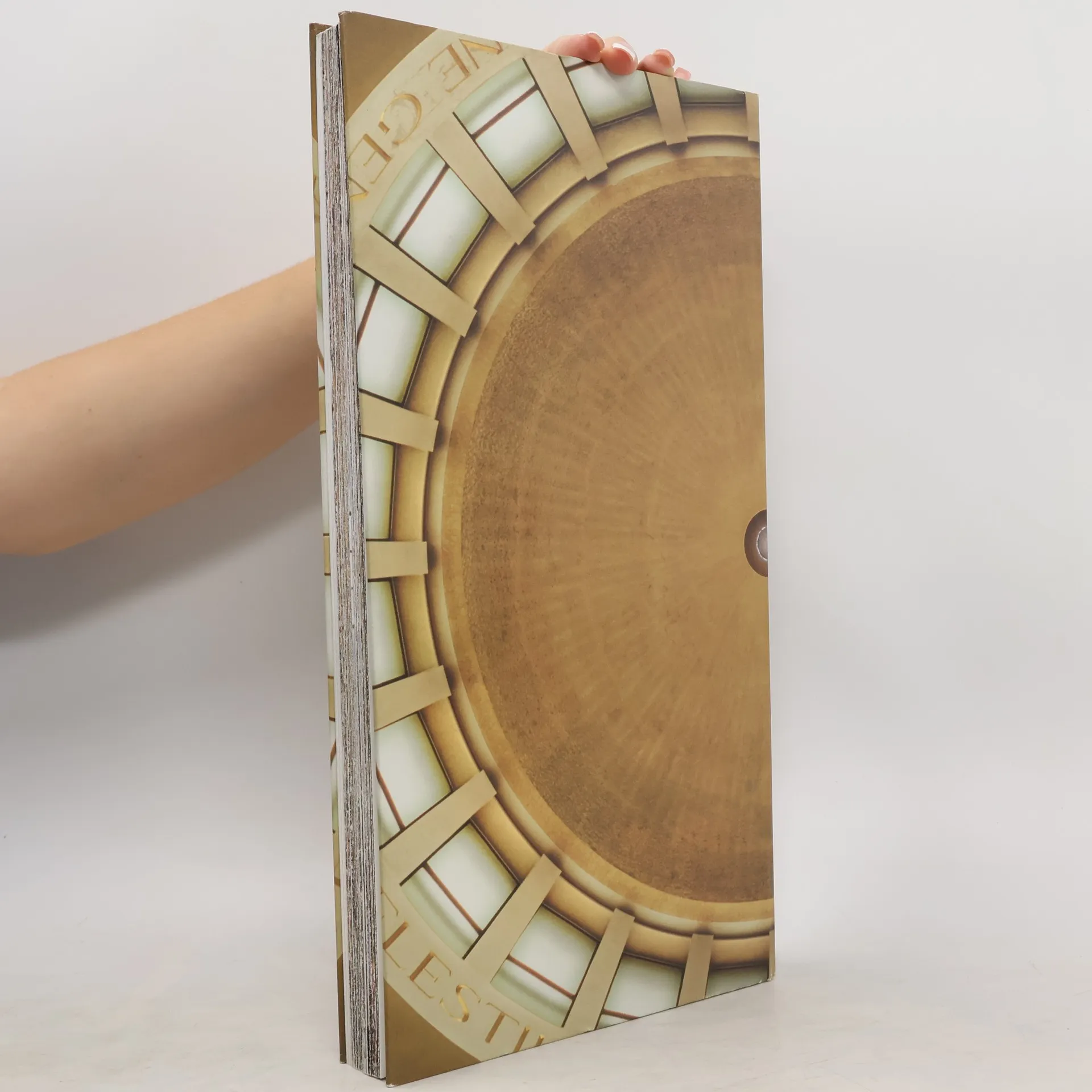
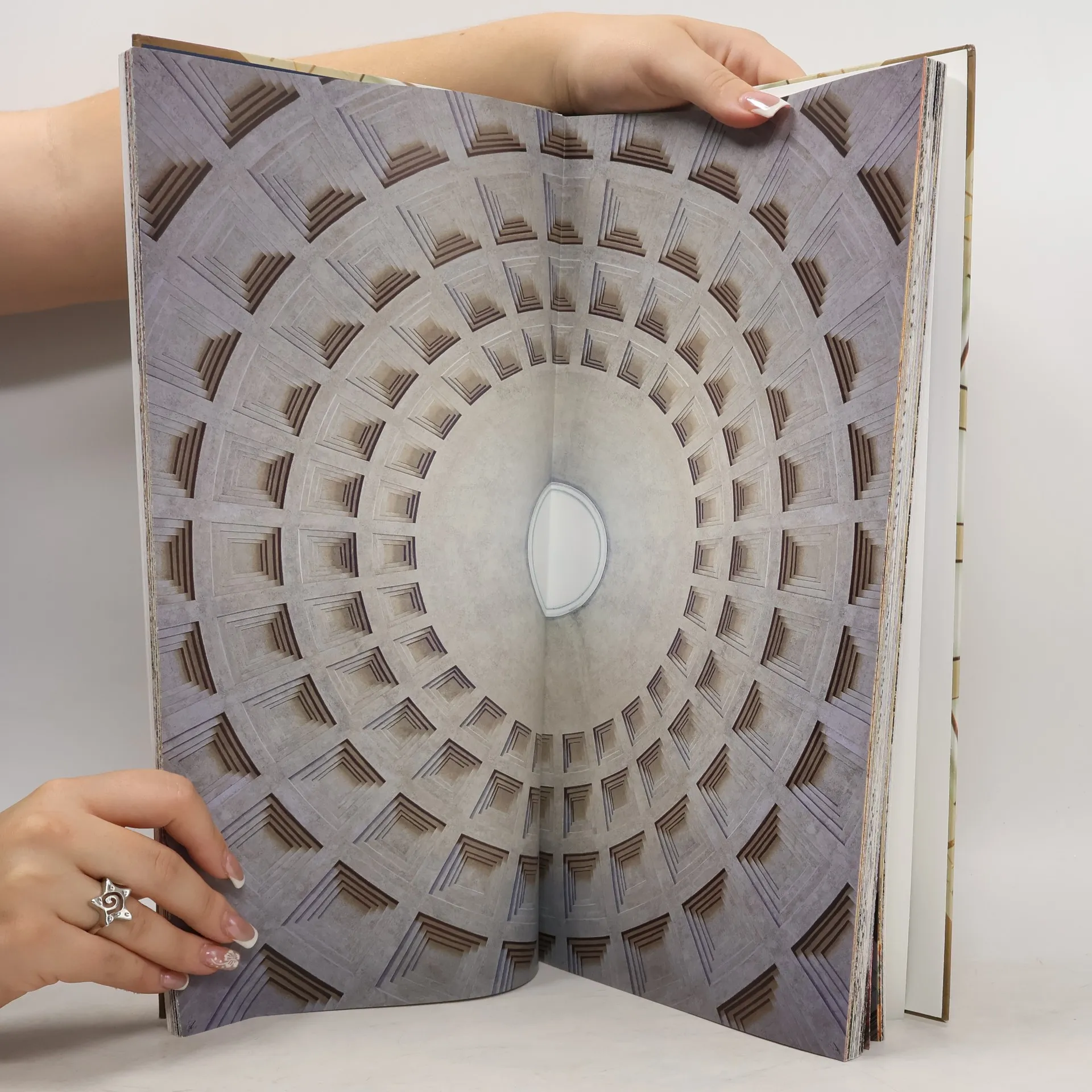
For many years now, Jakob Straub (*1975 in Berlin) has been taking photographs of the interiors of domes in churches and profane buildings in Rome using an analog medium-format camera. In this long-term project, the graphic designer and photographer is not concerned with an exhaustive documentation of, for instance, the numerous churches in the city. Rather, what he is interested in is the original idea behind the design of the structures—and thus by means of a specially developed photographic technique he reduces the architecture to its basic form and brings it back to the drawing board, so to speak. In his selection of motifs, because he does not focus on their art-historical relevance his paths often lead him to structures off the beaten track that are not listed in any travel guide. The publication presents thirty-six sacred rotundas, symbols of perfection and impermanence, on an eighteen-meter-long accordion fold.
Nákup knihy
Roma Rotunda, Jakob Straub
- Jazyk

- Rok vydání
- 2015
- Vazba
- (pevná)
Doručení
Platební metody
Tady nám chybí tvá recenze.
- Titul
- Roma Rotunda
- Jazyk
- anglicky
- Autoři
- Jakob Straub
- Vydavatel
- Hatje Cantz
- Rok vydání
- 2015
- Vazba
- pevná
- Počet stran
- 96
- ISBN10
- 3775739750
- ISBN13
- 9783775739757
- Série
- Kategorie
- Štítky
- Hodnocení
- 4,65 z 5
- Anotace
- For many years now, Jakob Straub (*1975 in Berlin) has been taking photographs of the interiors of domes in churches and profane buildings in Rome using an analog medium-format camera. In this long-term project, the graphic designer and photographer is not concerned with an exhaustive documentation of, for instance, the numerous churches in the city. Rather, what he is interested in is the original idea behind the design of the structures—and thus by means of a specially developed photographic technique he reduces the architecture to its basic form and brings it back to the drawing board, so to speak. In his selection of motifs, because he does not focus on their art-historical relevance his paths often lead him to structures off the beaten track that are not listed in any travel guide. The publication presents thirty-six sacred rotundas, symbols of perfection and impermanence, on an eighteen-meter-long accordion fold.