

Yto Barrada - the sample book
Autoři
Více o knize
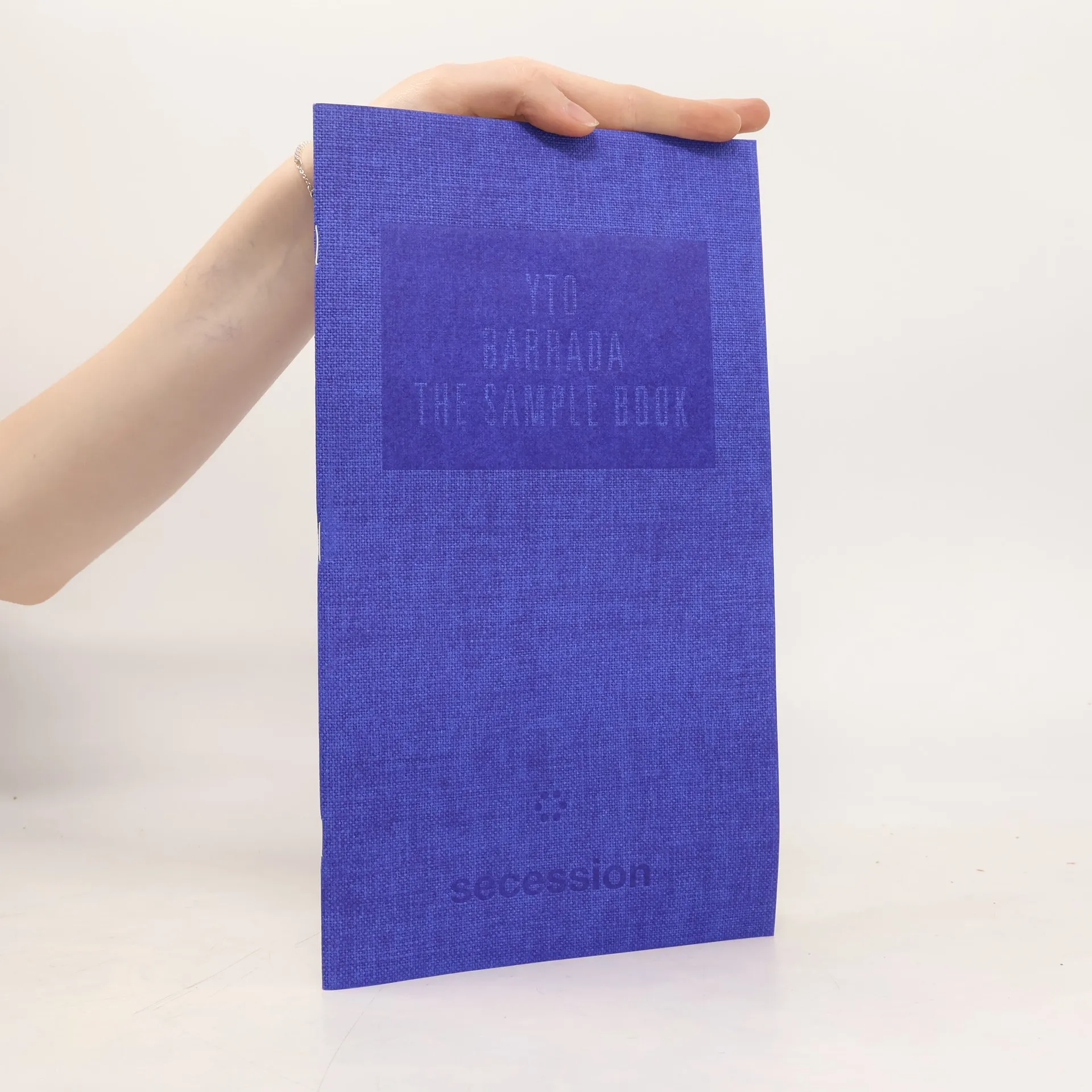
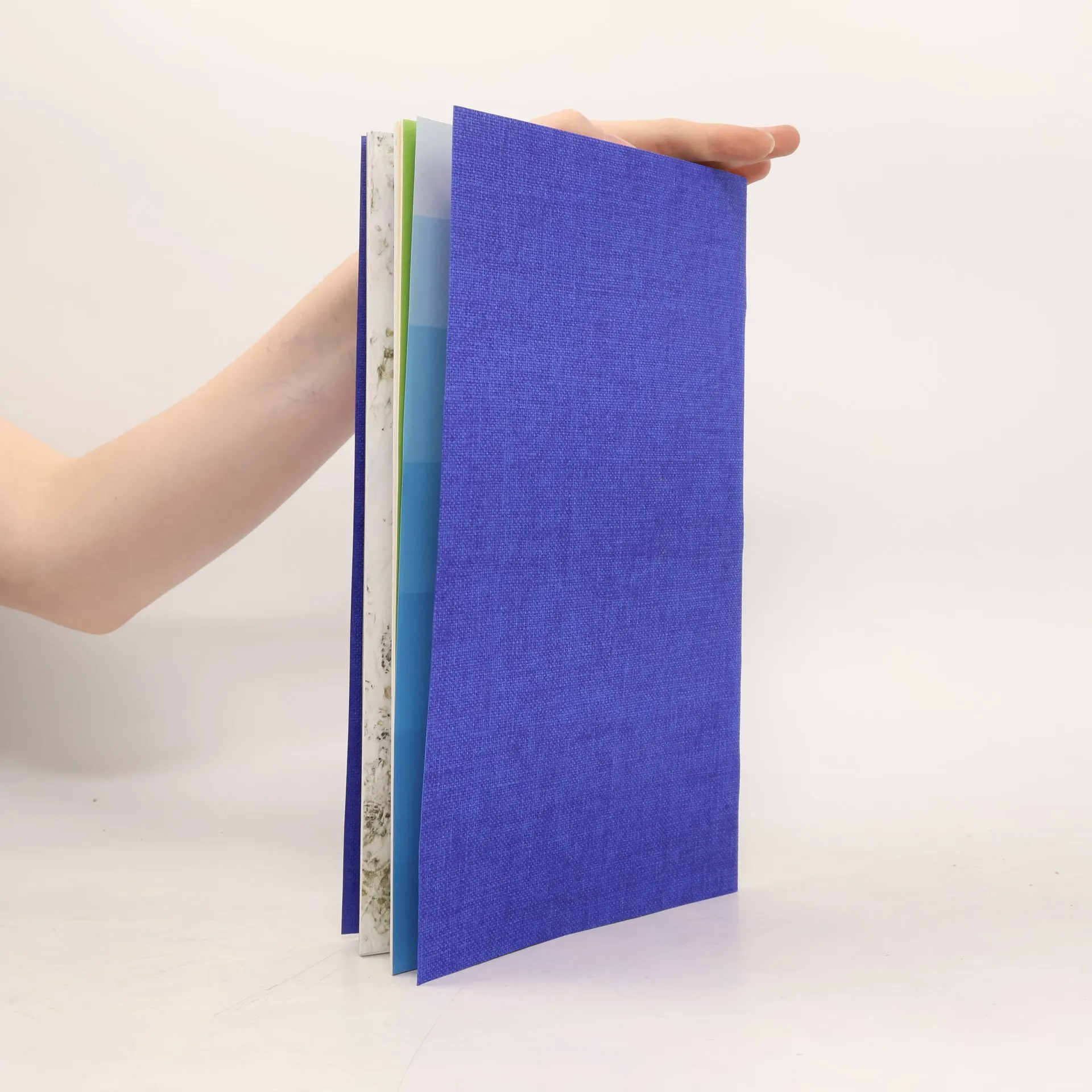
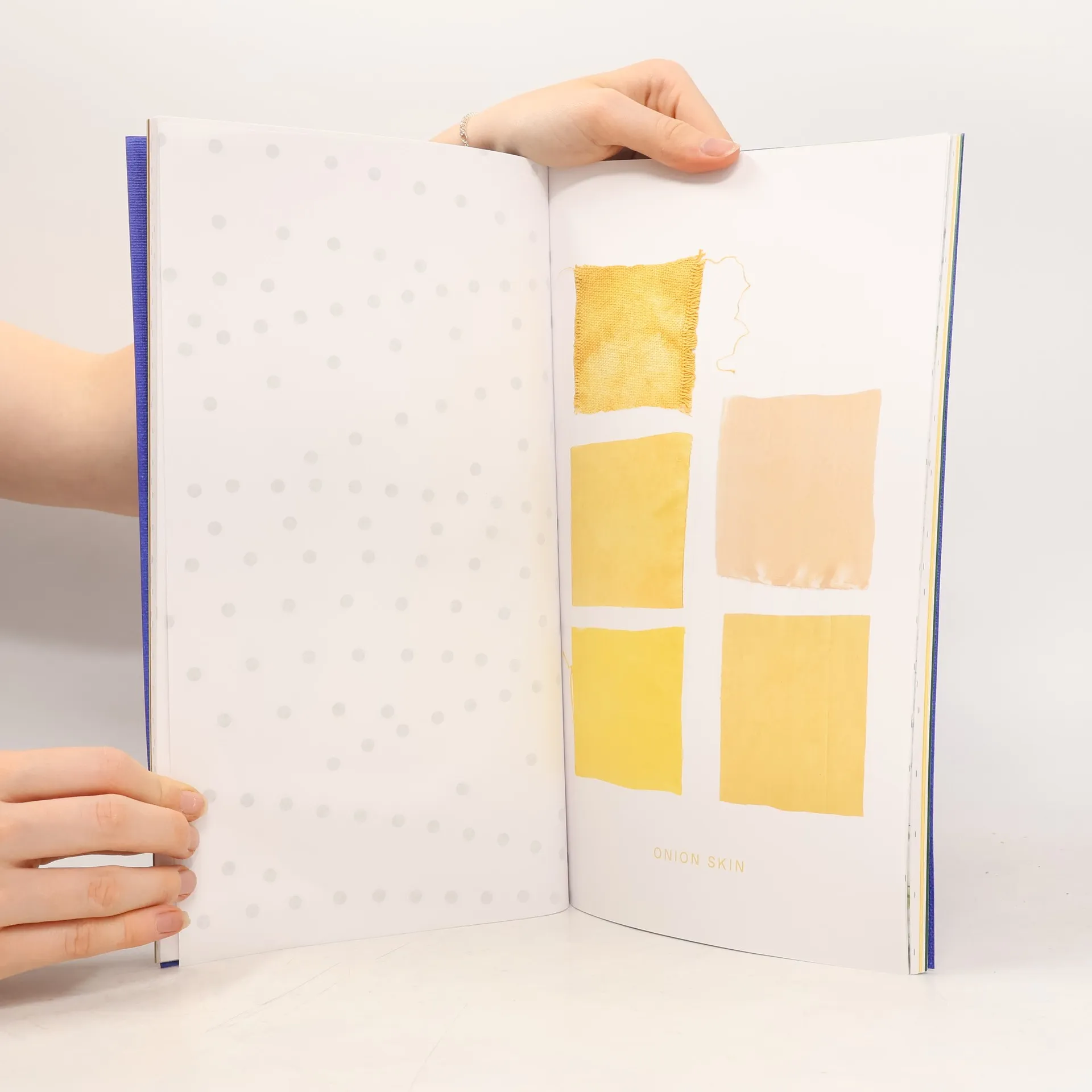
Following the trope of holes and blanks, Yto Barrada focuses not so much on her subjects themselves as on the traces they leave. Her exhibitions often include ‘readymade’ found objects or daily things overlooked by others, which become iconic in the complex stories she spins. Some months ago, the artist embarked on an extensive study of natural colorants and traditional dyeing techniques. Starting out with the idea of transposing the color code from the lithological table into different media such as photography and textiles, Barrada began by systematically testing dyes on materials including cotton, silk, and wool. She then arrayed the resulting hundreds of fabric swatches in accordance with a classification of their own and archived them in sample books; a system which she also applied to this artist´s book. Sample books—in which small specimens of a product bear tangible and visible witness to themselves—are relics of a consumer society of the past: they have disappeared almost entirely from commerce today. Perhaps their last redoubt is the household textiles business. As Barrada sees them, old sample books not only hold a distinctive aesthetic appeal, they also speak to the histories of manufacturing and distribution, of economic structures and the hierarchies between producers, wholesalers, and retailers.
Nákup knihy
Yto Barrada - the sample book, Yto Barrada
- Jazyk

- Rok vydání
- 2016
- Vazba
- (měkká)
Doručení
Platební metody
Nikdo zatím neohodnotil.
- Titul
- Yto Barrada - the sample book
- Jazyk
- anglicky
- Autoři
- Yto Barrada
- Vydavatel
- Secession Verlag
- Rok vydání
- 2016
- Vazba
- měkká
- Počet stran
- 116
- ISBN10
- 3957633400
- ISBN13
- 9783957633408
- Série
- Kategorie
- Štítky
- Katalogy výstav
- Anotace
- Following the trope of holes and blanks, Yto Barrada focuses not so much on her subjects themselves as on the traces they leave. Her exhibitions often include ‘readymade’ found objects or daily things overlooked by others, which become iconic in the complex stories she spins. Some months ago, the artist embarked on an extensive study of natural colorants and traditional dyeing techniques. Starting out with the idea of transposing the color code from the lithological table into different media such as photography and textiles, Barrada began by systematically testing dyes on materials including cotton, silk, and wool. She then arrayed the resulting hundreds of fabric swatches in accordance with a classification of their own and archived them in sample books; a system which she also applied to this artist´s book. Sample books—in which small specimens of a product bear tangible and visible witness to themselves—are relics of a consumer society of the past: they have disappeared almost entirely from commerce today. Perhaps their last redoubt is the household textiles business. As Barrada sees them, old sample books not only hold a distinctive aesthetic appeal, they also speak to the histories of manufacturing and distribution, of economic structures and the hierarchies between producers, wholesalers, and retailers.