



Více o knize
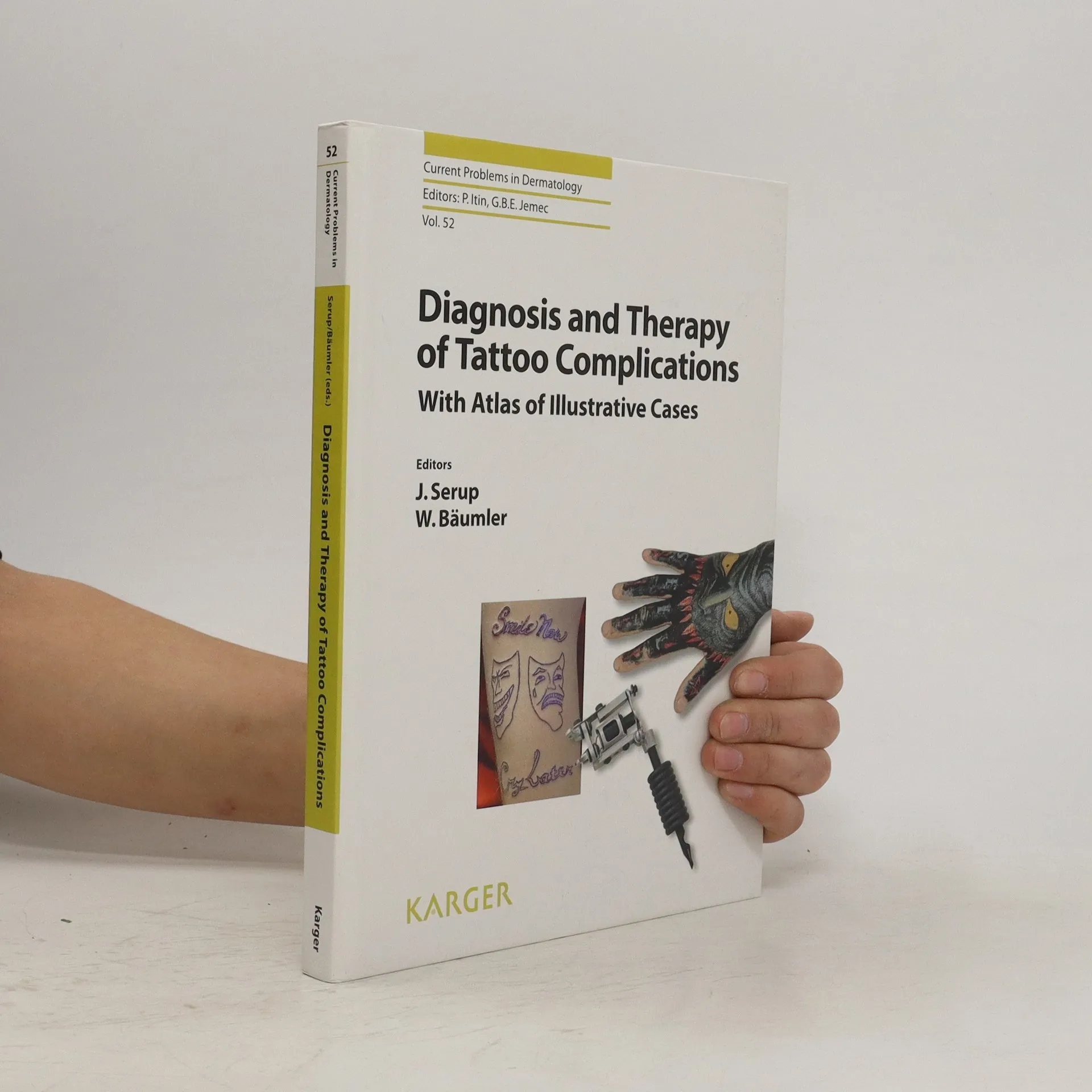
Tattooing breaches the skin and can, therefore, cause a variety of complications. This book covers the full spectrum of issues clinical practitioners may encounter when treating affected patients. Introductory chapters include educational information on methods for tattooing, types of tattoos, tattoo inks, and tattoo ink toxicology. The focus is on the diagnosis and classification of tattoo complications. In this regard, a comprehensive atlas of acute and chronic complications serves as a valuable tool. Further chapters summarize available therapies, their rationale, and indication. This includes various medical and surgical treatments with a review of dermatome shaving. Lastly, tattoo removal by gold standard YAG lasers and the more recent pico-second lasers is discussed with the optimal therapeutic outcome in mind. Dermatologists, plastic surgeons, general practitioners, laser surgeons, and other specialists treating tattoo complications will find this book to be an indispensable resource. It also includes information relevant for a broad range of stakeholders in the tattoo business, including authorities and regulators.
Nákup knihy
Diagnosis and therapy of Tattoo complications, Jørgen Serup
- Jazyk

- Rok vydání
- 2017
- Vazba
- (pevná)
Nikdo zatím neohodnotil.
- Titul
- Diagnosis and therapy of Tattoo complications
- Jazyk
- anglicky
- Autoři
- Jørgen Serup
- Vydavatel
- Karger
- Rok vydání
- 2017
- Vazba
- pevná
- Počet stran
- 234
- ISBN10
- 3318059773
- ISBN13
- 9783318059779
- Série
- Kategorie
- Štítky
- Zdraví & Lékařství
- Anotace
- Tattooing breaches the skin and can, therefore, cause a variety of complications. This book covers the full spectrum of issues clinical practitioners may encounter when treating affected patients. Introductory chapters include educational information on methods for tattooing, types of tattoos, tattoo inks, and tattoo ink toxicology. The focus is on the diagnosis and classification of tattoo complications. In this regard, a comprehensive atlas of acute and chronic complications serves as a valuable tool. Further chapters summarize available therapies, their rationale, and indication. This includes various medical and surgical treatments with a review of dermatome shaving. Lastly, tattoo removal by gold standard YAG lasers and the more recent pico-second lasers is discussed with the optimal therapeutic outcome in mind. Dermatologists, plastic surgeons, general practitioners, laser surgeons, and other specialists treating tattoo complications will find this book to be an indispensable resource. It also includes information relevant for a broad range of stakeholders in the tattoo business, including authorities and regulators.