

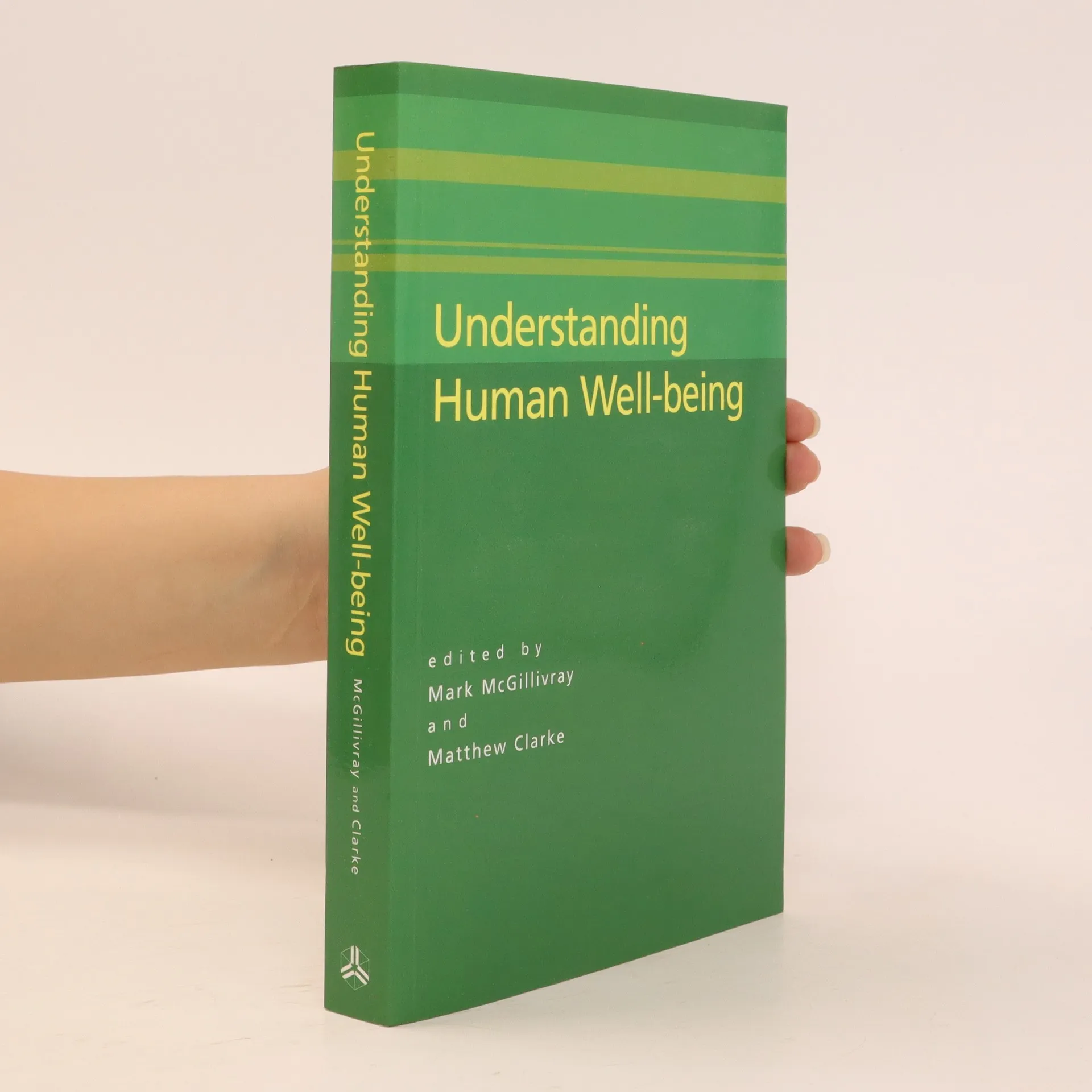

Understanding Human Well-being
Více o knize
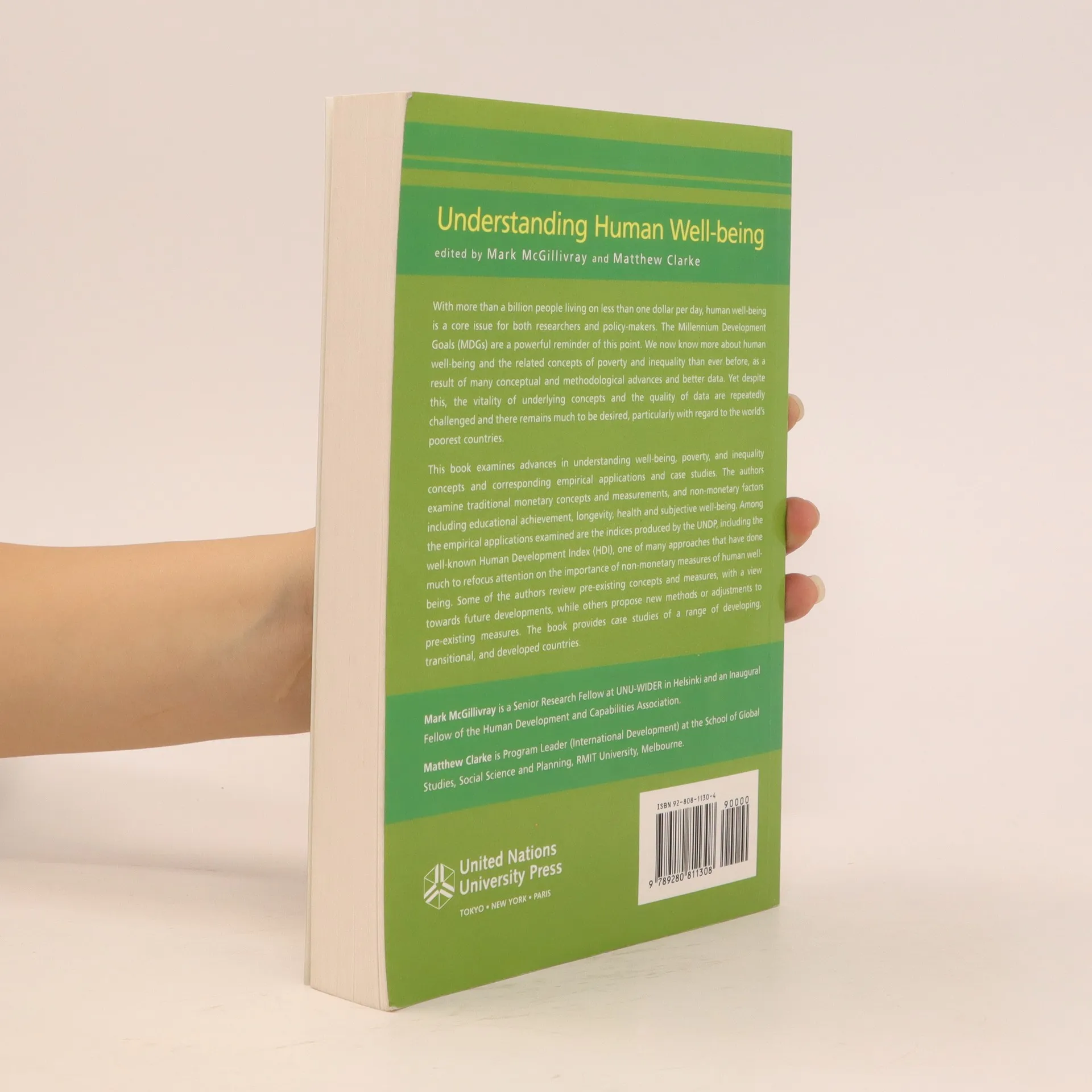
With more than a billion people living on less than one dollar per day, human well-being is a core issue for both researchers and policymakers. The Millennium Development Goals are a powerful reminder of this point. We now know more about human well-being and the related concepts of poverty and inequality than ever before, as a result of many conceptual and methodological advances and better data. Yet despite this progress, the vitality of underlying concepts and the quality of data are repeatedly challenged and still leave much to be desired, particularly with regard to the world's poorest countries. This book looks at advances in underlying well-being, poverty, and inequality concepts and corresponding empirical measures and case studies. Traditional monetary concepts and measurements are examined as well as educational achievement, longevity, health, and subjective well-being. Among the measures examined is the Human Development Index, which has done much to refocus attention on the importance of nonmonetary measures of human wellbeing. Chapters review pre-existing concepts and measures, with a view of future developments, while others propose new concepts or measures.
Nákup knihy
Understanding Human Well-being, Matthew Clarke, Mark McGillivray
- Jazyk

- Rok vydání
- 2006
- Vazba
- (měkká)
Doručení
Platební metody
Nikdo zatím neohodnotil.
- Titul
- Understanding Human Well-being
- Jazyk
- anglicky
- Autoři
- Matthew Clarke, Mark McGillivray
- Vydavatel
- United Nations University Press
- Rok vydání
- 2006
- Vazba
- měkká
- Počet stran
- 386
- ISBN10
- 9280811304
- ISBN13
- 9789280811308
- Série
- Kategorie
- Štítky
- Anotace
- With more than a billion people living on less than one dollar per day, human well-being is a core issue for both researchers and policymakers. The Millennium Development Goals are a powerful reminder of this point. We now know more about human well-being and the related concepts of poverty and inequality than ever before, as a result of many conceptual and methodological advances and better data. Yet despite this progress, the vitality of underlying concepts and the quality of data are repeatedly challenged and still leave much to be desired, particularly with regard to the world's poorest countries. This book looks at advances in underlying well-being, poverty, and inequality concepts and corresponding empirical measures and case studies. Traditional monetary concepts and measurements are examined as well as educational achievement, longevity, health, and subjective well-being. Among the measures examined is the Human Development Index, which has done much to refocus attention on the importance of nonmonetary measures of human wellbeing. Chapters review pre-existing concepts and measures, with a view of future developments, while others propose new concepts or measures.