



Více o knize
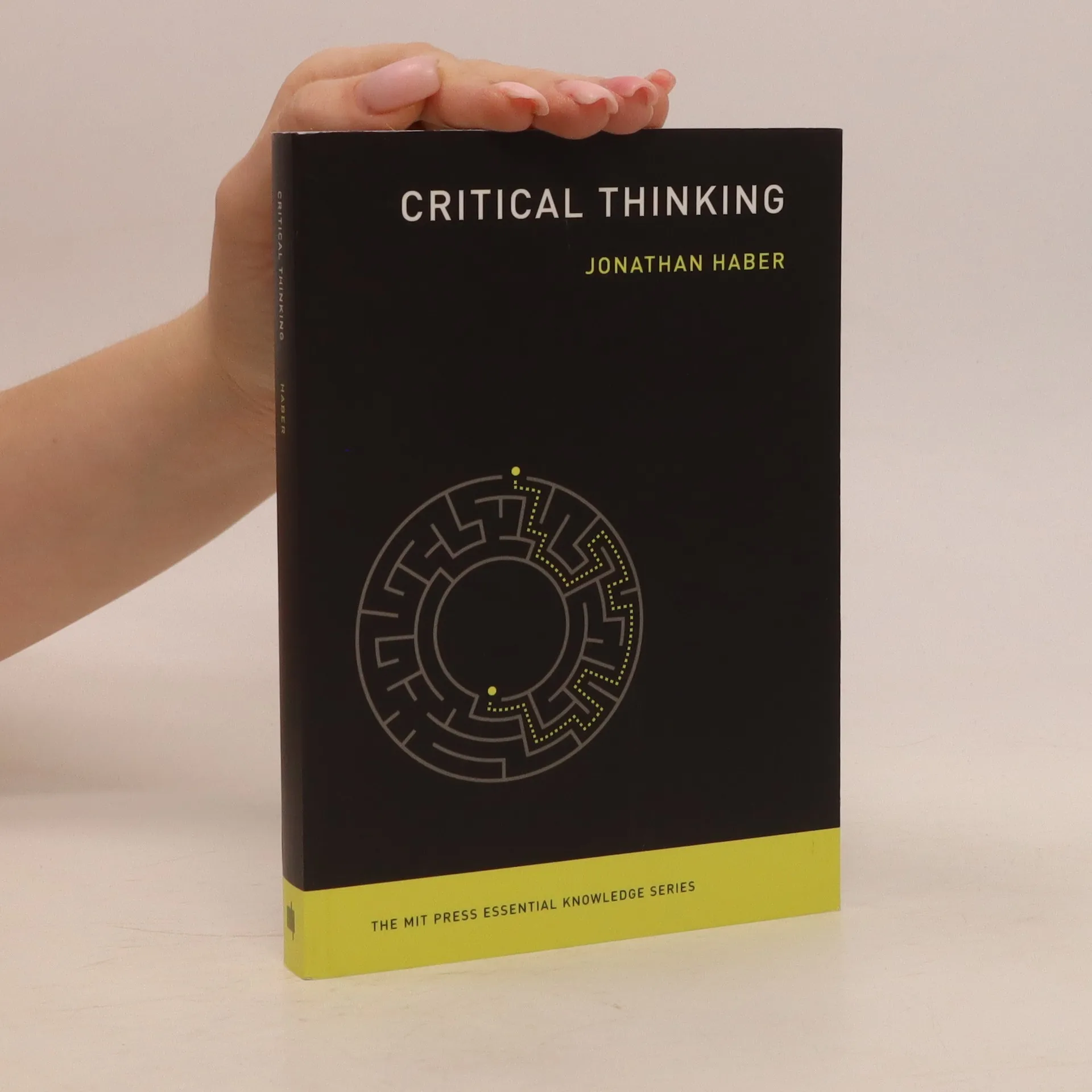
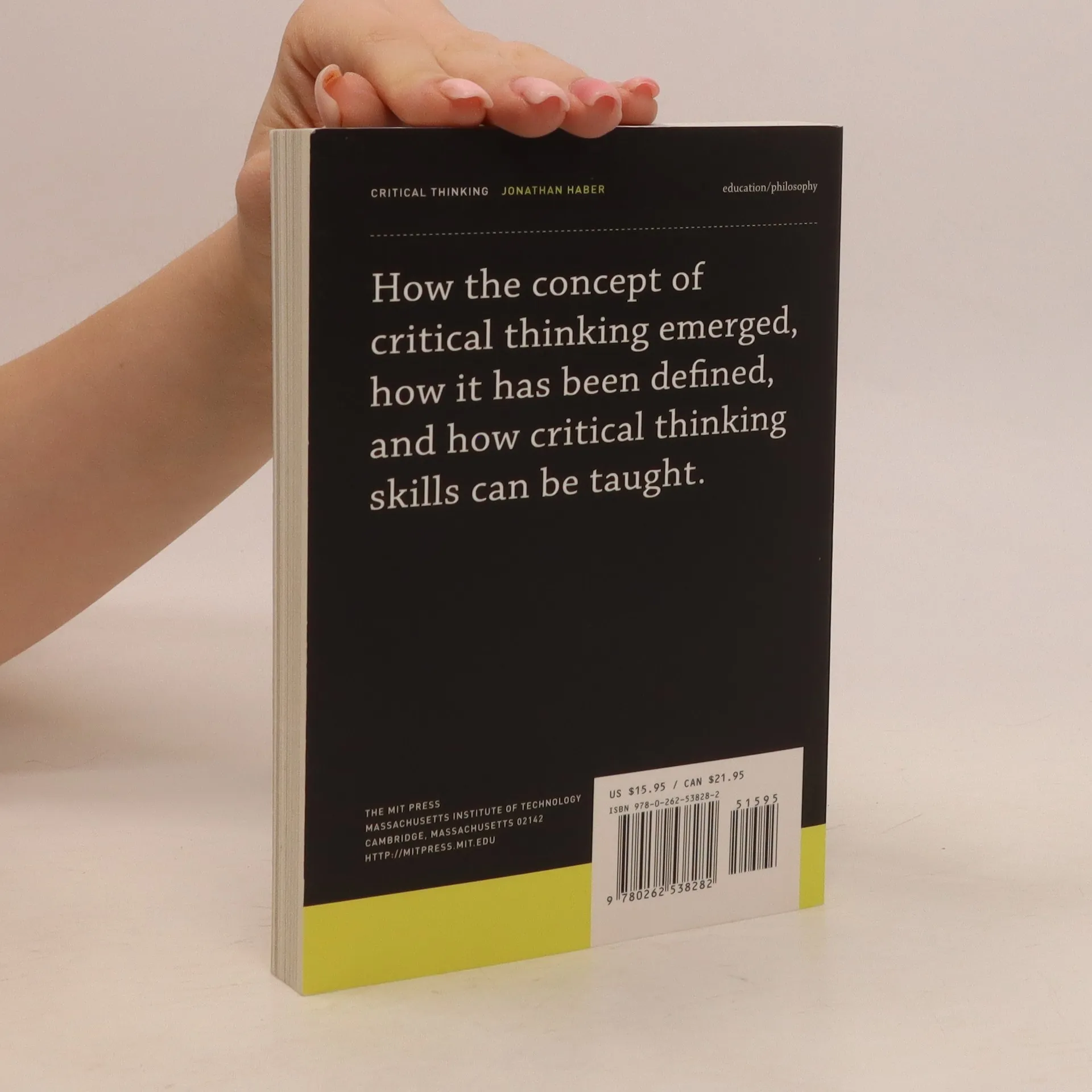
Critical thinking is recognized as a crucial skill for success in the modern world, essential for navigating challenges in education and the workplace. In an era where misinformation is rampant and emotional decision-making often prevails, critical thinking is increasingly vital for the health of democratic society. This volume explores the origins and definitions of critical thinking, detailing its development across philosophy, psychology, and science. The author outlines key components of critical thinking, such as structured thinking, language proficiency, background knowledge, and information literacy, alongside important intellectual traits like humility, empathy, and open-mindedness. The text reviews historical approaches to teaching critical thinking and emphasizes the need for contemporary educators to prioritize these skills. The author contends that a significant issue today is the insufficient engagement in critical thinking among the general population. However, he reassures that critical thinking can be effectively taught, practiced, and assessed. This work serves as a comprehensive guide for teachers, students, and aspiring critical thinkers, offering practical advice for educational leaders and policymakers to prioritize critical thinking in curricula.
Nákup knihy
Critical thinking, Jonathan Haber
- Jazyk

- Rok vydání
- 2020
- Vazba
- (měkká)
Doručení
Platební metody
Tady nám chybí tvá recenze.
- Titul
- Critical thinking
- Jazyk
- anglicky
- Autoři
- Jonathan Haber
- Vydavatel
- MIT Press
- Rok vydání
- 2020
- Vazba
- měkká
- Počet stran
- 116
- ISBN10
- 0262538288
- ISBN13
- 9780262538282
- Série
- Kategorie
- Hodnocení
- 3,65 z 5
- Anotace
- Critical thinking is recognized as a crucial skill for success in the modern world, essential for navigating challenges in education and the workplace. In an era where misinformation is rampant and emotional decision-making often prevails, critical thinking is increasingly vital for the health of democratic society. This volume explores the origins and definitions of critical thinking, detailing its development across philosophy, psychology, and science. The author outlines key components of critical thinking, such as structured thinking, language proficiency, background knowledge, and information literacy, alongside important intellectual traits like humility, empathy, and open-mindedness. The text reviews historical approaches to teaching critical thinking and emphasizes the need for contemporary educators to prioritize these skills. The author contends that a significant issue today is the insufficient engagement in critical thinking among the general population. However, he reassures that critical thinking can be effectively taught, practiced, and assessed. This work serves as a comprehensive guide for teachers, students, and aspiring critical thinkers, offering practical advice for educational leaders and policymakers to prioritize critical thinking in curricula.