

Více o knize
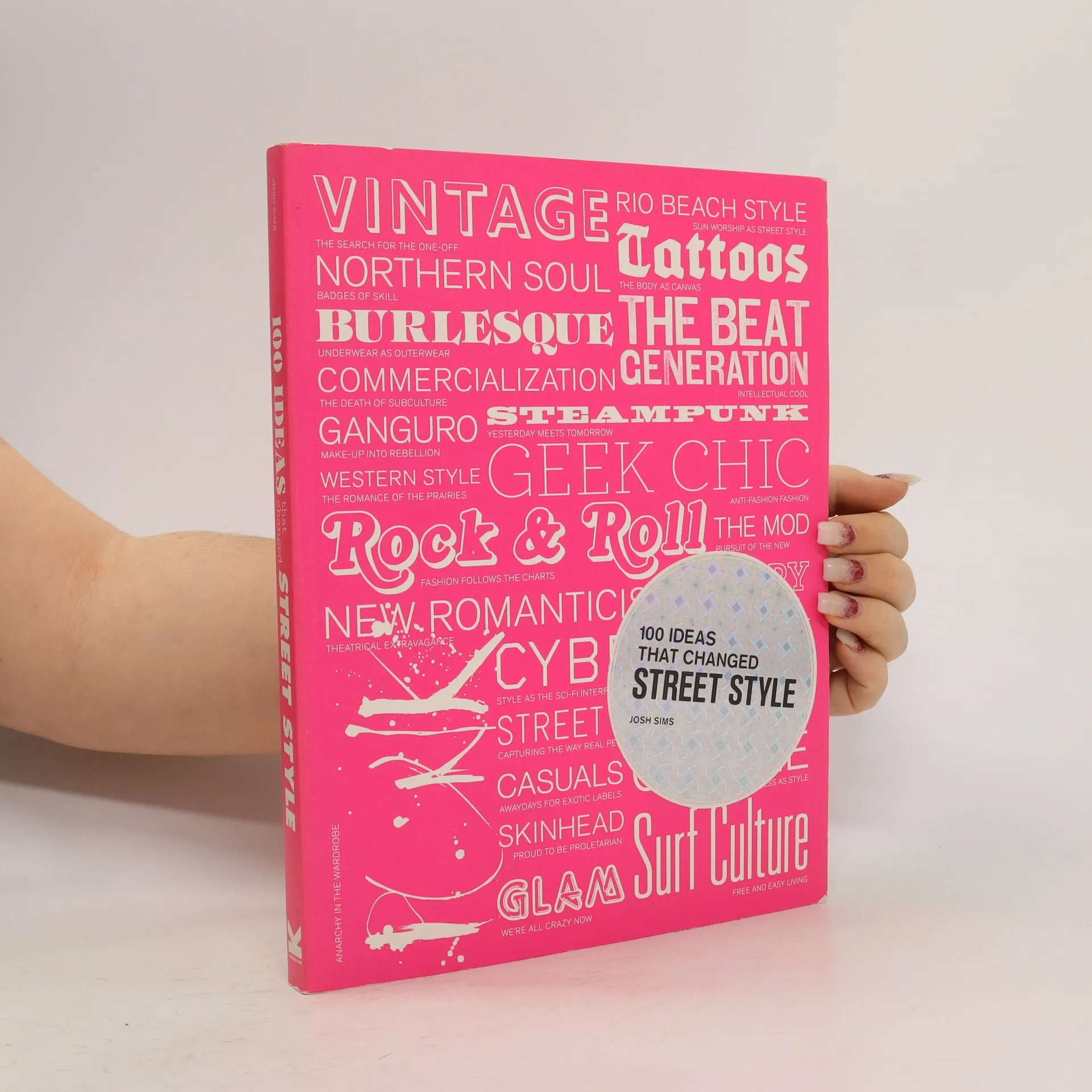
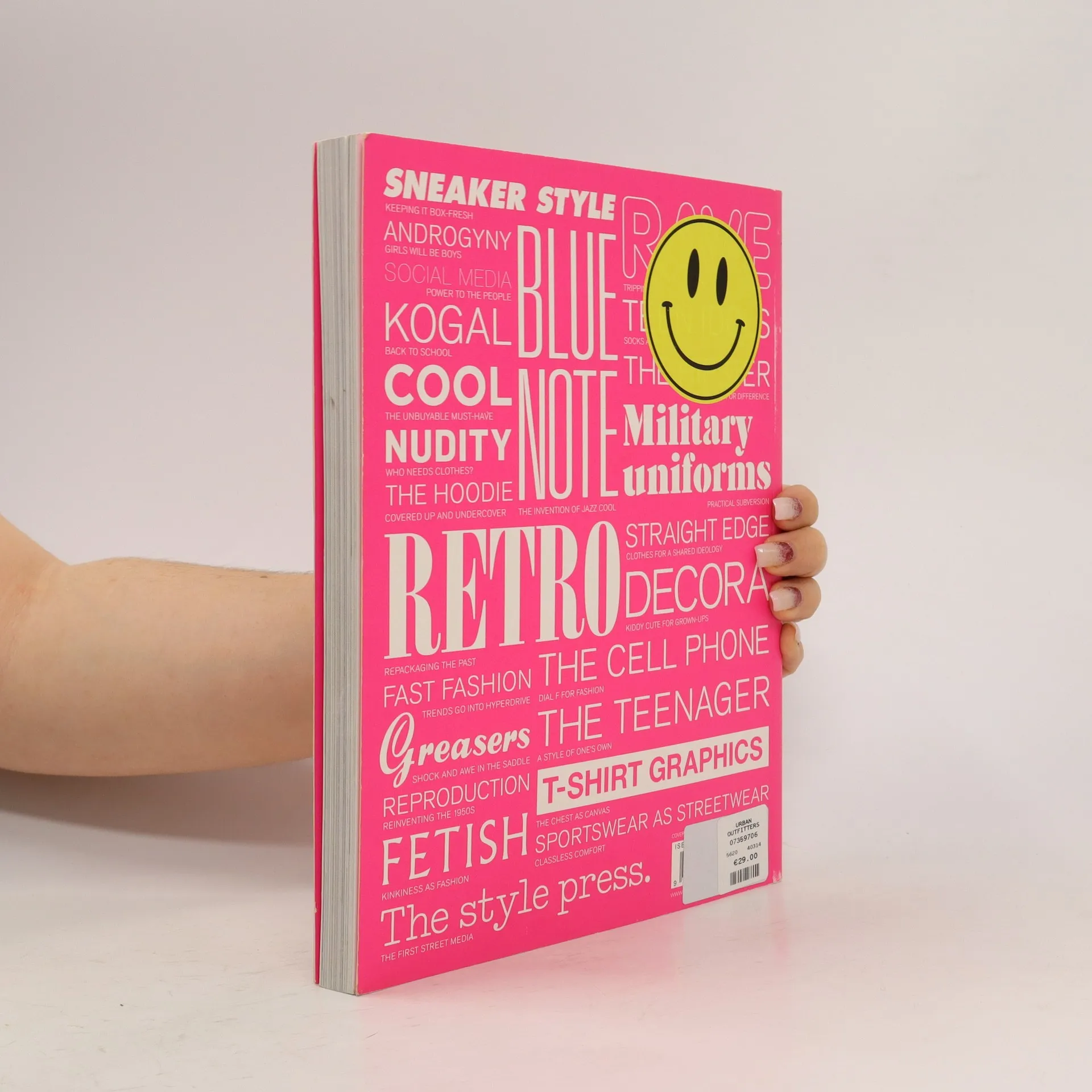
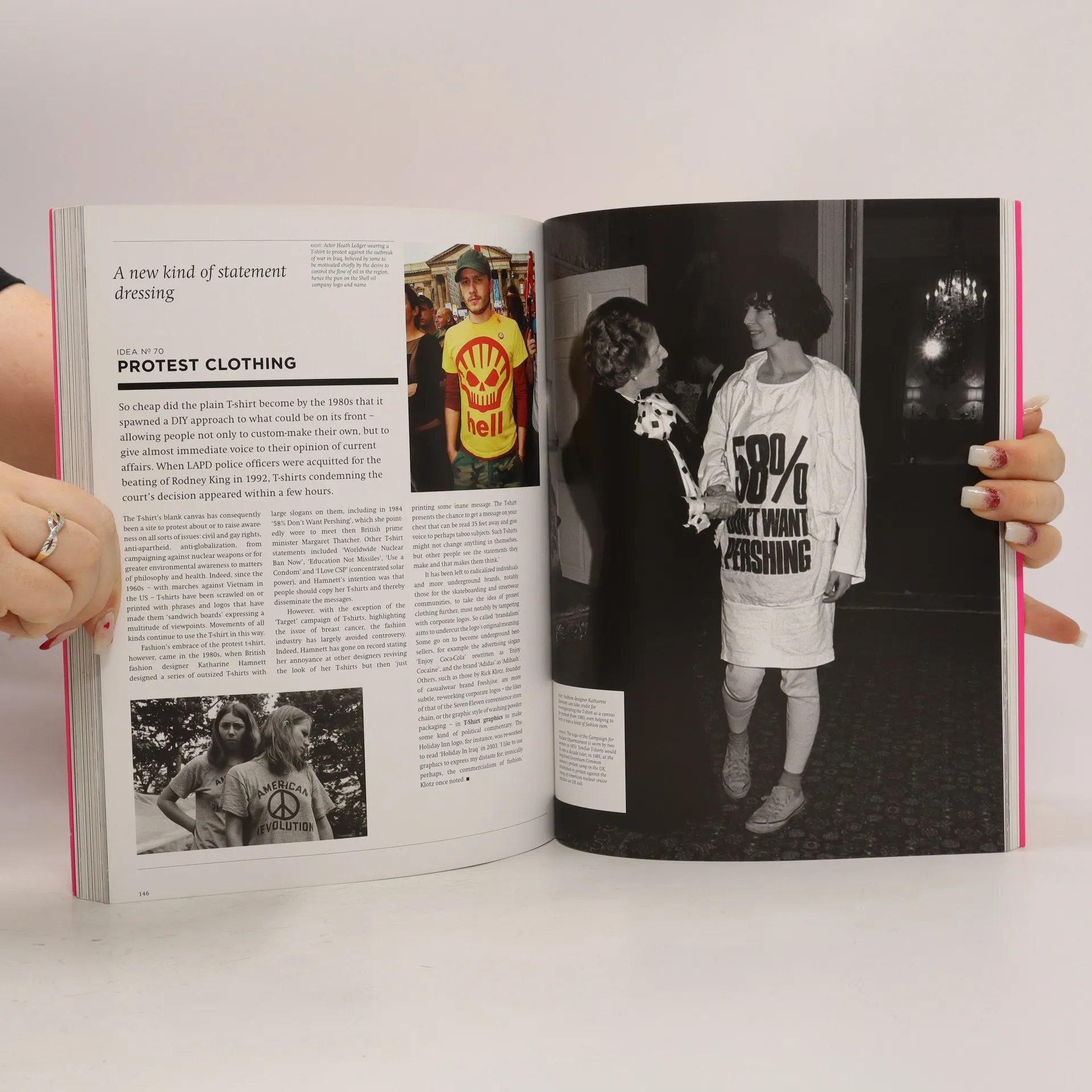
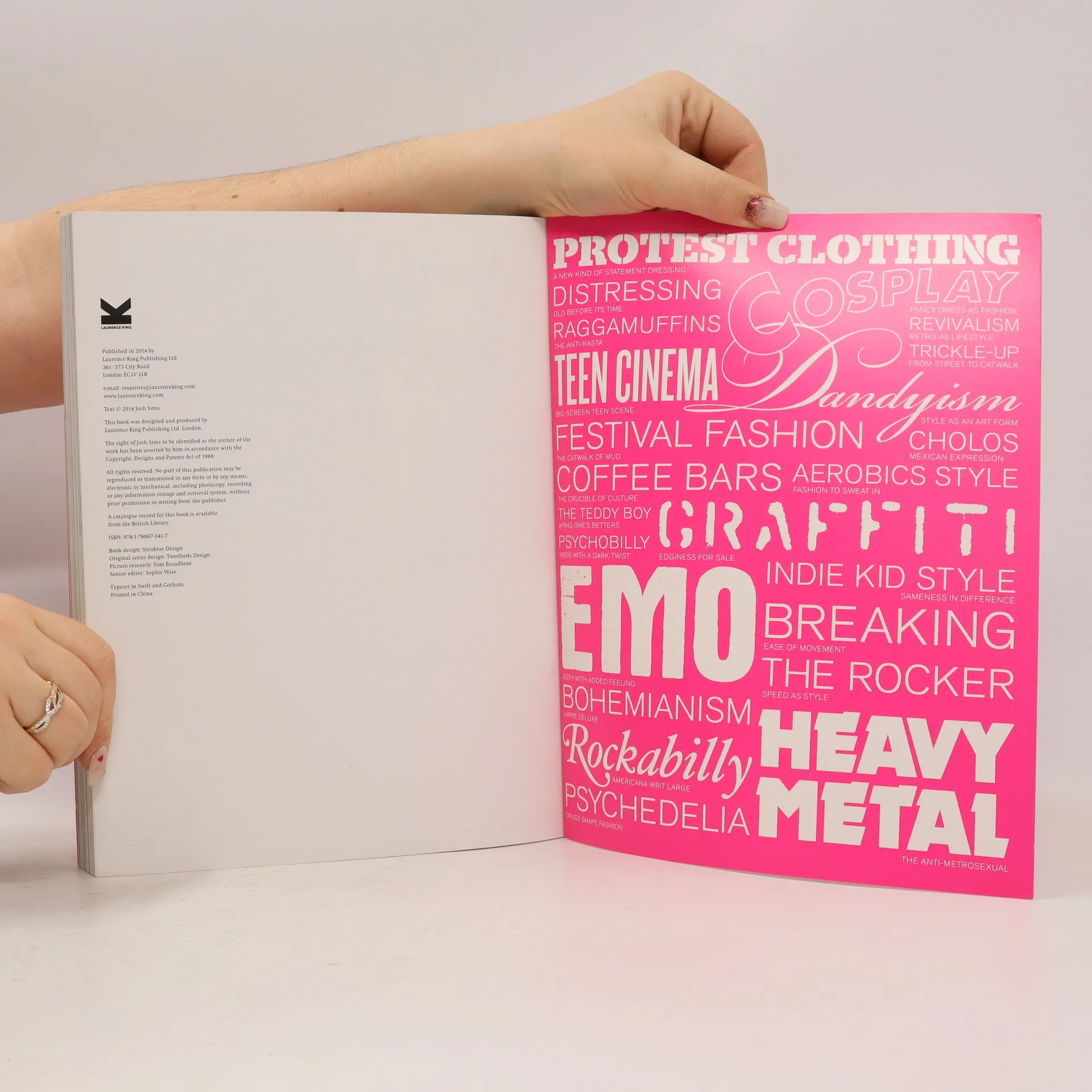
100 Ideas that Changed Street Style is a look-by-look dissection of the key ideas that changed the way we dress – from the middle of the 20th century to the present day – explaining the most iconic items of clothing and how they were worn, what the look was born of, its cultural background, how it was received, and how it still resonates in fashion today. The modern wardrobe owes its development not just to fashion designers in Paris or Milan but also to gangs and movements brought together by a shared appreciation of music, sport or a particular underground culture, and a certain style that defines membership. These styles have rocked establishments, created stereotypes, expressed social division as much as they have united people, entered the language, spread around the world, and, above all, transformed dress for a wider public.
Nákup knihy
100 Ideas that Changed Street Style, Josh Sims
- Jazyk

- Rok vydání
- 2014
- Vazba
- (měkká)
Doručení
Platební metody
Tady nám chybí tvá recenze.
- Titul
- 100 Ideas that Changed Street Style
- Jazyk
- anglicky
- Autoři
- Josh Sims
- Vydavatel
- Laurence King Publishing
- Rok vydání
- 2014
- Vazba
- měkká
- Počet stran
- 216
- ISBN10
- 1780673418
- ISBN13
- 9781780673417
- Série
- Štítky
- Hodnocení
- 3,85 z 5
- Anotace
- 100 Ideas that Changed Street Style is a look-by-look dissection of the key ideas that changed the way we dress – from the middle of the 20th century to the present day – explaining the most iconic items of clothing and how they were worn, what the look was born of, its cultural background, how it was received, and how it still resonates in fashion today. The modern wardrobe owes its development not just to fashion designers in Paris or Milan but also to gangs and movements brought together by a shared appreciation of music, sport or a particular underground culture, and a certain style that defines membership. These styles have rocked establishments, created stereotypes, expressed social division as much as they have united people, entered the language, spread around the world, and, above all, transformed dress for a wider public.