

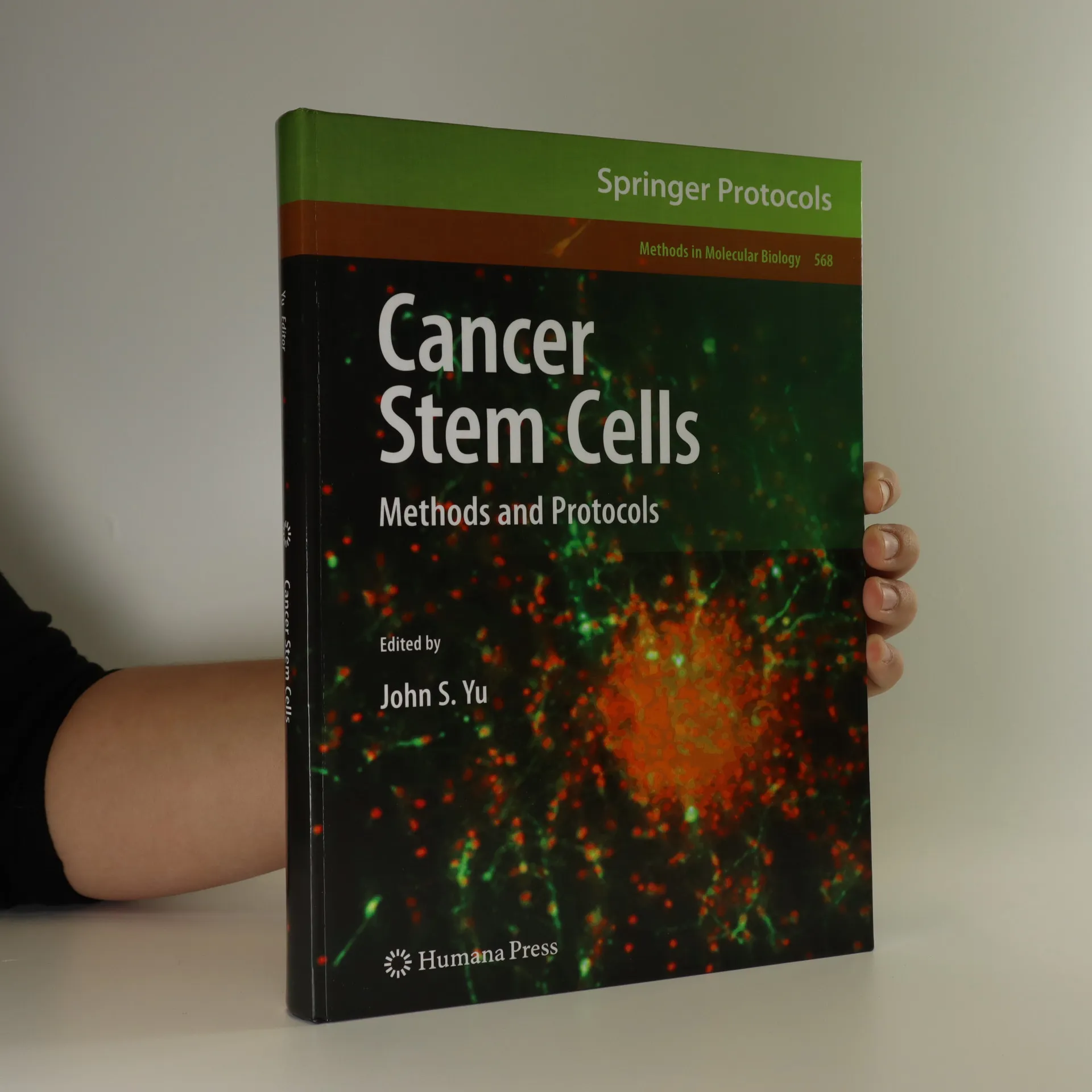
Cancer Stem Cells
Autoři
Více o knize
Cancer is a devastating disease that affects millions of people in the world. Our the- pies for tumors have mostly been based on classical chemotherapy and antiproliferative treatments. More recently, directed therapies against a causative oncogene have led to prominent reduction in tumor rates for some cancers. For instance, chronic myelogenous leukemia that is due to a BCR–ABL translocation can be targeted with Gleevec. Despite these advances in individual tumors, a number of patients are treated for their primary tumors and ultimately relapse. Relapsing tumors can be due to resistance to chemotherapy or to antioncogene drugs. Another hypothesis is that heterogeneity in the tumor leads to an inability of classical chemotherapy to completely eradicate all cells of the tumor. This concept of heterogeneity has led some investigators to propose a cancer stem cell model. As patients are treated with chemotherapy, most of the dividing cells are killed, but this leaves a small subset of cells that have the ability to remake the entire tumor. These are cancer stem cells. They possess the signals of self-renewal and yet can also differentiate. If one could understand more about the cells that remain after classical chemotherapy or the cells that can remake the tumor among the heterogeneous population, this information would have a huge impact on our treatment of cancer.
Nákup knihy
Cancer Stem Cells, John S. Yu
- Jazyk

- Rok vydání
- 2009
- Vazba
- (pevná)
Doručení
Platební metody
Nikdo zatím neohodnotil.
- Titul
- Cancer Stem Cells
- Jazyk
- anglicky
- Autoři
- John S. Yu
- Vydavatel
- Humana Press
- Rok vydání
- 2009
- Vazba
- pevná
- Počet stran
- 283
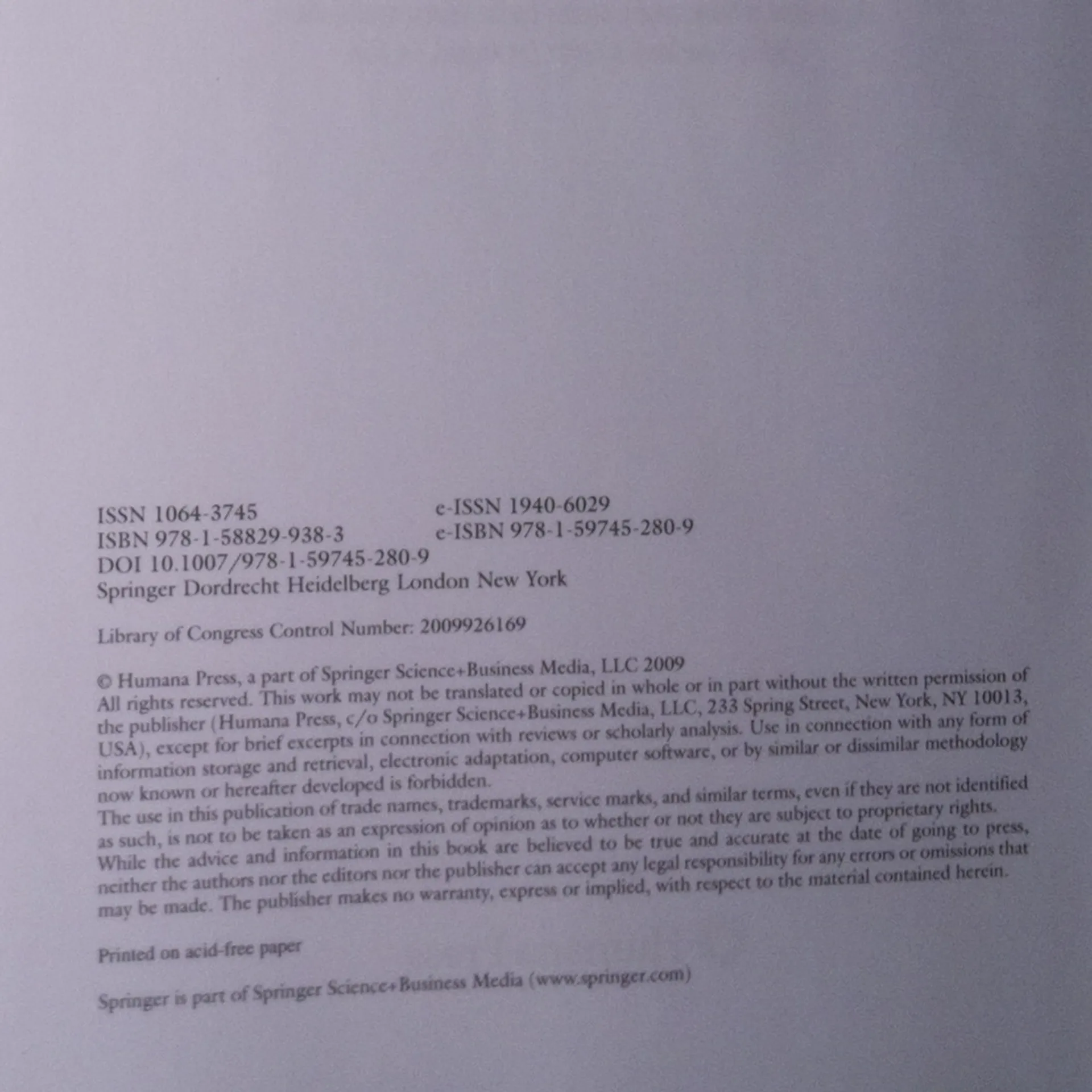
- ISBN10
- 1588299384
- ISBN13
- 9781588299383
- Série
- Kategorie
- Štítky
- Zdraví & Lékařství
- Anotace
- Cancer is a devastating disease that affects millions of people in the world. Our the- pies for tumors have mostly been based on classical chemotherapy and antiproliferative treatments. More recently, directed therapies against a causative oncogene have led to prominent reduction in tumor rates for some cancers. For instance, chronic myelogenous leukemia that is due to a BCR–ABL translocation can be targeted with Gleevec. Despite these advances in individual tumors, a number of patients are treated for their primary tumors and ultimately relapse. Relapsing tumors can be due to resistance to chemotherapy or to antioncogene drugs. Another hypothesis is that heterogeneity in the tumor leads to an inability of classical chemotherapy to completely eradicate all cells of the tumor. This concept of heterogeneity has led some investigators to propose a cancer stem cell model. As patients are treated with chemotherapy, most of the dividing cells are killed, but this leaves a small subset of cells that have the ability to remake the entire tumor. These are cancer stem cells. They possess the signals of self-renewal and yet can also differentiate. If one could understand more about the cells that remain after classical chemotherapy or the cells that can remake the tumor among the heterogeneous population, this information would have a huge impact on our treatment of cancer.