

Více o knize
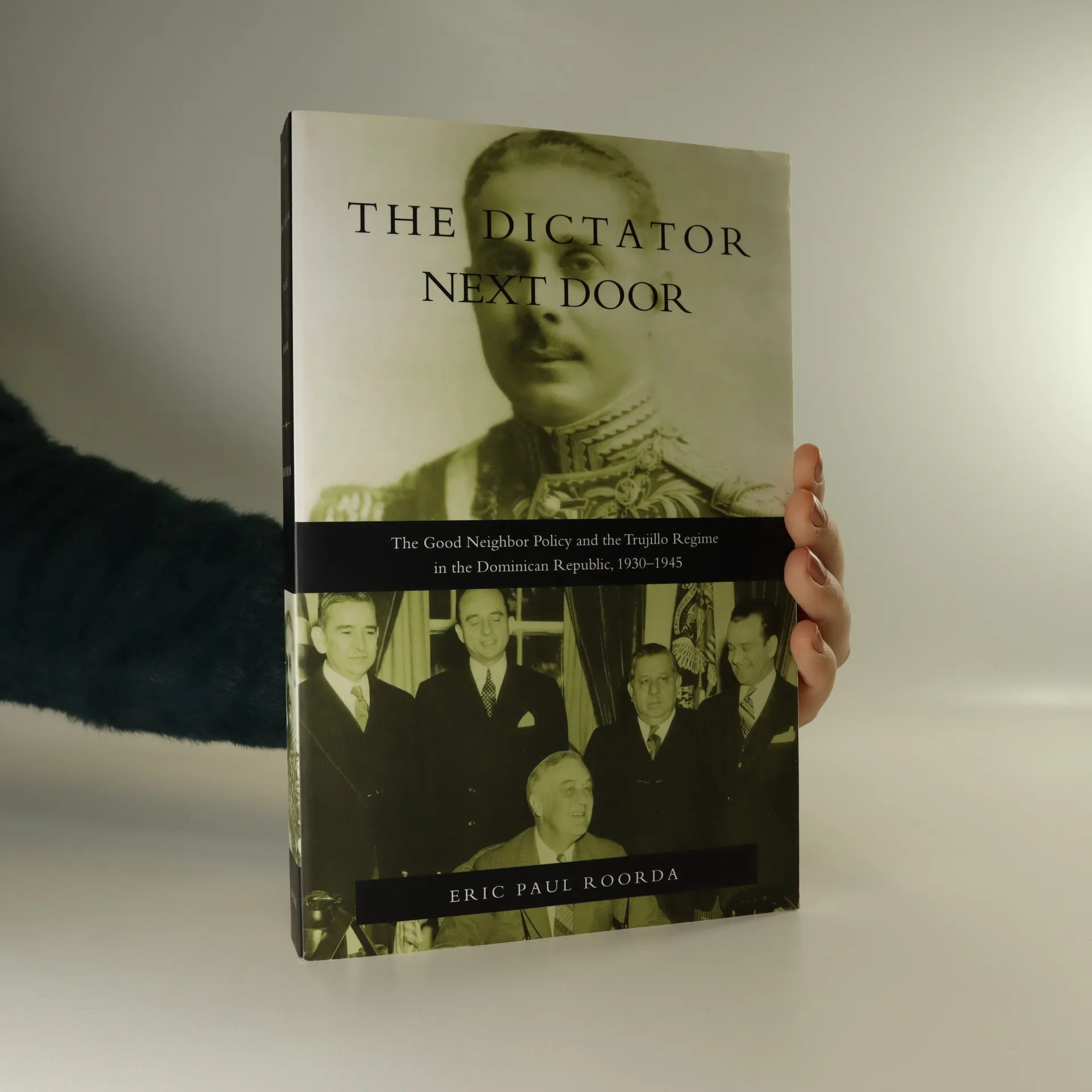
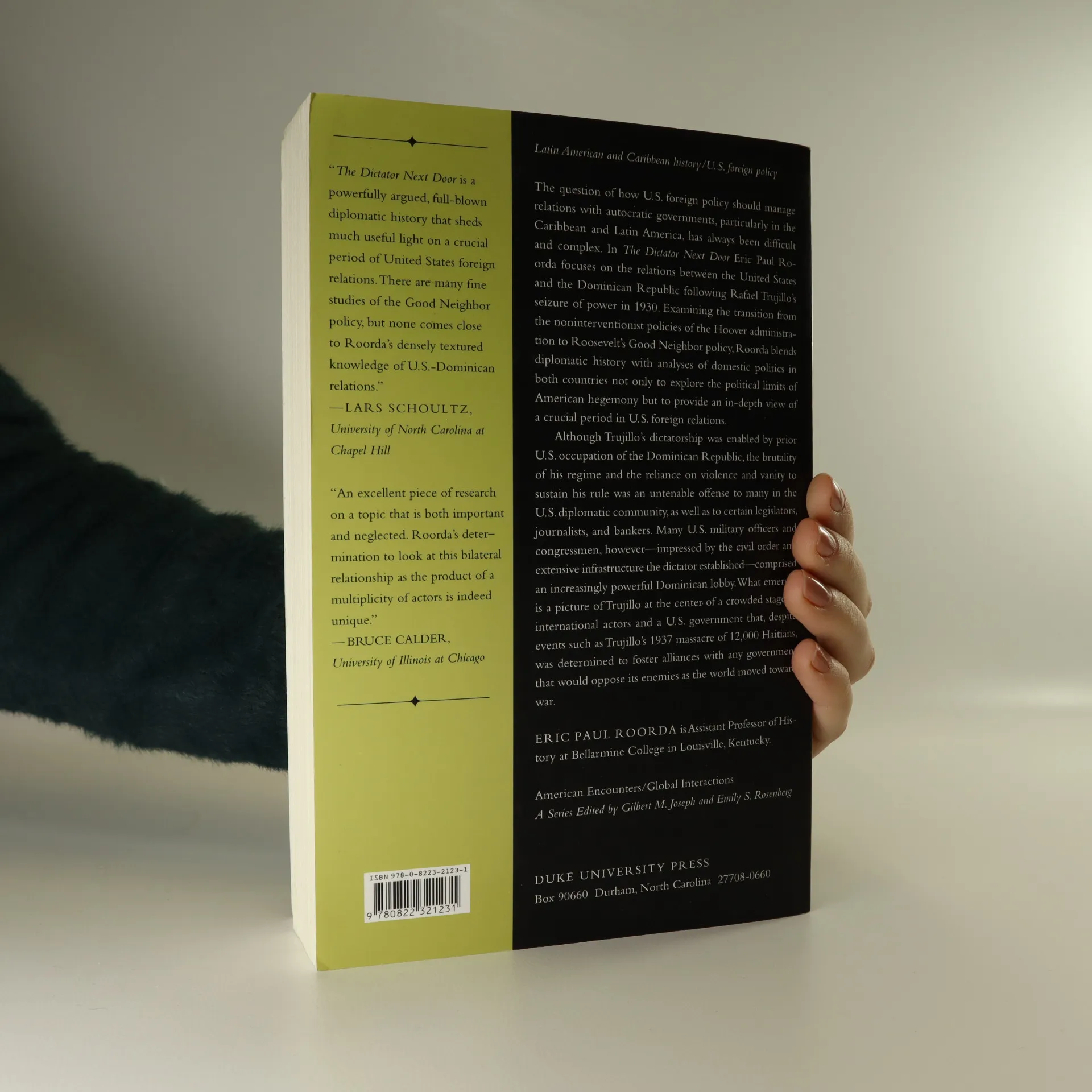
The management of U.S. foreign policy towards autocratic governments, especially in the Caribbean and Latin America, has always been complex. Eric Paul Roorda examines U.S.-Dominican Republic relations following Rafael Trujillo's rise to power in 1930. He explores the shift from Hoover's noninterventionist stance to Roosevelt's Good Neighbor policy, blending diplomatic history with analyses of domestic politics in both nations. This examination reveals the political limits of American hegemony during a pivotal period in U.S. foreign relations. Although Trujillo's regime was supported by prior U.S. occupation, its brutality and reliance on violence were offensive to many in the U.S. diplomatic community, including legislators, journalists, and bankers. Conversely, some U.S. military officers and congressmen, impressed by the civil order and infrastructure Trujillo established, formed a powerful Dominican lobby. Roorda paints a picture of Trujillo at the center of various international actors and a U.S. government eager to ally with any regime opposing its enemies as the world edged toward war. Utilizing untapped records and unpublished materials, he highlights the caution, confusion, and conflicting goals that characterized U.S. relations with Trujillo, setting the stage for the ambivalent Cold War dynamics that continued until Trujillo's assassination in 1961. This work will engage Latin Americanists, historians, political sci
Nákup knihy
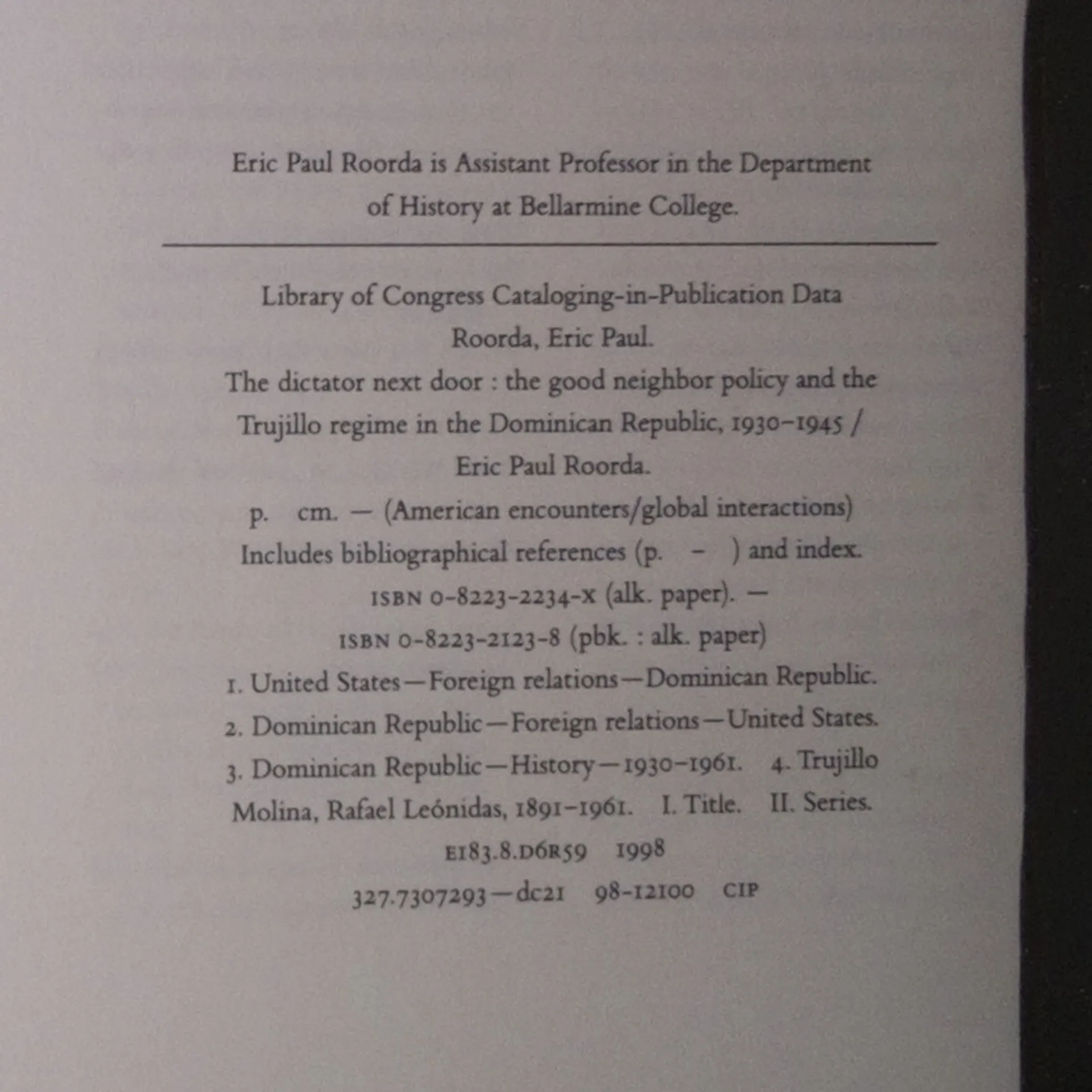
The dictator next door, Eric Roorda
- Jazyk

- Rok vydání
- 1998
Doručení
Platební metody
Tady nám chybí tvá recenze.
- Titul
- The dictator next door
- Jazyk
- anglicky
- Autoři
- Eric Roorda
- Vydavatel
- Duke University Press
- Rok vydání
- 1998
- Počet stran
- 368
- ISBN10
- 082239832X
- ISBN13
- 9780822398325
- Série
- Kategorie
- Štítky
- Historické téma, Politika, 20. století
- Hodnocení
- 4,15 z 5
- Anotace
- The management of U.S. foreign policy towards autocratic governments, especially in the Caribbean and Latin America, has always been complex. Eric Paul Roorda examines U.S.-Dominican Republic relations following Rafael Trujillo's rise to power in 1930. He explores the shift from Hoover's noninterventionist stance to Roosevelt's Good Neighbor policy, blending diplomatic history with analyses of domestic politics in both nations. This examination reveals the political limits of American hegemony during a pivotal period in U.S. foreign relations. Although Trujillo's regime was supported by prior U.S. occupation, its brutality and reliance on violence were offensive to many in the U.S. diplomatic community, including legislators, journalists, and bankers. Conversely, some U.S. military officers and congressmen, impressed by the civil order and infrastructure Trujillo established, formed a powerful Dominican lobby. Roorda paints a picture of Trujillo at the center of various international actors and a U.S. government eager to ally with any regime opposing its enemies as the world edged toward war. Utilizing untapped records and unpublished materials, he highlights the caution, confusion, and conflicting goals that characterized U.S. relations with Trujillo, setting the stage for the ambivalent Cold War dynamics that continued until Trujillo's assassination in 1961. This work will engage Latin Americanists, historians, political sci