

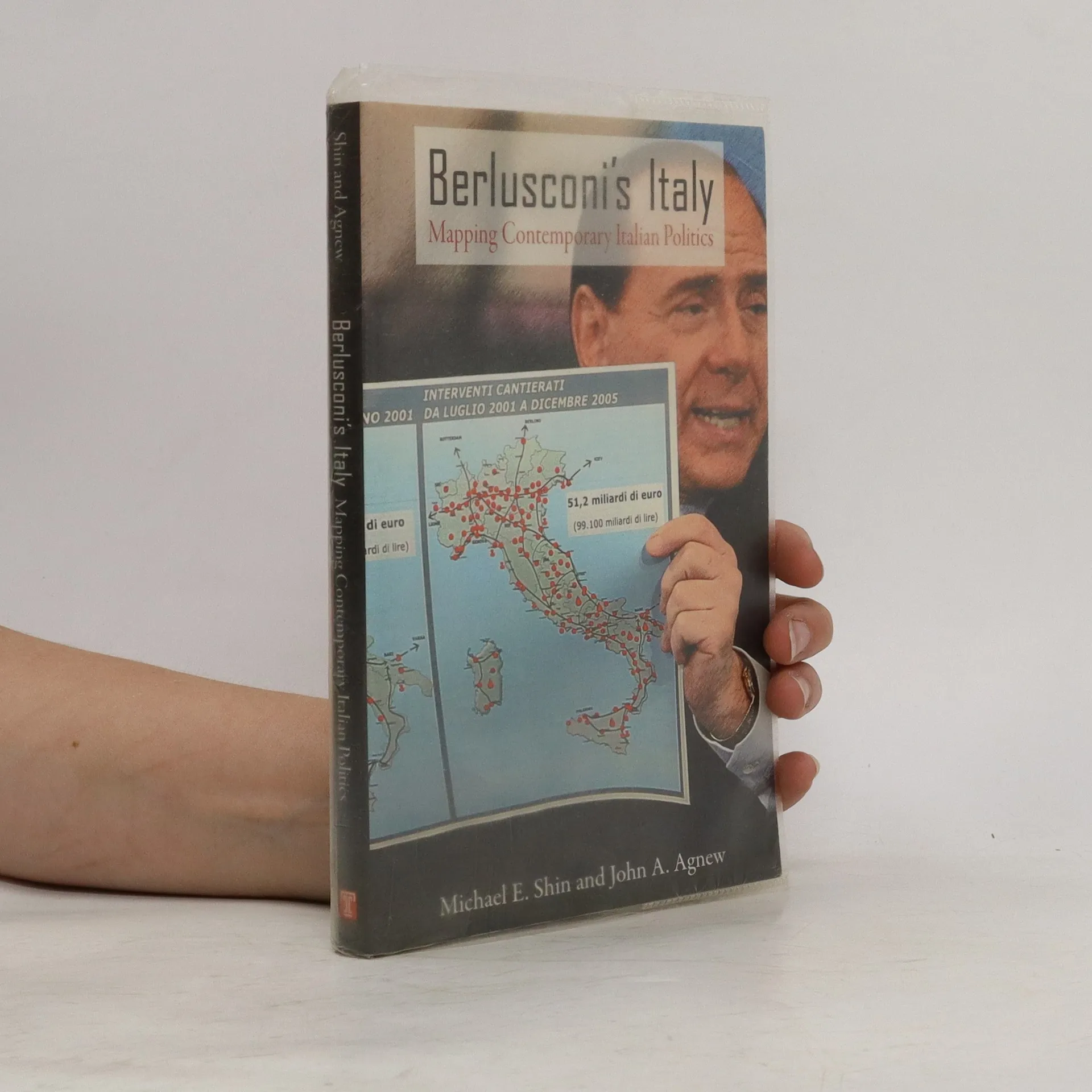

Berlusconi's Italy mapping contemporary Italian politics
Hodnocení knihy
Více o knize
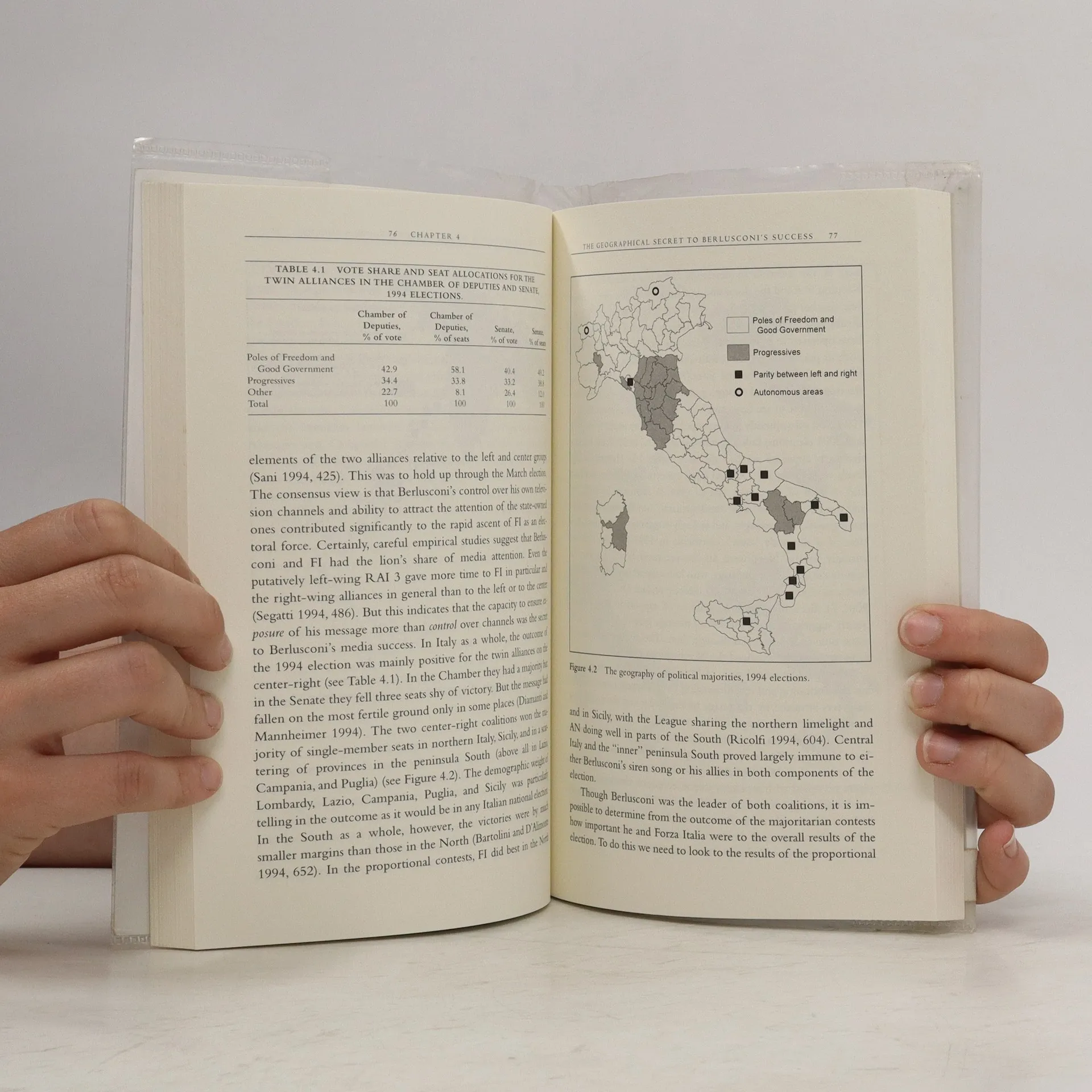
Berlusconi's Italy provides a fresh, thoroughly-informed account of how Italy's richest man came to be its political leader. Without dismissing the importance of personalities and political parties, it emphasizes the significance of changes in voting behaviors that led to the rise-and eventual fall-of Silvio Berlusconi, the millionaire media baron who became Prime Minister. Armed with new data and new analytic tools, Michael Shin and John Agnew use recently developed methods of spatial analysis, to offer a compelling new argument about contextual re-creation and mutation. They reveal that regional politics and shifting geographical voting patterns were far more important to Berlusconi's successes than the widely-credited role of the mass media, and conclude that Berlusconi's success (and later defeat) can be best understood in geographic terms.
Nákup knihy
Berlusconi's Italy mapping contemporary Italian politics, Inc ebrary, John A. Agnew, Michael E (Michael Edward) Shin
- Jazyk

- Rok vydání
- 2008
- Vazba
- (měkká)
Doručení
Platební metody
Tady nám chybí tvá recenze.
- Titul
- Berlusconi's Italy mapping contemporary Italian politics
- Jazyk
- anglicky
- Vydavatel
- 2009.
- Rok vydání
- 2008
- Vazba
- měkká
- Počet stran
- 184
- ISBN10
- 1592137172
- ISBN13
- 9781592137176
- Série
- Štítky
- Politika
- Hodnocení
- 3 z 5
- Anotace
- Berlusconi's Italy provides a fresh, thoroughly-informed account of how Italy's richest man came to be its political leader. Without dismissing the importance of personalities and political parties, it emphasizes the significance of changes in voting behaviors that led to the rise-and eventual fall-of Silvio Berlusconi, the millionaire media baron who became Prime Minister. Armed with new data and new analytic tools, Michael Shin and John Agnew use recently developed methods of spatial analysis, to offer a compelling new argument about contextual re-creation and mutation. They reveal that regional politics and shifting geographical voting patterns were far more important to Berlusconi's successes than the widely-credited role of the mass media, and conclude that Berlusconi's success (and later defeat) can be best understood in geographic terms.