

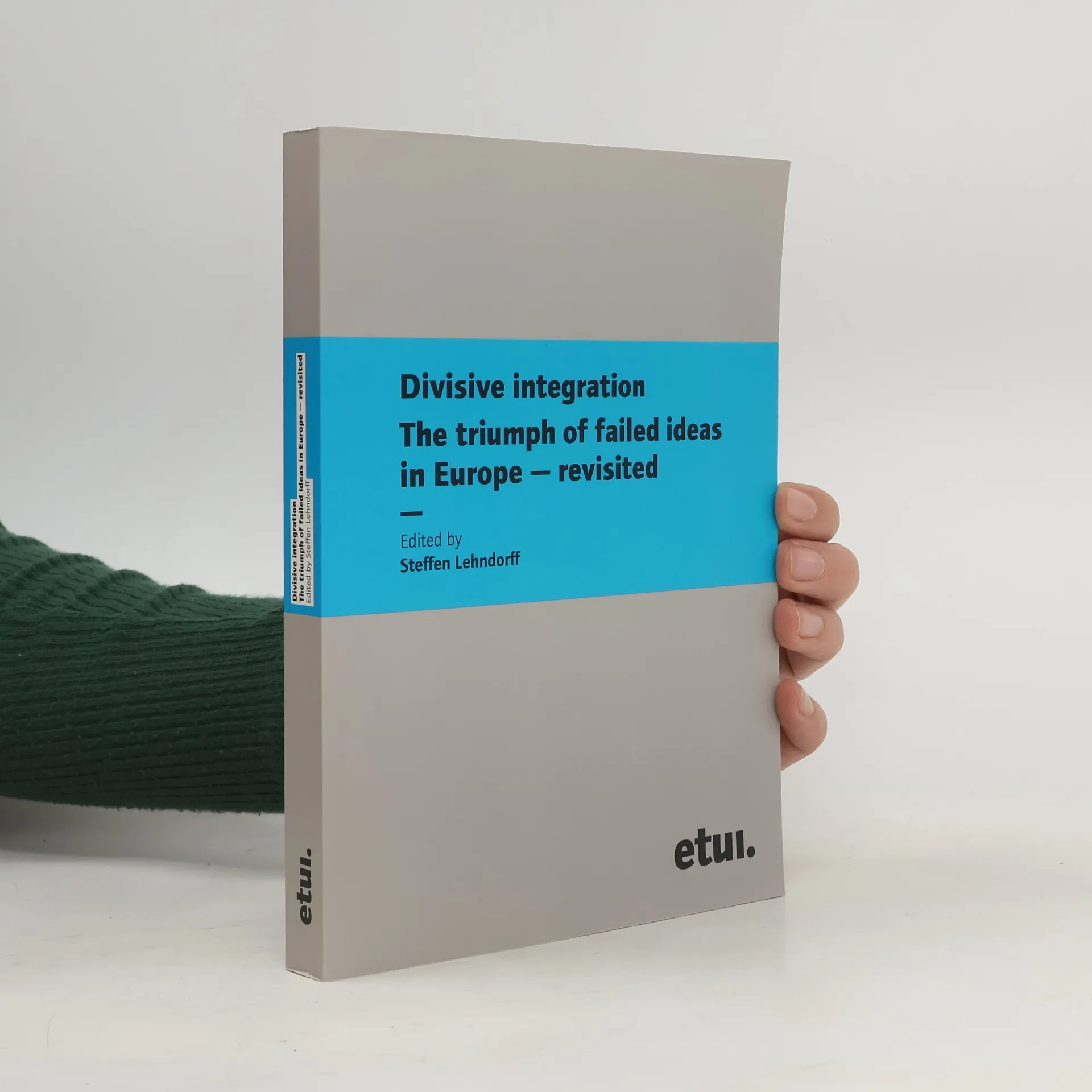


Divisive Integration. The Triumph of Failed Ideas in Europe — Revisited
Autoři
Více o knize
This book is a follow-up to the ETUI 2012 volume 'The triumph of failed ideas'. The focus of the book is the weight attributed to the different economic and social development paths in ten individual EU countries, and their interaction with the austerity regime established at EU level which in fact is deepening the crisis rather than paving ways out of it. The most dangerous implication of this policy approach is, according to this study, that it is driving countries apart - misleadingly in the name of 'Europe', hence the title of the book 'divisive integration'. The main message of the book is that a gradual recovery is possible only if there is a change of course in individual countries that then triggers reactions in the policies of other countries and perturbations at the EU level. However, these changes in individual countries is no longer feasible without a green light or at least toleration from the level of the European institutions.
Nákup knihy
Divisive Integration. The Triumph of Failed Ideas in Europe — Revisited, Steffen Lehndorff
- Jazyk

- Rok vydání
- 2014
- Vazba
- (měkká)
Doručení
Platební metody
Nikdo zatím neohodnotil.
- Titul
- Divisive Integration. The Triumph of Failed Ideas in Europe — Revisited
- Jazyk
- anglicky
- Autoři
- Steffen Lehndorff
- Vydavatel
- Etui
- Rok vydání
- 2014
- Vazba
- měkká
- Počet stran
- 369
- ISBN10
- 2874523321
- ISBN13
- 9782874523328
- Série
- Kategorie
- Štítky
- Byznys, Právní tématika
- Anotace
- This book is a follow-up to the ETUI 2012 volume 'The triumph of failed ideas'. The focus of the book is the weight attributed to the different economic and social development paths in ten individual EU countries, and their interaction with the austerity regime established at EU level which in fact is deepening the crisis rather than paving ways out of it. The most dangerous implication of this policy approach is, according to this study, that it is driving countries apart - misleadingly in the name of 'Europe', hence the title of the book 'divisive integration'. The main message of the book is that a gradual recovery is possible only if there is a change of course in individual countries that then triggers reactions in the policies of other countries and perturbations at the EU level. However, these changes in individual countries is no longer feasible without a green light or at least toleration from the level of the European institutions.