



Skin Control
Více o knize
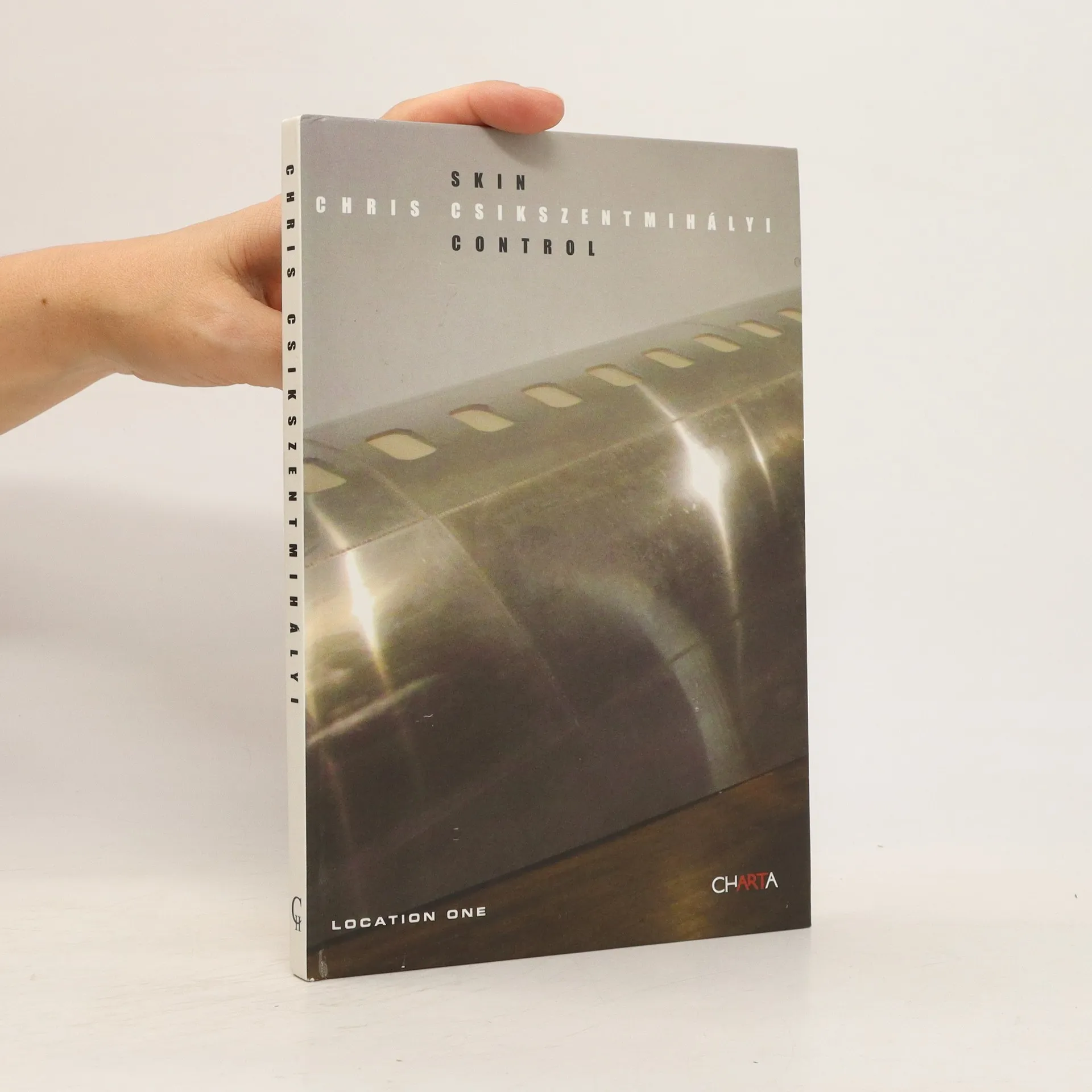
In our digital age, "skin" and "control" evoke, respectively, a program's faceplate screen and the key in the bottom left corner of the keyboard. MIT-based media artist Chris Csikszentmihlyi calls up other, older technological references, to an airplane's exterior and a control panel, with two large-scale installations at New York's Location One. "Skin" is the partial fuselage of a Boeing 737, inside of which viewers can feel the vibrations of a plane in flight and hear the muffled conversations of passengers. "Control" is roughly modeled on panels used in Chernobyl's nuclear reactor, which a viewer can manipulate while also wondering what kind of control he gains by his interaction. The two projects provide a visceral understanding of our dependence on complex technologies and the vulnerability they engender.
Nákup knihy
Skin Control, McKenzie Wark, Chris Csikszentmihályi, Caroline A. Jones
- Jazyk

- Rok vydání
- 2005
- Vazba
- (pevná)
Doručení
Platební metody
Nikdo zatím neohodnotil.
- Titul
- Skin Control
- Jazyk
- anglicky
- Rok vydání
- 2005
- Vazba
- pevná
- Počet stran
- 64
- ISBN10
- 8881585170
- ISBN13
- 9788881585175
- Série
- Kategorie
- Štítky
- Světová literatura
- Anotace
- In our digital age, "skin" and "control" evoke, respectively, a program's faceplate screen and the key in the bottom left corner of the keyboard. MIT-based media artist Chris Csikszentmihlyi calls up other, older technological references, to an airplane's exterior and a control panel, with two large-scale installations at New York's Location One. "Skin" is the partial fuselage of a Boeing 737, inside of which viewers can feel the vibrations of a plane in flight and hear the muffled conversations of passengers. "Control" is roughly modeled on panels used in Chernobyl's nuclear reactor, which a viewer can manipulate while also wondering what kind of control he gains by his interaction. The two projects provide a visceral understanding of our dependence on complex technologies and the vulnerability they engender.