

Více o knize
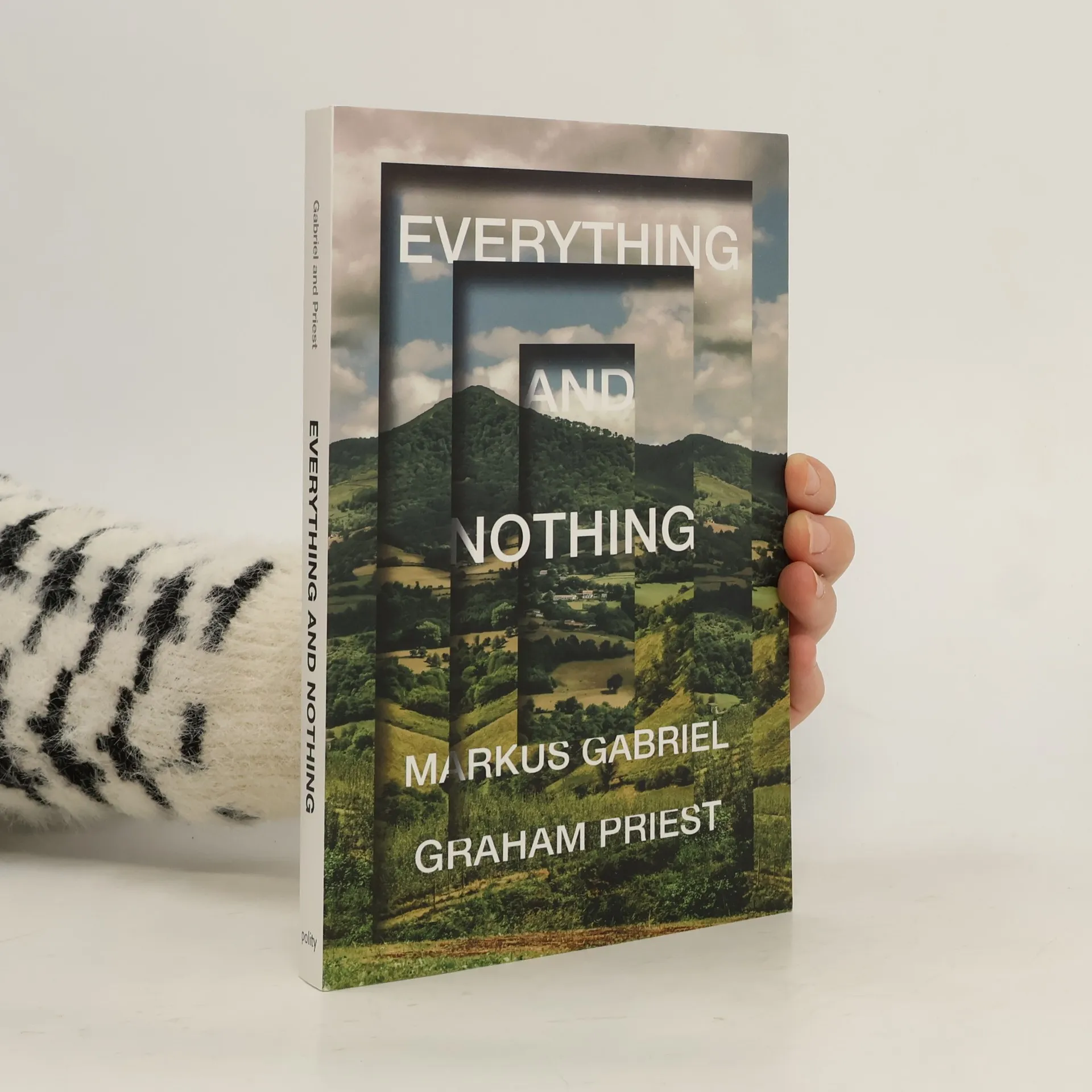
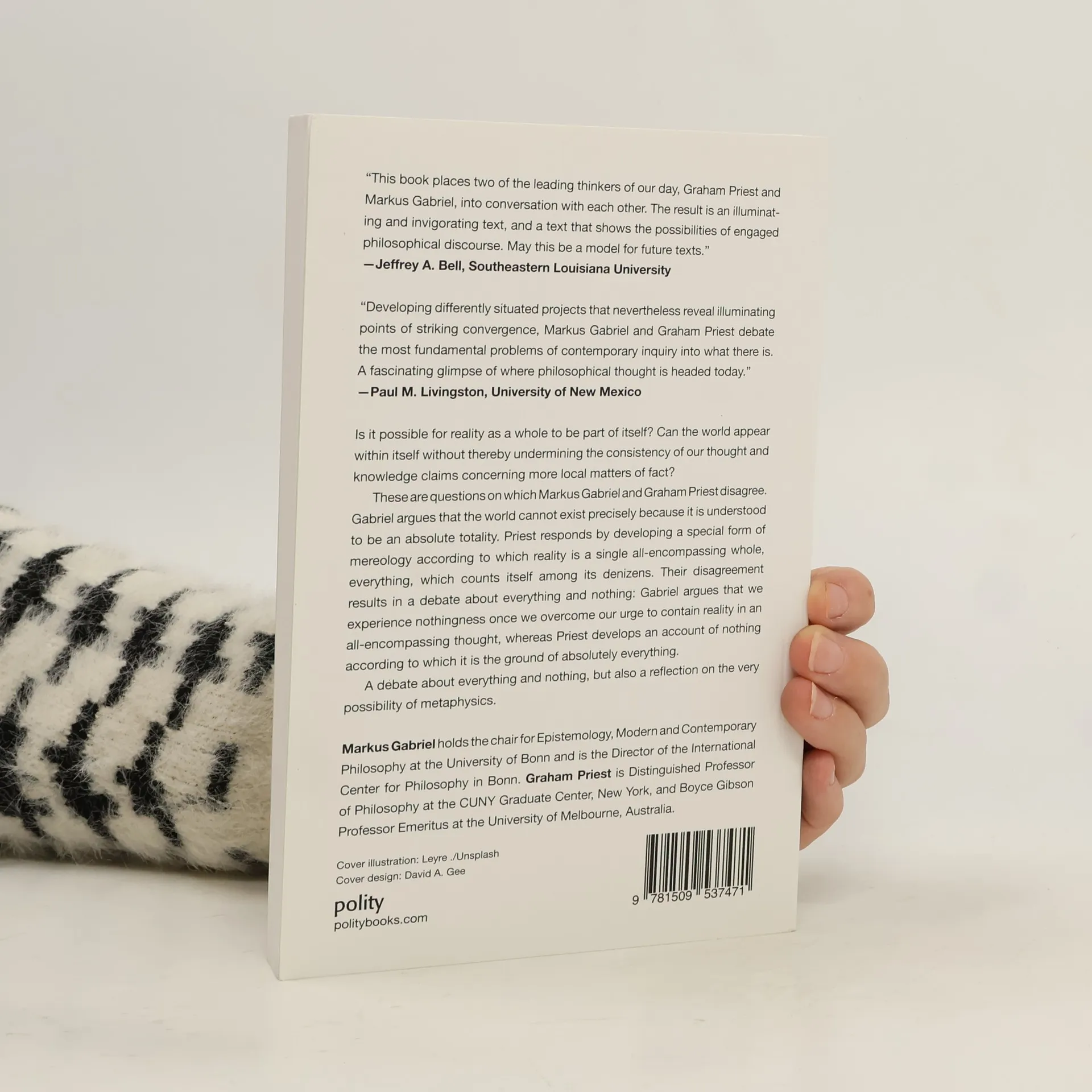
Is it possible for reality as a whole to be part of itself? Can the world appear within itself without thereby undermining the consistency of our thought and knowledge-claims concerning more local matters of fact? This is a question on which Markus Gabriel and Graham Priest disagree. Gabriel argues that the world cannot exist precisely because it is understood to be an absolutely totality. Priest responds by developing a special form of mereology according to which reality is a single all-encompassing whole, everything, which counts itself among its denizens. Their disagreement results in a debate about everything and nothing: Gabriel argues that we experience nothingness once we overcome our urge to contain reality in an all-encompassing thought, whereas Priest develops an account of nothing according to which it is the ground of absolutely everything. A debate about everything and nothing, but also a reflection on the very possibility of metaphysics.
Nákup knihy
Everything and Nothing, Graham Priest
- Jazyk

- Rok vydání
- 2022
- Vazba
- (měkká)
Doručení
Platební metody
Tady nám chybí tvá recenze.
- Titul
- Everything and Nothing
- Jazyk
- anglicky
- Autoři
- Graham Priest
- Vydavatel
- Polity Press
- Rok vydání
- 2022
- Vazba
- měkká
- Počet stran
- 140
- ISBN10
- 1509537473
- ISBN13
- 9781509537471
- Série
- Štítky
- Hodnocení
- 3,8 z 5
- Anotace
- Is it possible for reality as a whole to be part of itself? Can the world appear within itself without thereby undermining the consistency of our thought and knowledge-claims concerning more local matters of fact? This is a question on which Markus Gabriel and Graham Priest disagree. Gabriel argues that the world cannot exist precisely because it is understood to be an absolutely totality. Priest responds by developing a special form of mereology according to which reality is a single all-encompassing whole, everything, which counts itself among its denizens. Their disagreement results in a debate about everything and nothing: Gabriel argues that we experience nothingness once we overcome our urge to contain reality in an all-encompassing thought, whereas Priest develops an account of nothing according to which it is the ground of absolutely everything. A debate about everything and nothing, but also a reflection on the very possibility of metaphysics.