

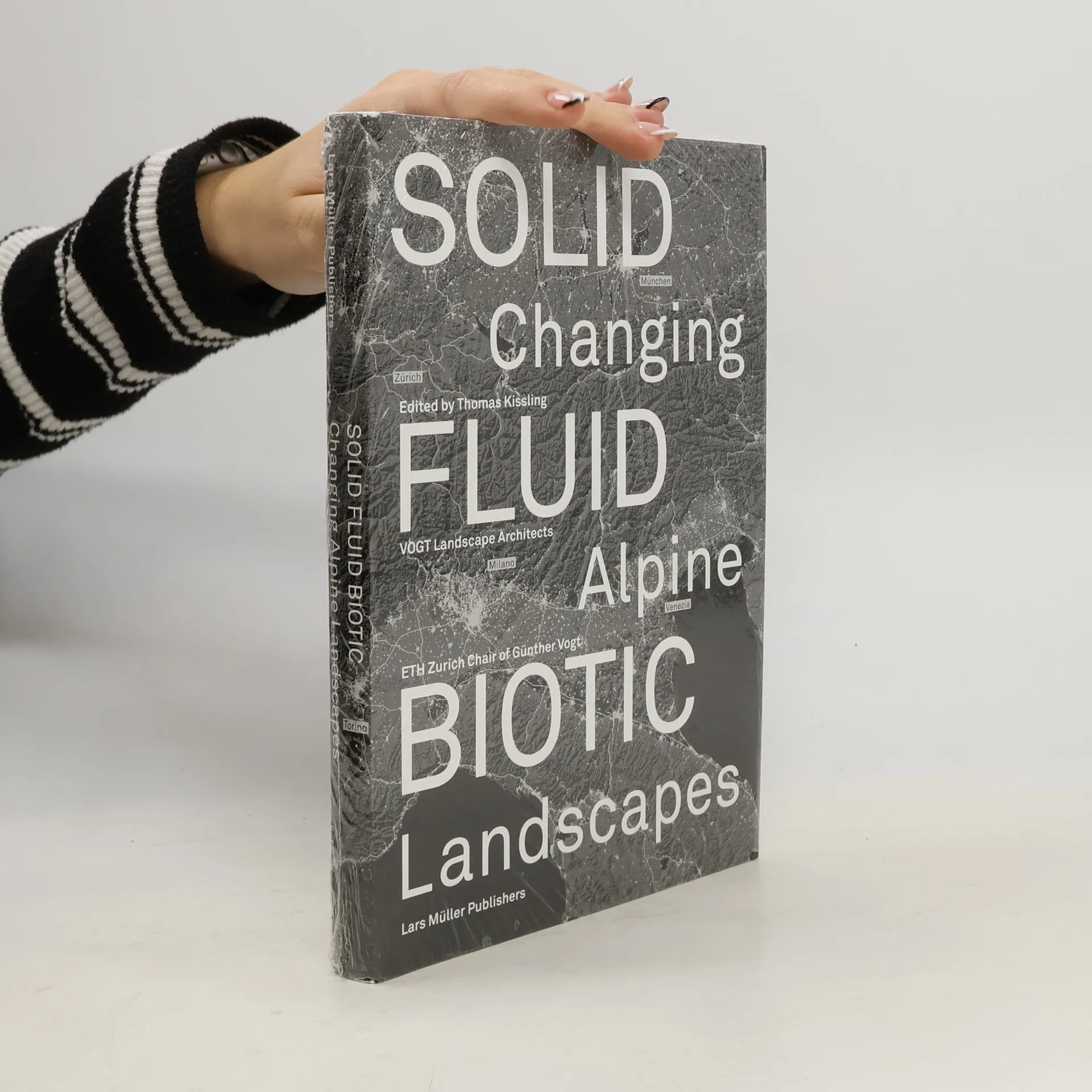
Solid, Fluid, Biotic
Changing Alpine Landscapes
Autoři
Více o knize
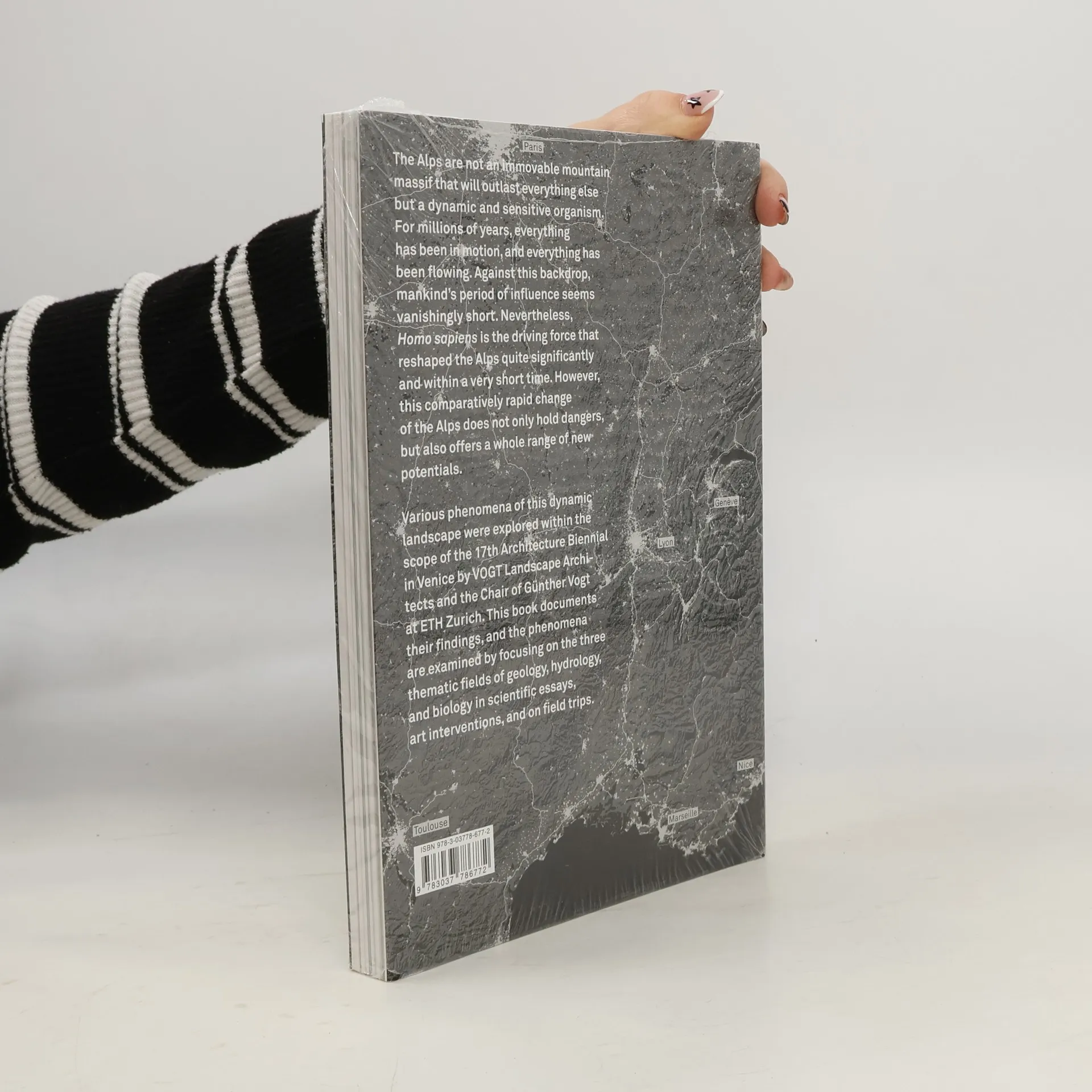
The Alpine region showcases remarkable diversity across various dimensions, shaped not only by its unique topography but also by extensive human cultivation. However, viewing this landscape as a static formation is misleading; the Alps function as a dynamic and sensitive organism. Boundaries are continually crossed and redefined, influenced by natural processes, evolving cultural practices, and the overcoming of topographical challenges. This ongoing transformation allows the Alps to be both internally connected and integrated into the broader European context. Over time, a space has emerged where diverse elements converge and intertwine with local traditions. Yet, this principle of interaction is increasingly threatened by external claims. Additionally, the ways in which humans engage with the landscape have taken on geological significance. At the 17th Venice Architecture Biennale, contributions from Vogt Landscape Architects and the Chair of Günther Vogt at ETH Zurich explore specific manifestations of this dynamic landscape, focusing on hydrological, biological, and geological aspects. The book documents these contributions, supplemented by scientific essays, artistic works, and extensive photographs captured during field trips to the Alps.
Nákup knihy
Solid, Fluid, Biotic, Thomas Kissling
- Jazyk

- Rok vydání
- 2021
- Vazba
- (měkká)
Doručení
Platební metody
Nikdo zatím neohodnotil.
- Titul
- Solid, Fluid, Biotic
- Podtitul
- Changing Alpine Landscapes
- Jazyk
- anglicky
- Autoři
- Thomas Kissling
- Vydavatel
- Lars Müller Publishers
- Rok vydání
- 2021
- Vazba
- měkká
- Počet stran
- 128
- ISBN10
- 3037786779
- ISBN13
- 9783037786772
- Série
- Štítky
- Architektura
- Anotace
- The Alpine region showcases remarkable diversity across various dimensions, shaped not only by its unique topography but also by extensive human cultivation. However, viewing this landscape as a static formation is misleading; the Alps function as a dynamic and sensitive organism. Boundaries are continually crossed and redefined, influenced by natural processes, evolving cultural practices, and the overcoming of topographical challenges. This ongoing transformation allows the Alps to be both internally connected and integrated into the broader European context. Over time, a space has emerged where diverse elements converge and intertwine with local traditions. Yet, this principle of interaction is increasingly threatened by external claims. Additionally, the ways in which humans engage with the landscape have taken on geological significance. At the 17th Venice Architecture Biennale, contributions from Vogt Landscape Architects and the Chair of Günther Vogt at ETH Zurich explore specific manifestations of this dynamic landscape, focusing on hydrological, biological, and geological aspects. The book documents these contributions, supplemented by scientific essays, artistic works, and extensive photographs captured during field trips to the Alps.