

Více o knize
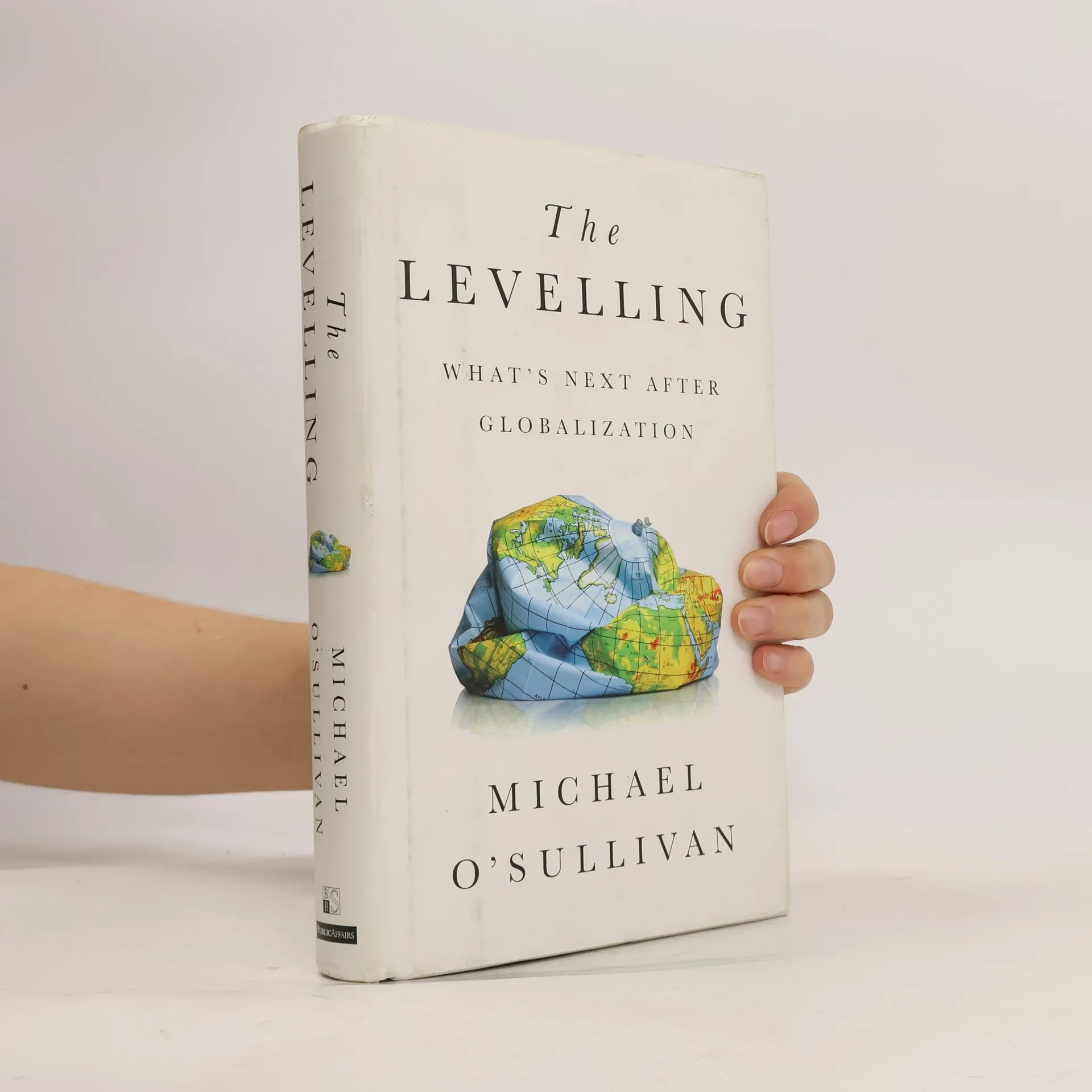
This insightful analysis explores the transition in global economics, finance, and power as the era of globalization concludes, giving rise to new centers of influence. The current moment resembles the fall of communism, where the focus was on the collapse rather than the broader trend of globalization that followed. While globalization has facilitated the movement of money, people, ideas, and trade, it has also led to stark disparities, marked by wealth inequality, rising debt, political stagnation, and economic imbalances. These issues, described as "the levelling," signal a significant shift in wealth distribution between rich and poor nations, power dynamics among countries, and the accountability of political elites to the populace. O'Sullivan emphasizes the need for new, practical solutions to address challenges like political unrest, sluggish economic growth, and the effective functioning of financial systems. This work is particularly relevant as it examines the changing role of the US in a world where its influence is waning, raising critical questions about its economic model, societal health, and the stability of public life. The analysis serves as a crucial guide to understanding the complexities of this pivotal period in global history.
Nákup knihy
The Levelling, Lina Litanischwili
- Jazyk

- Rok vydání
- 2019
- Vazba
- (pevná)
Doručení
Platební metody
Tady nám chybí tvá recenze.
- Titul
- The Levelling
- Jazyk
- anglicky
- Autoři
- Lina Litanischwili
- Vydavatel
- Hachette Book Group USA
- Rok vydání
- 2019
- Vazba
- pevná
- Počet stran
- 368
- ISBN10
- 1541724062
- ISBN13
- 9781541724068
- Série
- Kategorie
- Štítky
- Byznys
- Hodnocení
- 3,4 z 5
- Anotace
- This insightful analysis explores the transition in global economics, finance, and power as the era of globalization concludes, giving rise to new centers of influence. The current moment resembles the fall of communism, where the focus was on the collapse rather than the broader trend of globalization that followed. While globalization has facilitated the movement of money, people, ideas, and trade, it has also led to stark disparities, marked by wealth inequality, rising debt, political stagnation, and economic imbalances. These issues, described as "the levelling," signal a significant shift in wealth distribution between rich and poor nations, power dynamics among countries, and the accountability of political elites to the populace. O'Sullivan emphasizes the need for new, practical solutions to address challenges like political unrest, sluggish economic growth, and the effective functioning of financial systems. This work is particularly relevant as it examines the changing role of the US in a world where its influence is waning, raising critical questions about its economic model, societal health, and the stability of public life. The analysis serves as a crucial guide to understanding the complexities of this pivotal period in global history.