

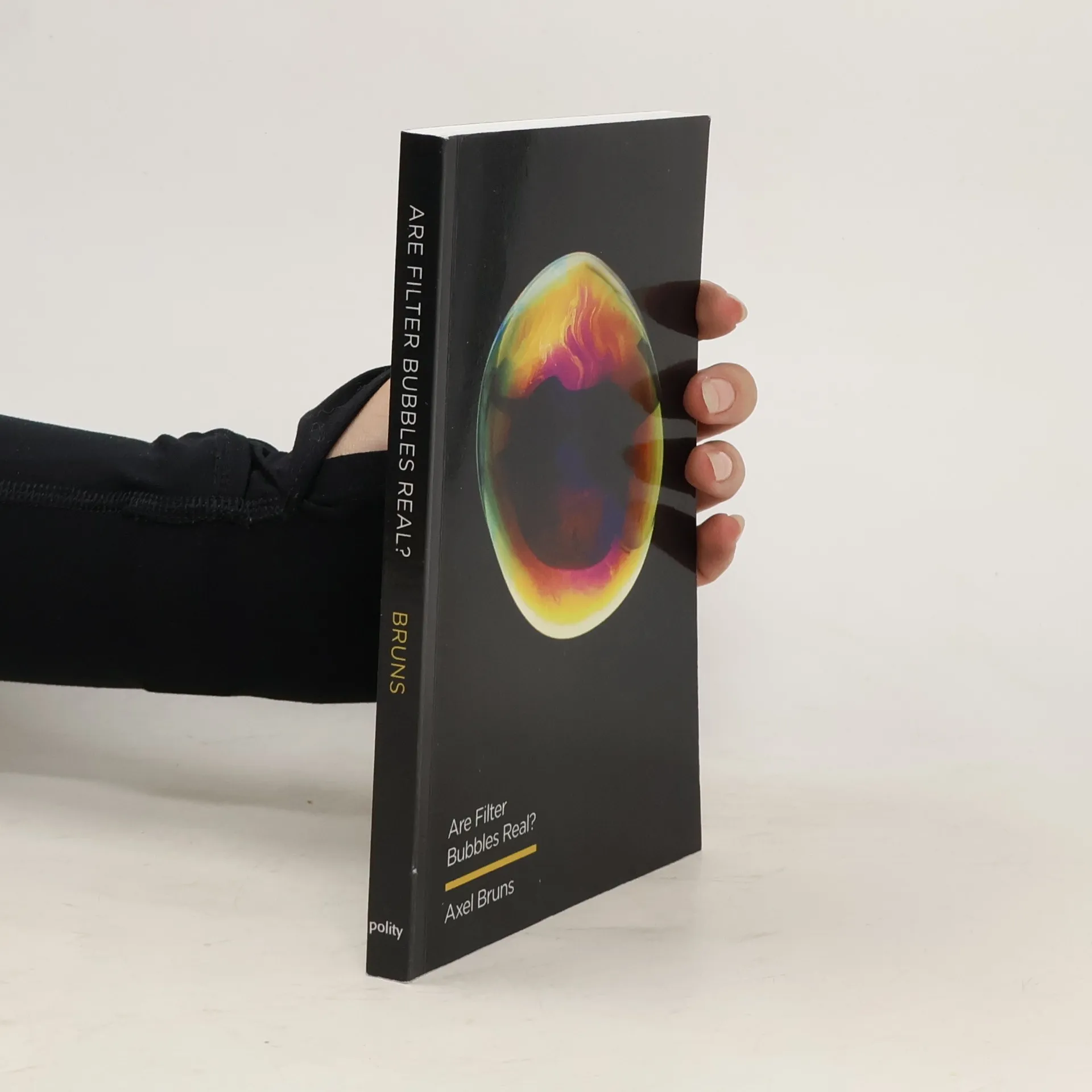
Více o knize
There has been much concern over the impact of partisan echo chambers and filter bubbles on public debate. Is this concern justified, or is it distracting us from more serious issues? Axel Bruns argues that the influence of echo chambers and filter bubbles has been severely overstated, and results from a broader moral panic about the role of online and social media in society. Our focus on these concepts, and the widespread tendency to blame platforms and their algorithms for political disruptions, obscure far more serious issues pertaining to the rise of populism and hyperpolarisation in democracies. Evaluating the evidence for and against echo chambers and filter bubbles, Bruns offers a persuasive argument for why we should shift our focus to more important problems. This timely book is essential reading for students and scholars, as well as anyone concerned about challenges to public debate and the democratic process.
Nákup knihy
Are Filter Bubbles Real?, Axel Bruns
- Jazyk

- Rok vydání
- 2019
- Vazba
- (měkká)
Doručení
Platební metody
Tady nám chybí tvá recenze.
- Titul
- Are Filter Bubbles Real?
- Jazyk
- anglicky
- Autoři
- Axel Bruns
- Vydavatel
- Wiley John + Sons
- Rok vydání
- 2019
- Vazba
- měkká
- Počet stran
- 160
- ISBN10
- 1509536450
- ISBN13
- 9781509536450
- Série
- Štítky
- Politika, Dárky pro dědu
- Hodnocení
- 3,5 z 5
- Anotace
- There has been much concern over the impact of partisan echo chambers and filter bubbles on public debate. Is this concern justified, or is it distracting us from more serious issues? Axel Bruns argues that the influence of echo chambers and filter bubbles has been severely overstated, and results from a broader moral panic about the role of online and social media in society. Our focus on these concepts, and the widespread tendency to blame platforms and their algorithms for political disruptions, obscure far more serious issues pertaining to the rise of populism and hyperpolarisation in democracies. Evaluating the evidence for and against echo chambers and filter bubbles, Bruns offers a persuasive argument for why we should shift our focus to more important problems. This timely book is essential reading for students and scholars, as well as anyone concerned about challenges to public debate and the democratic process.