




Více o knize
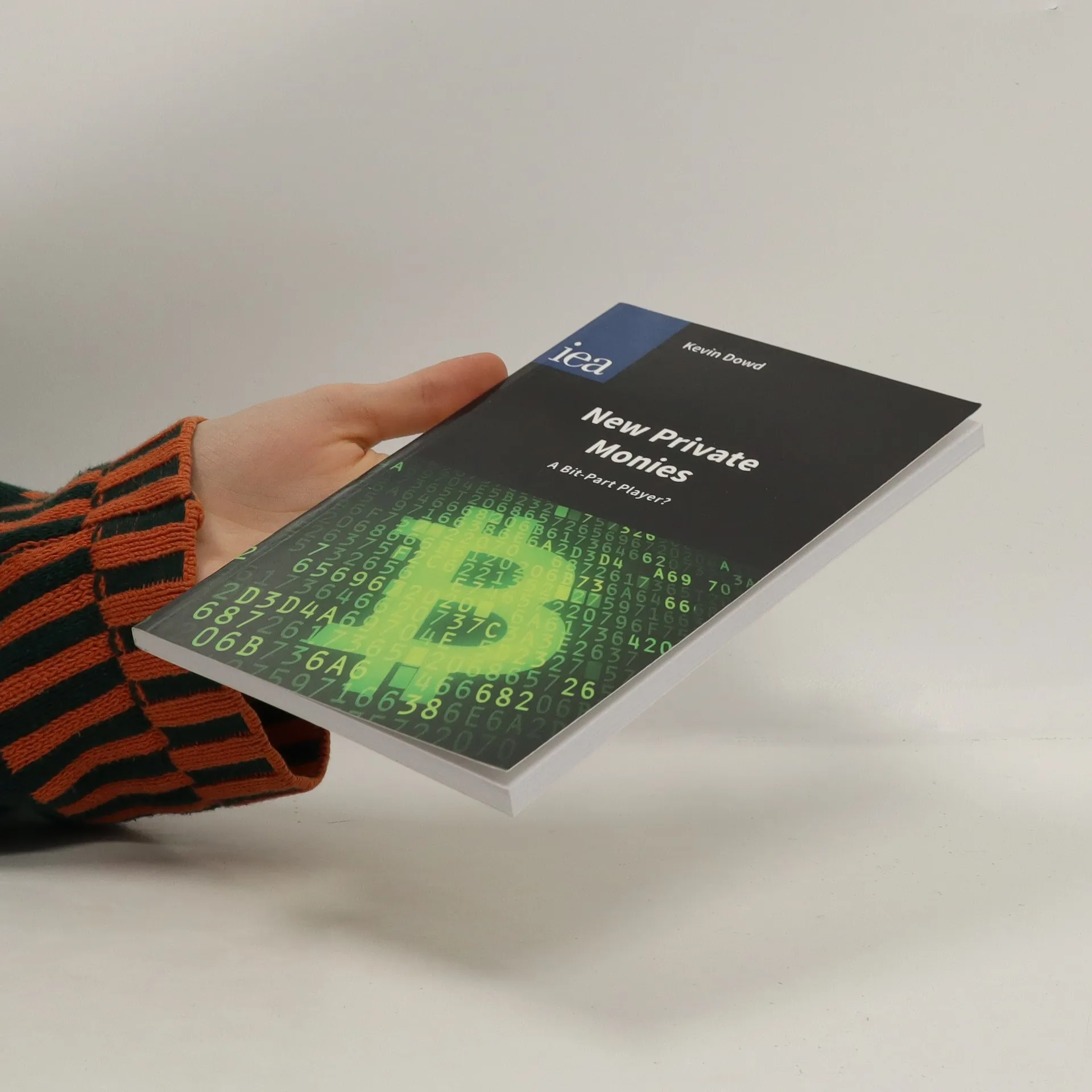
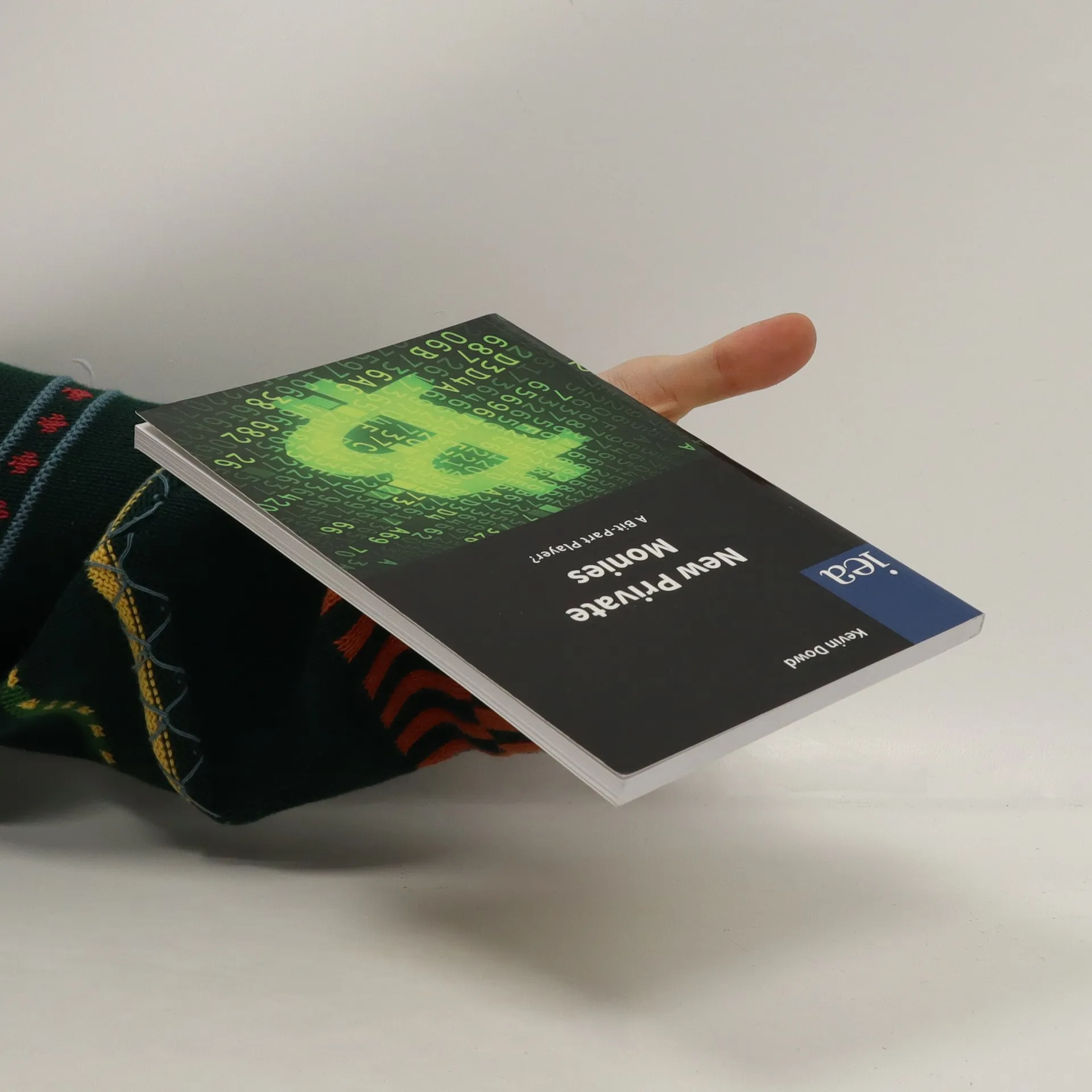
New forms of private money regularly hit the newspaper headlines, however, there is relatively little discussion of whether such innovations will last the pace and perform effectively the functions that we expect of money. This monograph, by one of the leading scholars in the field of private money and free banking, examines new innovations such as Bitcoin, the Liberty Dollar and e-gold. Noting that competition in this field is welcome given the lamentable history of state money, which has seen its purchasing power shrink greatly over the years, this book also concludes that new monies face many challenges. Some of those challenges relate to the nature of the private monies themselves while other challenges come from law enforcement agencies that are determined to prevent competition with state money. Outlining the regulatory and legal changes that will be necessary if beneficial innovation is to thrive, the work also discusses how developments in private money are part of a more general movement among people who wish to reduce the role of the state in their lives.
Nákup knihy
New Private Monies : a Bit-Part Player?, Kevin Dowd
- Jazyk

- Rok vydání
- 2014
- Vazba
- (měkká)
Doručení
Platební metody
Tady nám chybí tvá recenze.
- Titul
- New Private Monies : a Bit-Part Player?
- Jazyk
- anglicky
- Autoři
- Kevin Dowd
- Vydavatel
- Institute of Economic Affairs
- Rok vydání
- 2014
- Vazba
- měkká
- Počet stran
- 94
- ISBN10
- 0255366949
- ISBN13
- 9780255366946
- Série
- Štítky
- Byznys
- Hodnocení
- 4,4 z 5
- Anotace
- New forms of private money regularly hit the newspaper headlines, however, there is relatively little discussion of whether such innovations will last the pace and perform effectively the functions that we expect of money. This monograph, by one of the leading scholars in the field of private money and free banking, examines new innovations such as Bitcoin, the Liberty Dollar and e-gold. Noting that competition in this field is welcome given the lamentable history of state money, which has seen its purchasing power shrink greatly over the years, this book also concludes that new monies face many challenges. Some of those challenges relate to the nature of the private monies themselves while other challenges come from law enforcement agencies that are determined to prevent competition with state money. Outlining the regulatory and legal changes that will be necessary if beneficial innovation is to thrive, the work also discusses how developments in private money are part of a more general movement among people who wish to reduce the role of the state in their lives.