

Více o knize
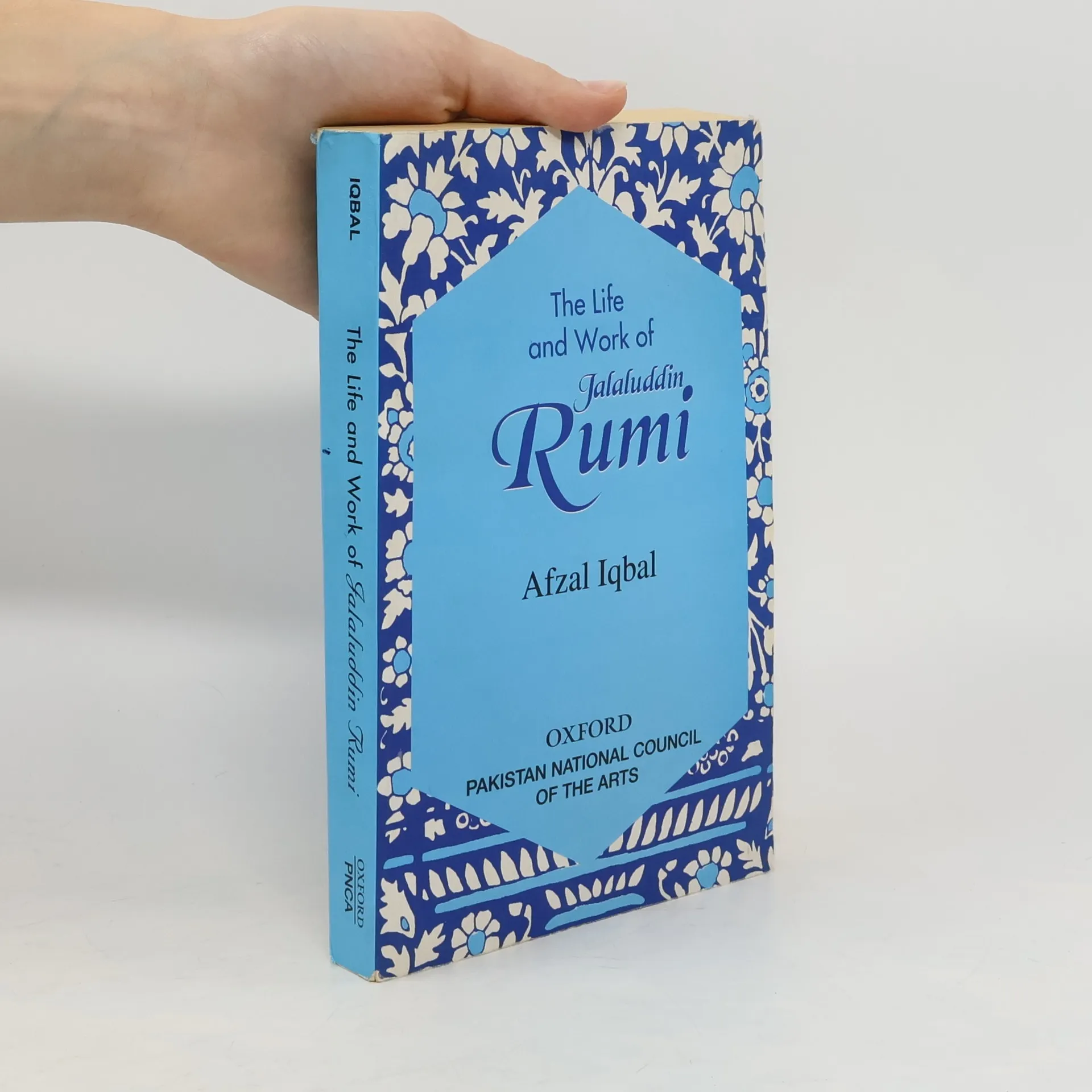
Rumi is perhaps the only example in world literature of a devoted prose writer who suddenly burst forth into poetry during middle age to become a truly great mystical poet for all time. This book, a long-overdue reckoning of his life and work, begins with a description and examination of the living conditions in 13th-century Persia. Building on this context, Afzal Iqbal proceeds to fully analyze the formative period of Rumi's life leading up to 1261--when he began the monumental work of writing the Mathnawi. Toward the end of the book, Iqbal more generally investigates Rumi's thought and includes translations of those portions of the Mathnawi that have been hitherto unavailable in English. Combining an unparalleled familiarity with the source material, a total and critical understanding of the subject, and a powerful and readable prose style, this is an extraordinary study of a truly remarkable poet and mystic.
Nákup knihy
The Life and Work of Jalaluddin Rumi, Afzal Iqbal
- Jazyk

- Rok vydání
- 1999
- Vazba
- (měkká)
Doručení
Platební metody
Tady nám chybí tvá recenze.
- Titul
- The Life and Work of Jalaluddin Rumi
- Jazyk
- anglicky
- Autoři
- Afzal Iqbal
- Vydavatel
- Oxford University Press, USA
- Rok vydání
- 1999
- Vazba
- měkká
- Počet stran
- 360
- ISBN10
- 0195790677
- ISBN13
- 9780195790672
- Série
- Kategorie
- Hodnocení
- 4,3 z 5
- Anotace
- Rumi is perhaps the only example in world literature of a devoted prose writer who suddenly burst forth into poetry during middle age to become a truly great mystical poet for all time. This book, a long-overdue reckoning of his life and work, begins with a description and examination of the living conditions in 13th-century Persia. Building on this context, Afzal Iqbal proceeds to fully analyze the formative period of Rumi's life leading up to 1261--when he began the monumental work of writing the Mathnawi. Toward the end of the book, Iqbal more generally investigates Rumi's thought and includes translations of those portions of the Mathnawi that have been hitherto unavailable in English. Combining an unparalleled familiarity with the source material, a total and critical understanding of the subject, and a powerful and readable prose style, this is an extraordinary study of a truly remarkable poet and mystic.