



Více o knize
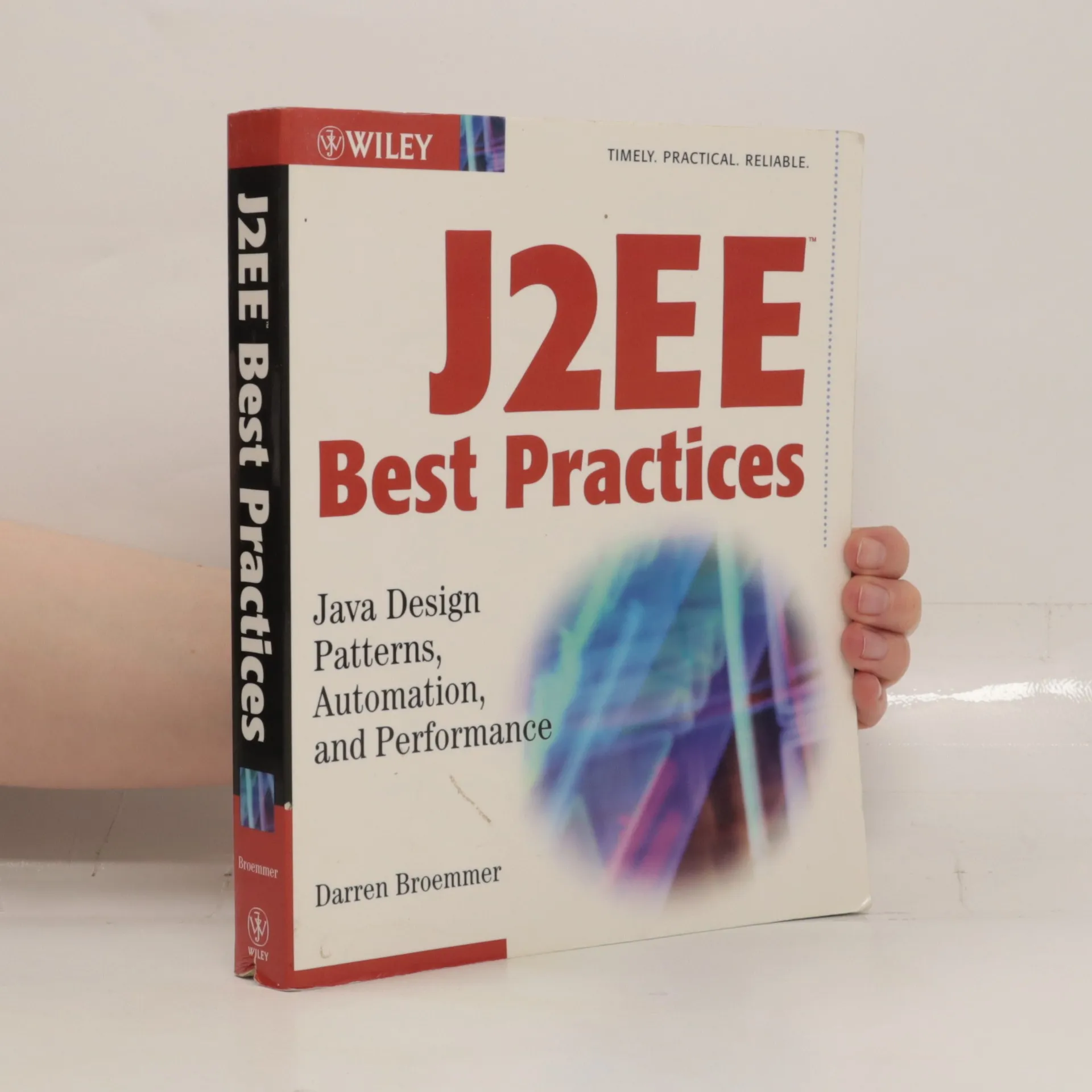
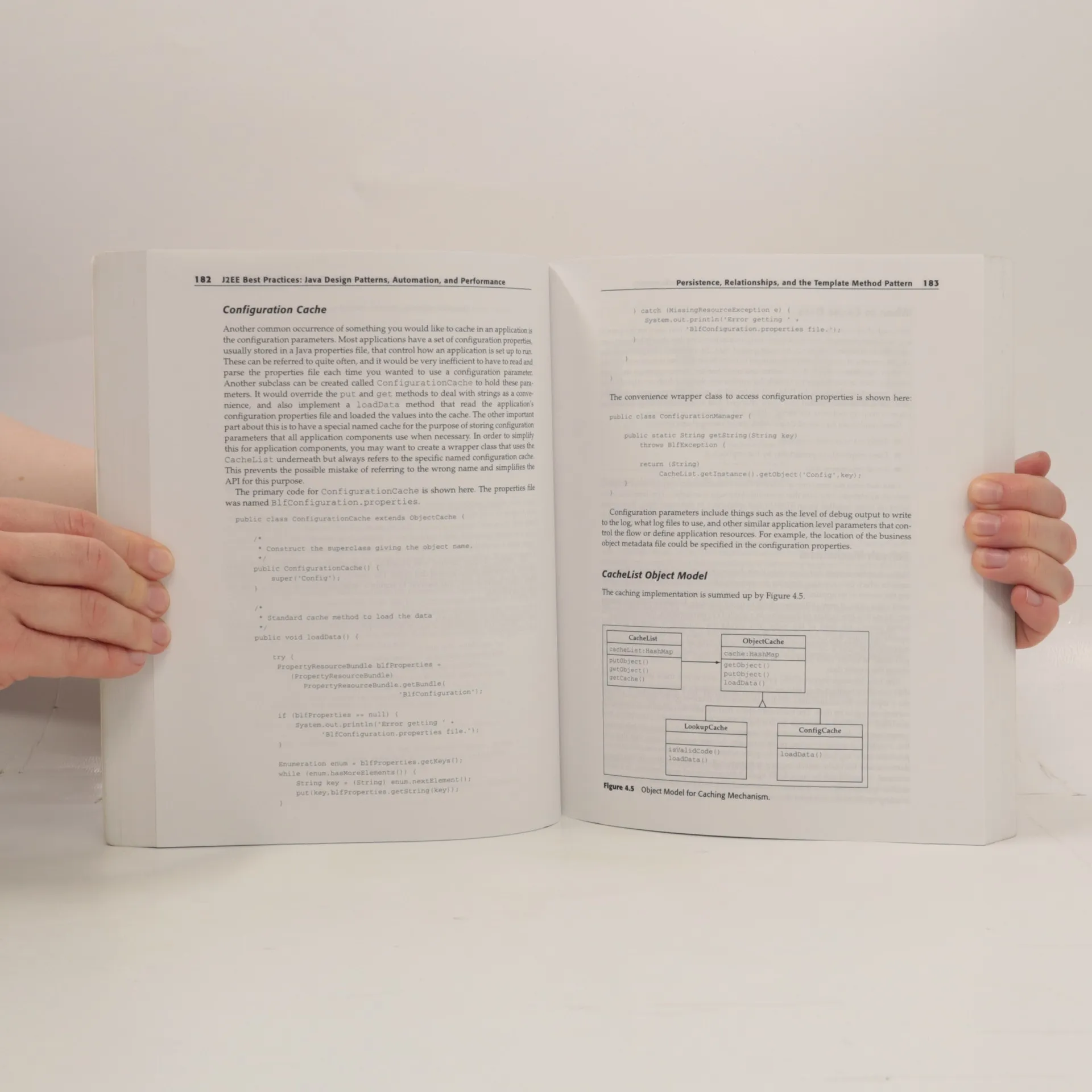
Discover how to effectively apply robust application design to your J2EE projects by following essential best practices for building and integrating J2EE components. This guide provides a comprehensive set of best practices for J2EE development, leading you to construct a reference architecture based on guiding principles that optimize and automate the development process. The author delves into the latest technologies for J2EE implementation, including EJB 2, Jakarta Struts, Servlets, Java Server Pages, UML, design patterns, and XML. Key topics include understanding J2EE application architecture, building business applications with a business object architecture and extensible components, designing a sample banking Web application, and integrating performance-engineering practices. Additionally, it covers the use of metadata-driven, configurable foundation components to streamline the development and processing of Web-based business applications. A companion website offers source code for a Common Business Logic Foundation and sample applications, including a Jakarta Struts project and a banking application, along with links to relevant frameworks and J2EE application servers like BEA WebLogic and IBM WebSphere.
Nákup knihy
J2EE Best Practices, Darren Broemmer
- Jazyk

- Rok vydání
- 2002
- Vazba
- (měkká)
Doručení
Platební metody
Tady nám chybí tvá recenze.
- Titul
- J2EE Best Practices
- Jazyk
- anglicky
- Autoři
- Darren Broemmer
- Vydavatel
- WILEY
- Rok vydání
- 2002
- Vazba
- měkká
- Počet stran
- 480
- ISBN10
- 0471228850
- ISBN13
- 9780471228851
- Série
- Štítky
- Hodnocení
- 4 z 5
- Anotace
- Discover how to effectively apply robust application design to your J2EE projects by following essential best practices for building and integrating J2EE components. This guide provides a comprehensive set of best practices for J2EE development, leading you to construct a reference architecture based on guiding principles that optimize and automate the development process. The author delves into the latest technologies for J2EE implementation, including EJB 2, Jakarta Struts, Servlets, Java Server Pages, UML, design patterns, and XML. Key topics include understanding J2EE application architecture, building business applications with a business object architecture and extensible components, designing a sample banking Web application, and integrating performance-engineering practices. Additionally, it covers the use of metadata-driven, configurable foundation components to streamline the development and processing of Web-based business applications. A companion website offers source code for a Common Business Logic Foundation and sample applications, including a Jakarta Struts project and a banking application, along with links to relevant frameworks and J2EE application servers like BEA WebLogic and IBM WebSphere.