





Více o knize
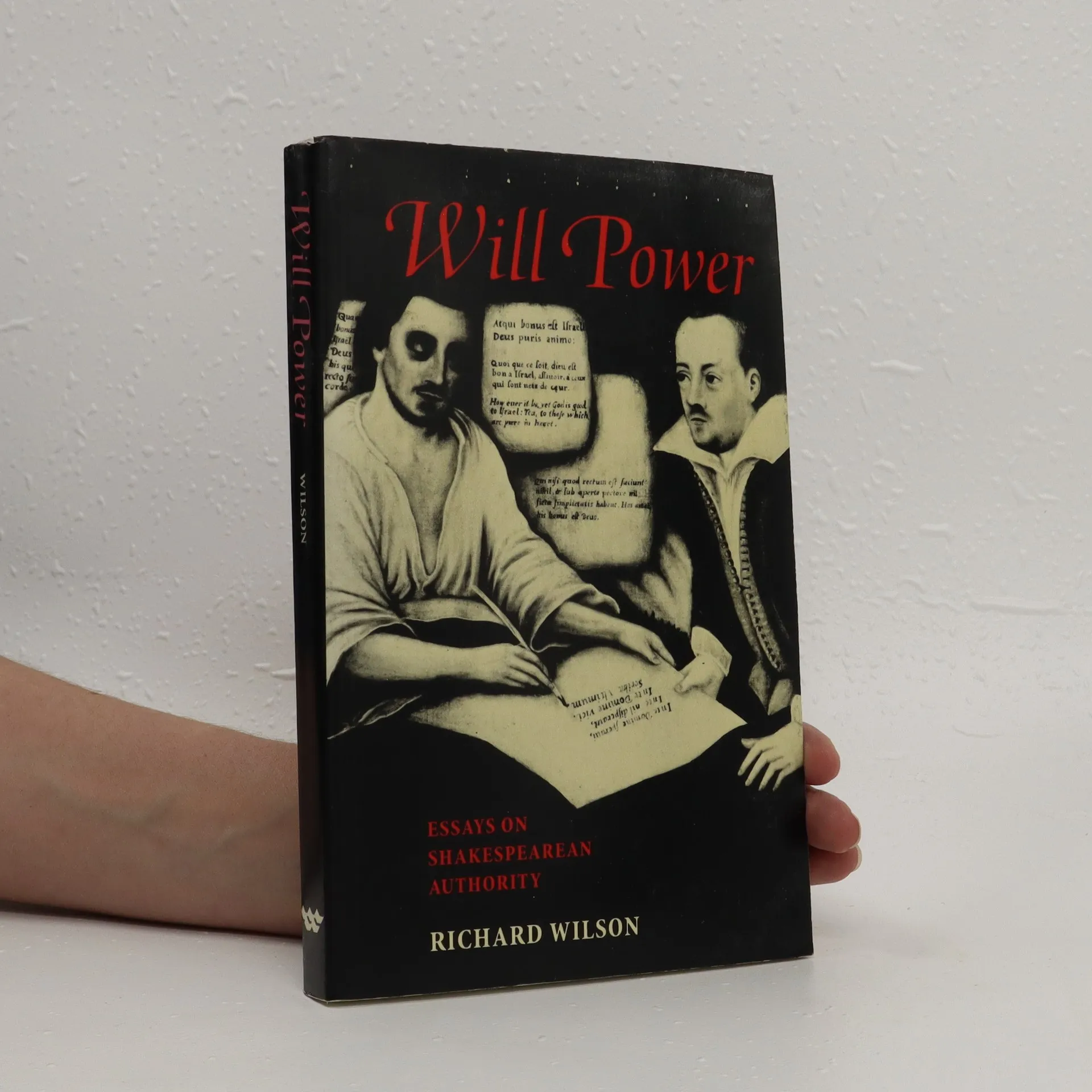
Shakespeare predicted neither palaces nor princes would outlast his "powerful rhyme." In Will Power, Richard Wilson considers the factors that charged Shakespearean literature with such force.This volume presents a wide-ranging historical background and sets the terms of contemporary Shakespeare criticism in the context of developments in philosophy, economics, and cultural theory. In a sequence of close readings of the entire range of plays, Wilson locates their social logic in relation to practices such as execution, electioneering, enclosure, childbirth, death, and the writing of wills. His two points of reference are the large Foucauldian argument about the institutional changes in Early Modern Europe that were connected with the formation of the modern state and conceptions of private property and subjectivity, and the specifics of social life and the particularism of local contexts that give us a more historically embedded Shakespeare.
Nákup knihy
Will power : essays on Shakespearean authority, Richard Wilson
- Jazyk

- Rok vydání
- 1993
- Vazba
- (měkká)
Doručení
Platební metody
Tady nám chybí tvá recenze.
- Titul
- Will power : essays on Shakespearean authority
- Jazyk
- anglicky
- Autoři
- Richard Wilson
- Vydavatel
- Wayne State University Press
- Rok vydání
- 1993
- Vazba
- měkká
- Počet stran
- 289
- ISBN10
- 0814324924
- ISBN13
- 9780814324929
- Série
- Štítky
- Historické téma, Literární kritika
- Hodnocení
- 5 z 5
- Anotace
- Shakespeare predicted neither palaces nor princes would outlast his "powerful rhyme." In Will Power, Richard Wilson considers the factors that charged Shakespearean literature with such force.This volume presents a wide-ranging historical background and sets the terms of contemporary Shakespeare criticism in the context of developments in philosophy, economics, and cultural theory. In a sequence of close readings of the entire range of plays, Wilson locates their social logic in relation to practices such as execution, electioneering, enclosure, childbirth, death, and the writing of wills. His two points of reference are the large Foucauldian argument about the institutional changes in Early Modern Europe that were connected with the formation of the modern state and conceptions of private property and subjectivity, and the specifics of social life and the particularism of local contexts that give us a more historically embedded Shakespeare.