

Více o knize
"My principal concern in this book is the way we talk about pictures...Renaissance writers and artists imagined perspective quite differently than we do... I maintain... that Renaissance authors and artists thought there were many compatible perspectives, so that their writing and painting evince a "pluralist" approach in strict contrast to the monolithic mathematical perspective we imagine today. Theirs was more a collection of rational methods than a "rationalisation of sight", more a way of drawing objects than of setting them in an abstract "pictorial space". Most important... is the gradual recession of perspective as a mute method, a practical subset of geometry, and the growth of perspective as a metaphor, a powerful concept for ordering our perception and accounting for our subjectivity." -- Preface.
Nákup knihy
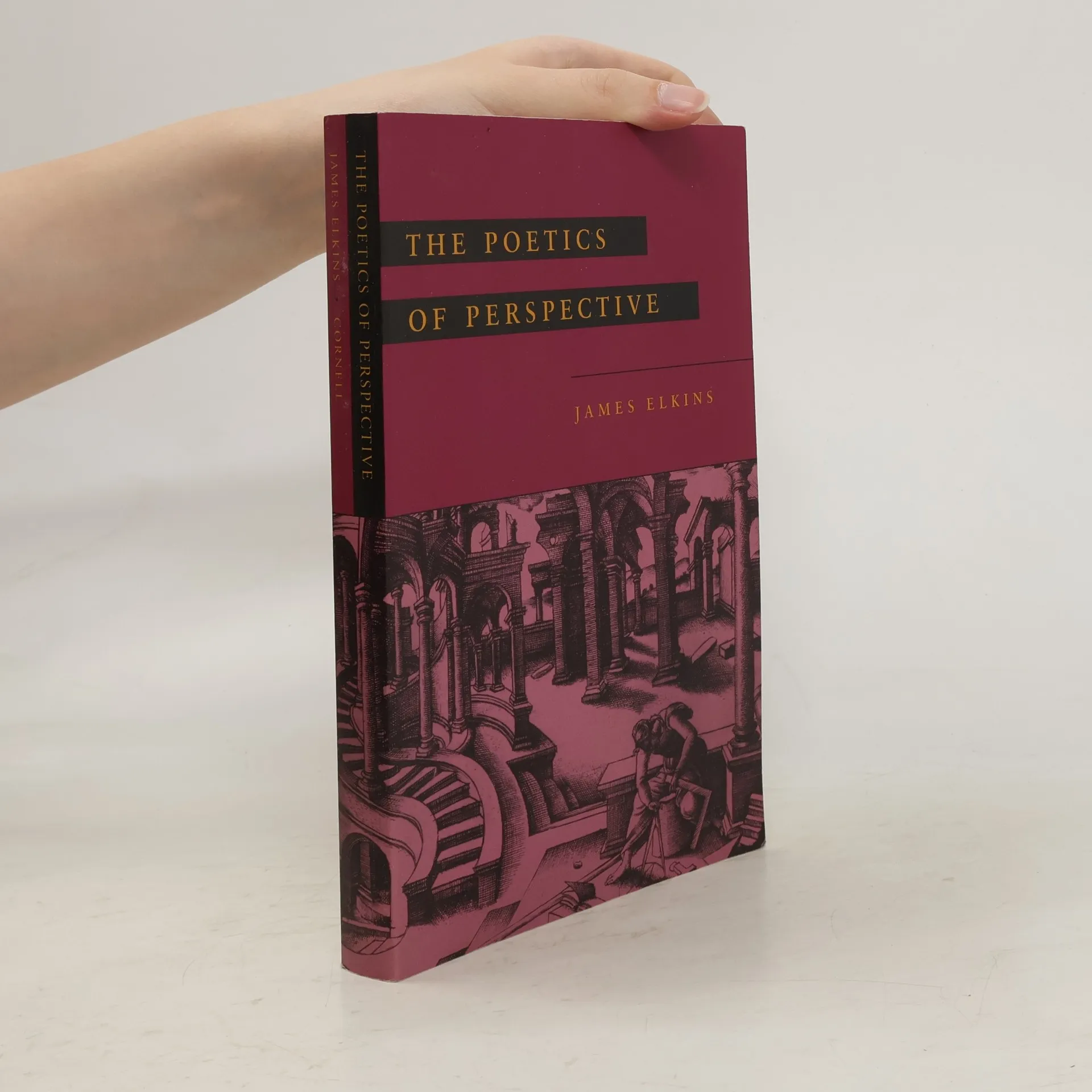
The Poetics of Perspective, James Elkins
- Jazyk

- Rok vydání
- 1996
- Vazba
- (měkká)
Tady nám chybí tvá recenze.
- Titul
- The Poetics of Perspective
- Jazyk
- anglicky
- Autoři
- James Elkins
- Vydavatel
- Cornell University Press
- Rok vydání
- 1996
- Vazba
- měkká
- ISBN10
- 0801483794
- ISBN13
- 9780801483790
- Série
- Štítky
- Historie umění
- Hodnocení
- 4,1 z 5
- Anotace
- "My principal concern in this book is the way we talk about pictures...Renaissance writers and artists imagined perspective quite differently than we do... I maintain... that Renaissance authors and artists thought there were many compatible perspectives, so that their writing and painting evince a "pluralist" approach in strict contrast to the monolithic mathematical perspective we imagine today. Theirs was more a collection of rational methods than a "rationalisation of sight", more a way of drawing objects than of setting them in an abstract "pictorial space". Most important... is the gradual recession of perspective as a mute method, a practical subset of geometry, and the growth of perspective as a metaphor, a powerful concept for ordering our perception and accounting for our subjectivity." -- Preface.