

Více o knize
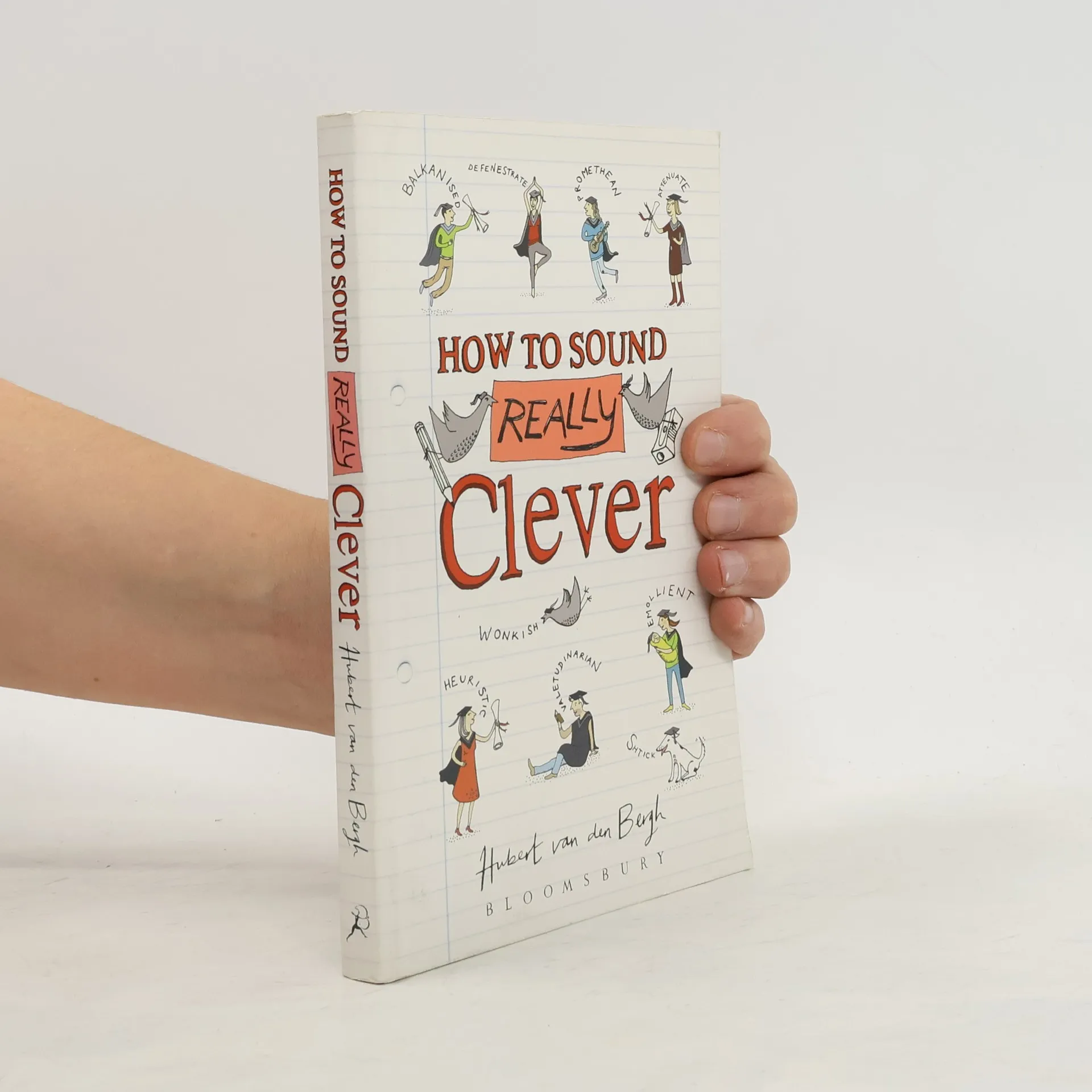
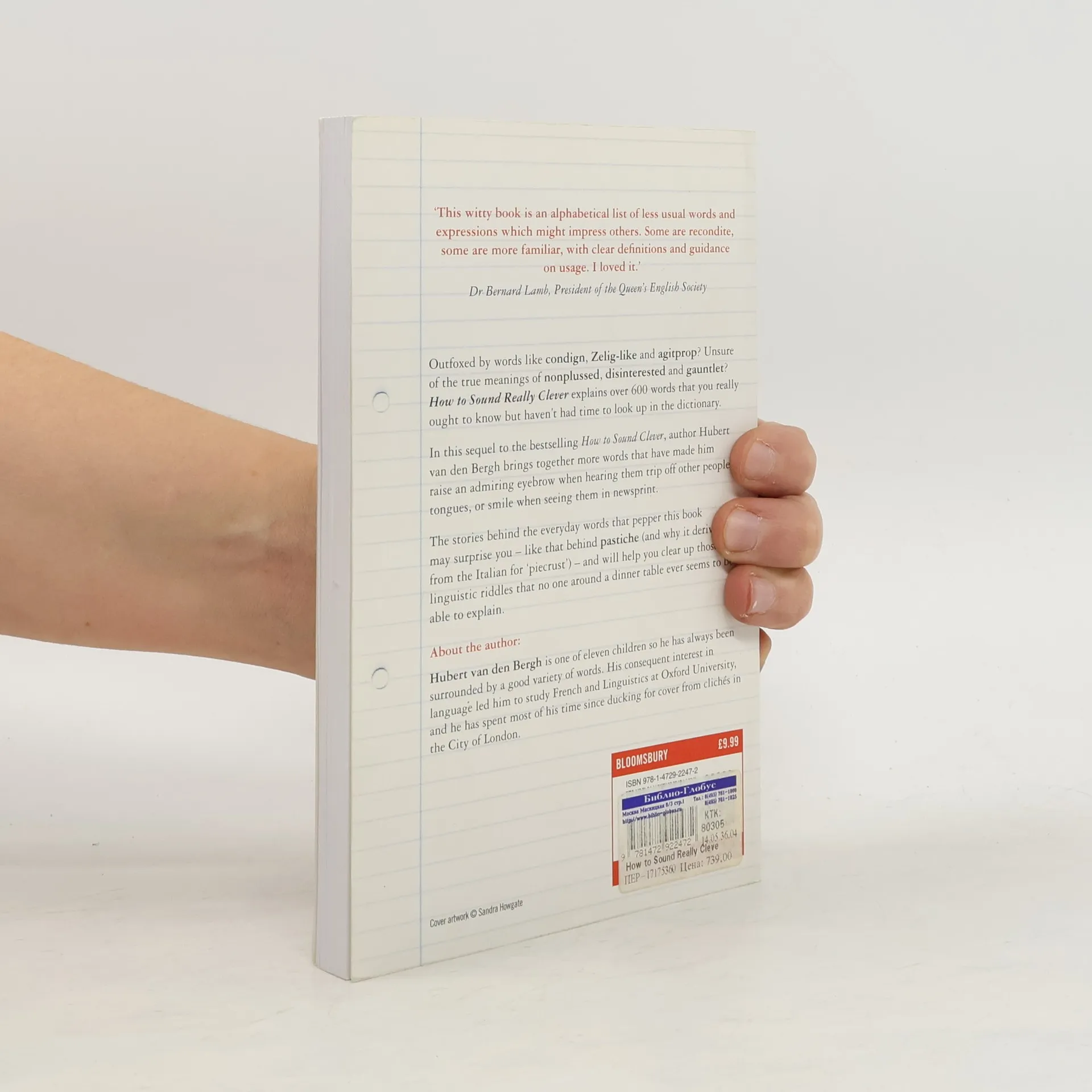
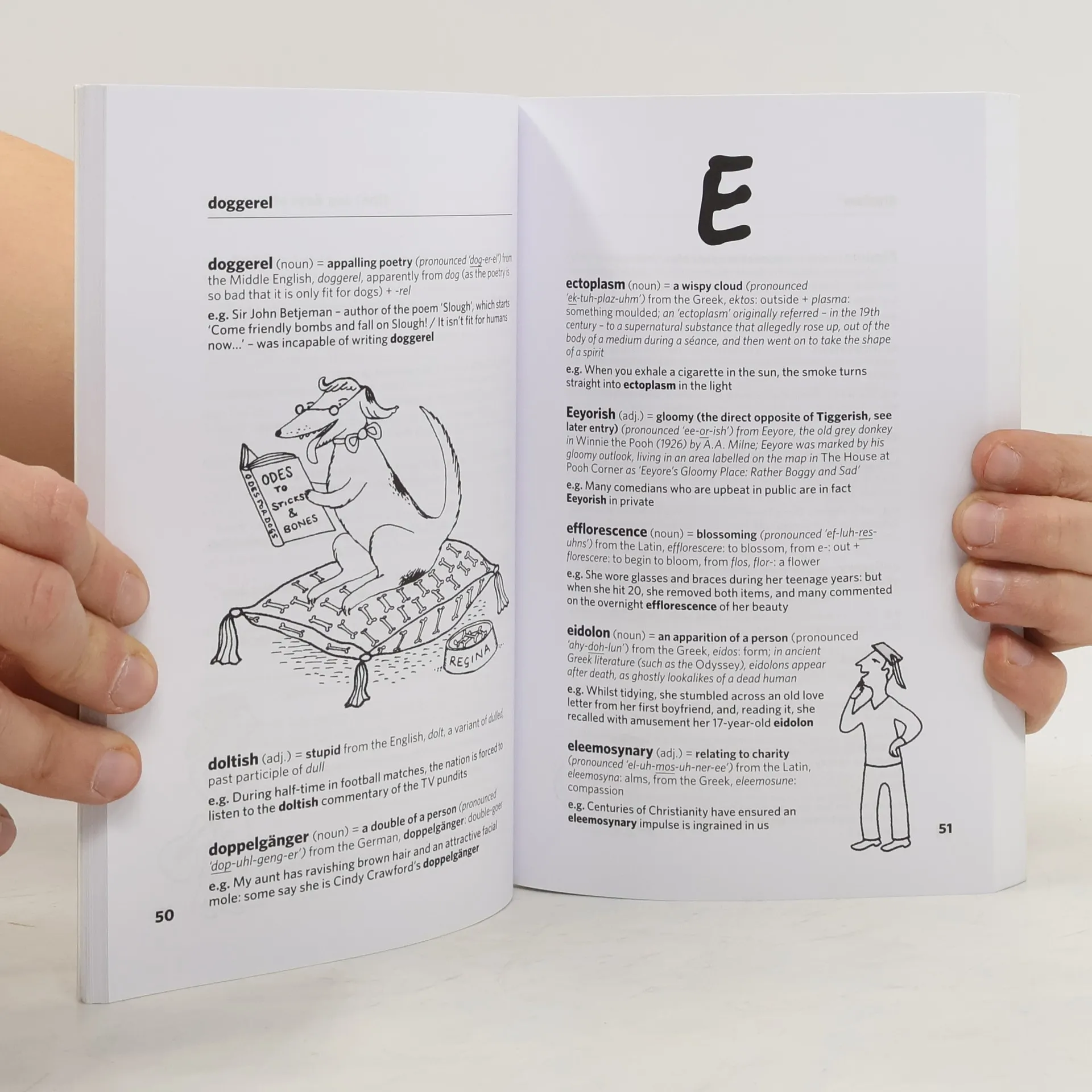
Outfoxed by words like condign, Zelig-like and agitprop? Unsure of the true meanings of nonplussed, disinterested and gauntlet? How to Sound Really Clever explains over 600 words that you really ought to know but haven't had time to look up in the dictionary. In this sequel to the bestselling How to Sound Clever, author Hubert van den Bergh brings together more words that have made him raise an admiring eyebrow when hearing them trip off other people's tongues, or smile when seeing them in newsprint. The stories behind the everyday words that pepper this book may surprise you - like that behind pastiche (and why it derives from the Italian for 'piecrust') - and will help you clear up those linguistic riddles that no one around a dinner table ever seems to be able to explain.
Nákup knihy
How to Sound Really Clever, Hubert van den Bergh
- Jazyk

- Rok vydání
- 2016
- Vazba
- (měkká)
Doručení
Platební metody
Tady nám chybí tvá recenze.
- Titul
- How to Sound Really Clever
- Jazyk
- anglicky
- Autoři
- Hubert van den Bergh
- Vydavatel
- Bloomsbury Specialist
- Rok vydání
- 2016
- Vazba
- měkká
- Počet stran
- 224
- ISBN10
- 1472922476
- ISBN13
- 9781472922472
- Série
- Kategorie
- Štítky
- Vysokoškolské učebnice
- Hodnocení
- 4,35 z 5
- Anotace
- Outfoxed by words like condign, Zelig-like and agitprop? Unsure of the true meanings of nonplussed, disinterested and gauntlet? How to Sound Really Clever explains over 600 words that you really ought to know but haven't had time to look up in the dictionary. In this sequel to the bestselling How to Sound Clever, author Hubert van den Bergh brings together more words that have made him raise an admiring eyebrow when hearing them trip off other people's tongues, or smile when seeing them in newsprint. The stories behind the everyday words that pepper this book may surprise you - like that behind pastiche (and why it derives from the Italian for 'piecrust') - and will help you clear up those linguistic riddles that no one around a dinner table ever seems to be able to explain.