



Více o knize
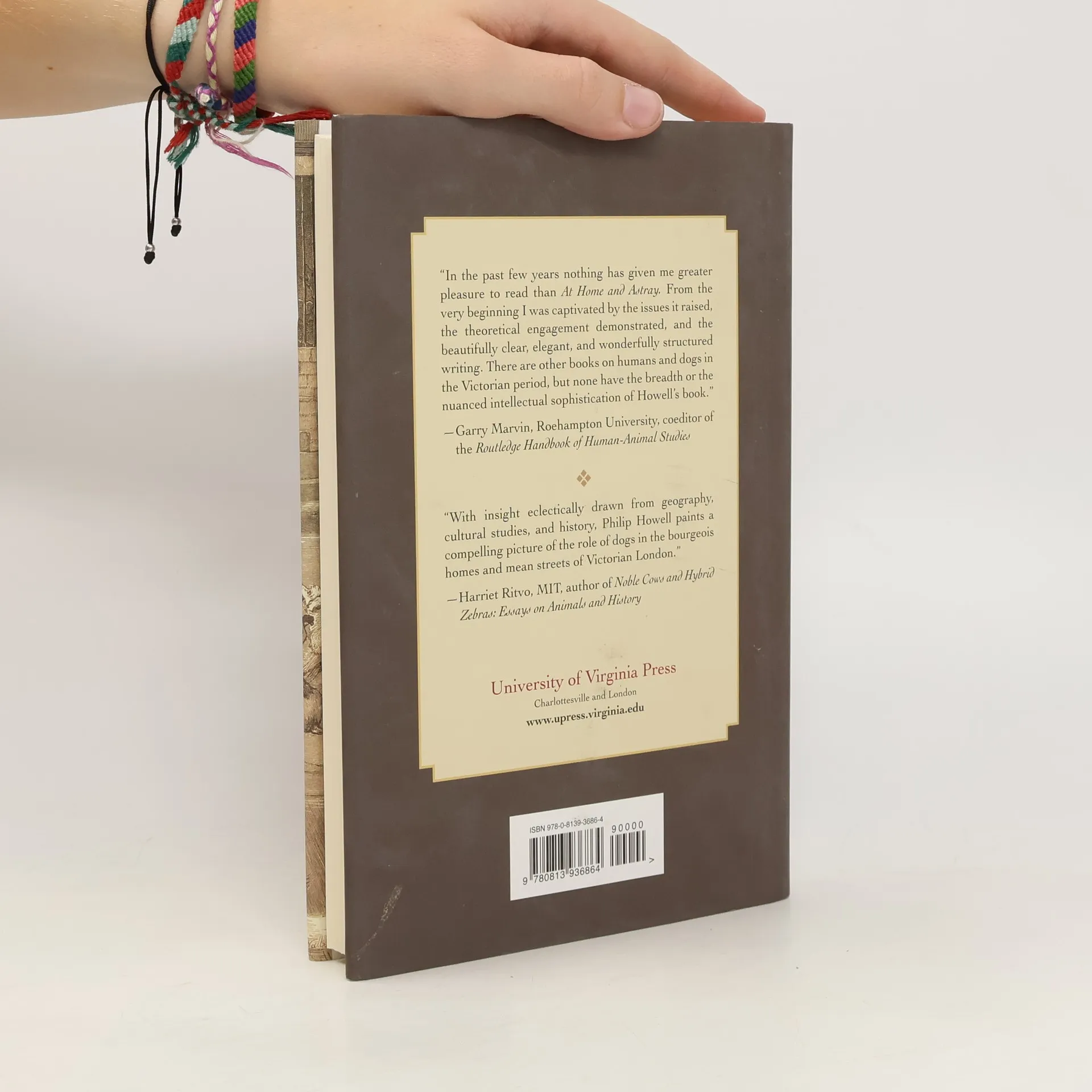
In Victorian Britain, particularly London, the modern dog emerged through a significant transformation in social attitudes and practices. Philip Howell examines this evolution, highlighting the intense debates surrounding the dog's changing status in society. While humans have shared a long history with dogs, it was during the nineteenth century that dogs became fully domesticated and central to middle-class homes. This era saw a surge in dog breeding and ownership, yet simultaneously, dogs were increasingly excluded from public spaces, with strays becoming the neglected counterparts to cherished pets. Howell's analysis reveals how this redefinition of the dog's role sheds light on our understanding of modernity and urban life. He delves into the dynamic process through which the dog's position was proposed, challenged, and ultimately conditionally accepted. Featuring notable figures such as Charles Dickens, Elizabeth Barrett Browning, Thomas Carlyle, and Charles Darwin, the work addresses various topics, including vivisection, rabies control, pet cemeteries, dog shelters, and the practice of dog walking. This exploration not only contributes to the history of animals but also enhances our comprehension of the Victorian era and its lasting impacts.
Nákup knihy
At Home and Astray, Philip Howell
- Jazyk

- Rok vydání
- 2015
- Vazba
- (pevná)
Tady nám chybí tvá recenze.
- Titul
- At Home and Astray
- Jazyk
- anglicky
- Autoři
- Philip Howell
- Vydavatel
- University of Virginia Press
- Rok vydání
- 2015
- Vazba
- pevná
- Počet stran
- 264
- ISBN10
- 0813936861
- ISBN13
- 9780813936864
- Série
- Štítky
- Historické téma, Ostatní historie
- Hodnocení
- 4,5 z 5
- Anotace
- In Victorian Britain, particularly London, the modern dog emerged through a significant transformation in social attitudes and practices. Philip Howell examines this evolution, highlighting the intense debates surrounding the dog's changing status in society. While humans have shared a long history with dogs, it was during the nineteenth century that dogs became fully domesticated and central to middle-class homes. This era saw a surge in dog breeding and ownership, yet simultaneously, dogs were increasingly excluded from public spaces, with strays becoming the neglected counterparts to cherished pets. Howell's analysis reveals how this redefinition of the dog's role sheds light on our understanding of modernity and urban life. He delves into the dynamic process through which the dog's position was proposed, challenged, and ultimately conditionally accepted. Featuring notable figures such as Charles Dickens, Elizabeth Barrett Browning, Thomas Carlyle, and Charles Darwin, the work addresses various topics, including vivisection, rabies control, pet cemeteries, dog shelters, and the practice of dog walking. This exploration not only contributes to the history of animals but also enhances our comprehension of the Victorian era and its lasting impacts.