

Funding the Cooperative City
Více o knize
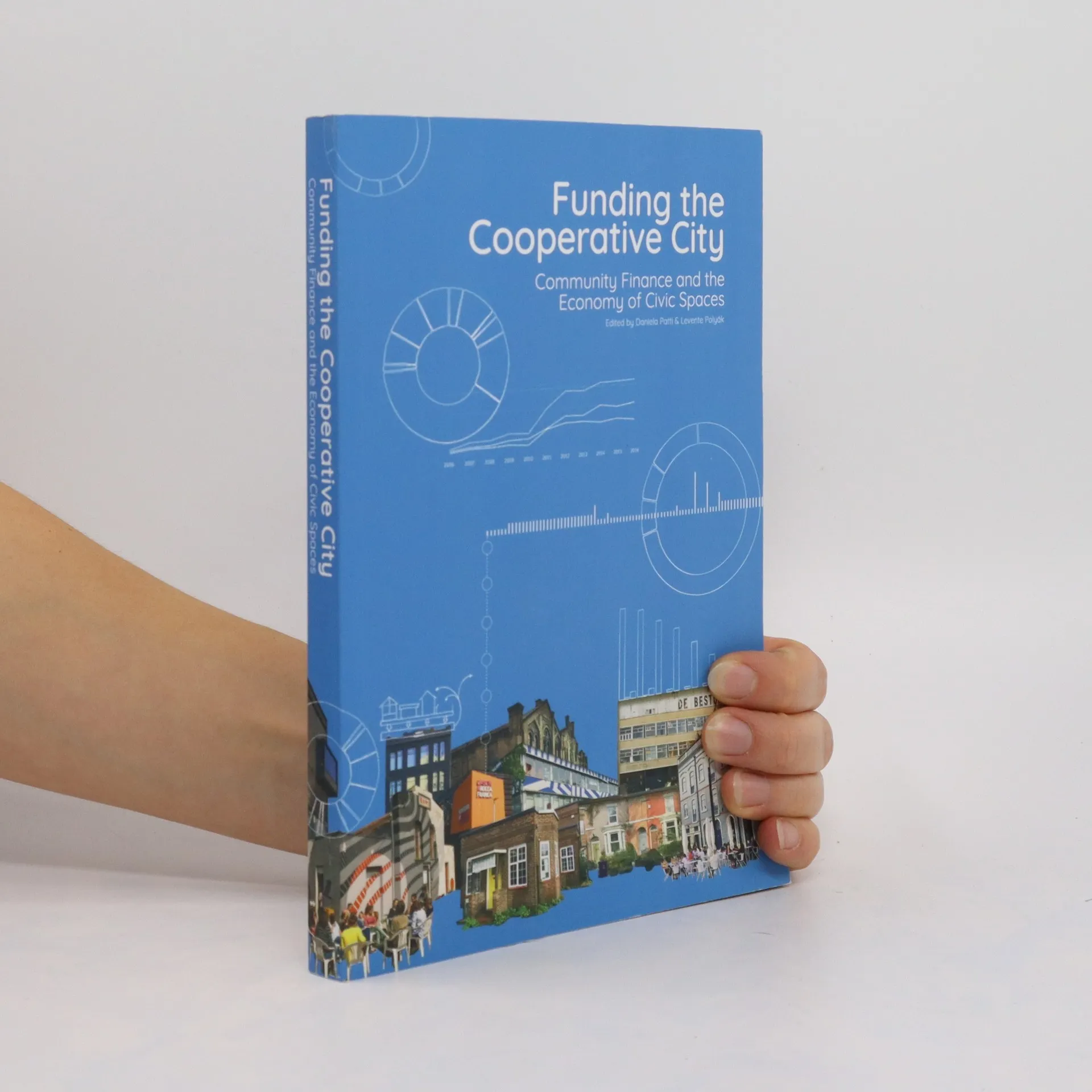
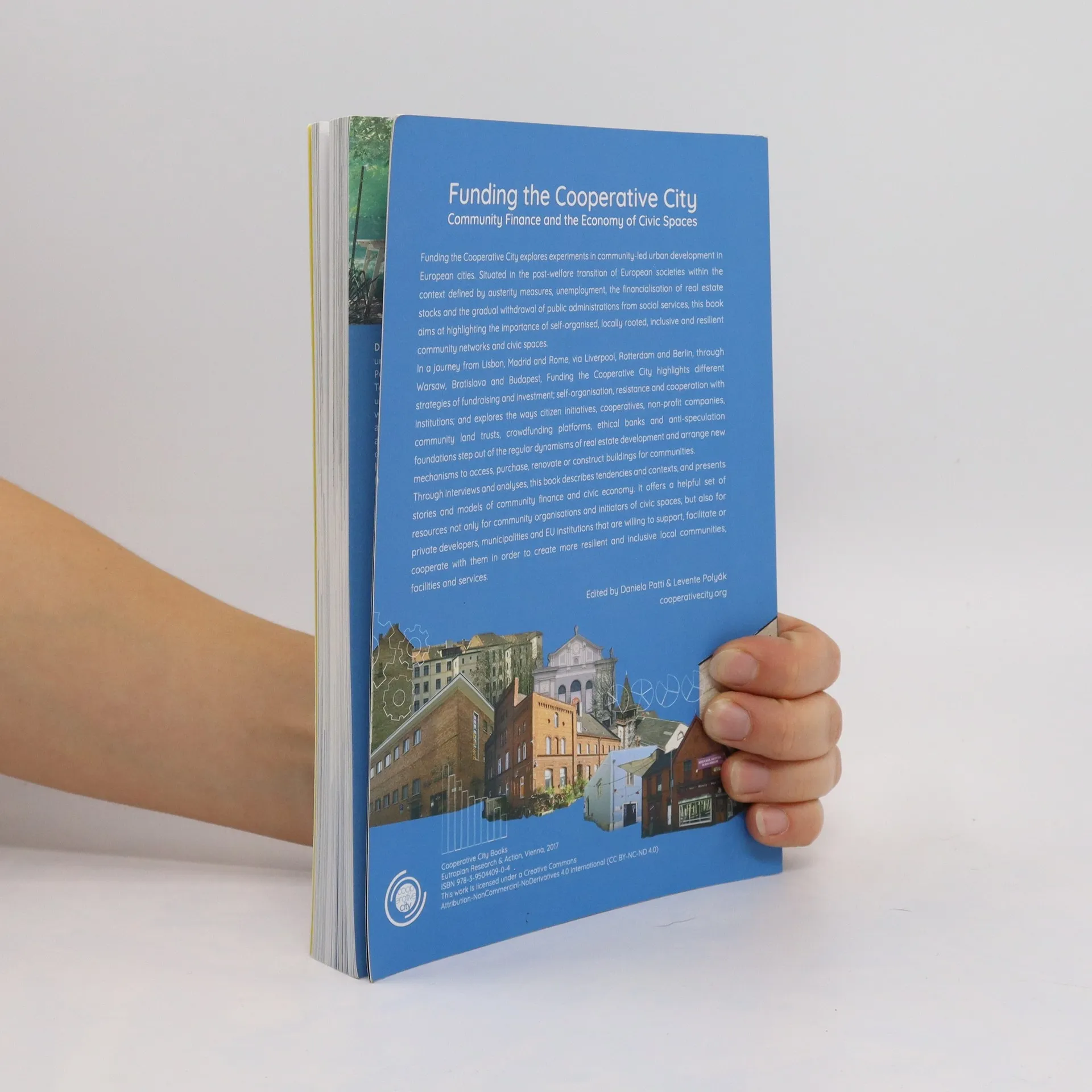
This book explores community-led urban development experiments across European cities, set against the backdrop of post-welfare transitions marked by austerity, unemployment, and the financialization of real estate. It emphasizes the significance of self-organized, locally rooted, and resilient community networks and civic spaces. The narrative travels through cities like Lisbon, Madrid, Rome, Liverpool, Rotterdam, Berlin, Warsaw, Bratislava, and Budapest, showcasing various fundraising and investment strategies, self-organization, resistance, and collaboration with institutions. It examines how citizen initiatives, cooperatives, non-profit organizations, community land trusts, crowdfunding platforms, ethical banks, and anti-speculation foundations are redefining real estate dynamics to access, purchase, renovate, or construct buildings for community use. Through interviews and analyses, the book presents trends, contexts, and models of community finance and civic economy. It serves as a valuable resource for community organizations, civic space initiators, private developers, municipalities, and EU institutions eager to support and foster resilient, inclusive local communities and services. Contributions from various experts enrich the discussion, highlighting diverse perspectives and practices in urban development.
Nákup knihy
Funding the Cooperative City, Daniela Patti, Levente Polyák
- Jazyk

- Rok vydání
- 2017
- Vazba
- (měkká)
Doručení
Platební metody
Nikdo zatím neohodnotil.
- Titul
- Funding the Cooperative City
- Jazyk
- anglicky
- Autoři
- Daniela Patti, Levente Polyák
- Rok vydání
- 2017
- Vazba
- měkká
- Počet stran
- 243
- ISBN10
- 3950440909
- ISBN13
- 9783950440904
- Série
- Kategorie
- Štítky
- Byznys
- Anotace
- This book explores community-led urban development experiments across European cities, set against the backdrop of post-welfare transitions marked by austerity, unemployment, and the financialization of real estate. It emphasizes the significance of self-organized, locally rooted, and resilient community networks and civic spaces. The narrative travels through cities like Lisbon, Madrid, Rome, Liverpool, Rotterdam, Berlin, Warsaw, Bratislava, and Budapest, showcasing various fundraising and investment strategies, self-organization, resistance, and collaboration with institutions. It examines how citizen initiatives, cooperatives, non-profit organizations, community land trusts, crowdfunding platforms, ethical banks, and anti-speculation foundations are redefining real estate dynamics to access, purchase, renovate, or construct buildings for community use. Through interviews and analyses, the book presents trends, contexts, and models of community finance and civic economy. It serves as a valuable resource for community organizations, civic space initiators, private developers, municipalities, and EU institutions eager to support and foster resilient, inclusive local communities and services. Contributions from various experts enrich the discussion, highlighting diverse perspectives and practices in urban development.