

Více o knize
This was the first cross-over book into the history of science written by a historian of economics. It shows how 'history of technology' can be integrated with the history of economic ideas. The analysis combines Cold War history with the history of postwar economics in America and later elsewhere, revealing that the Pax Americana had much to do with abstruse and formal doctrines such as linear programming and game theory. It links the literature on 'cyborg' to economics, an element missing in literature to date. The treatment further calls into question the idea that economics has been immune to postmodern currents, arguing that neoclassical economics has participated in the deconstruction of the integral 'self'. Finally, it argues for an alliance of computational and institutional themes, and challenges the widespread impression that there is nothing else besides American neoclassical economic theory left standing after the demise of Marxism.
Nákup knihy
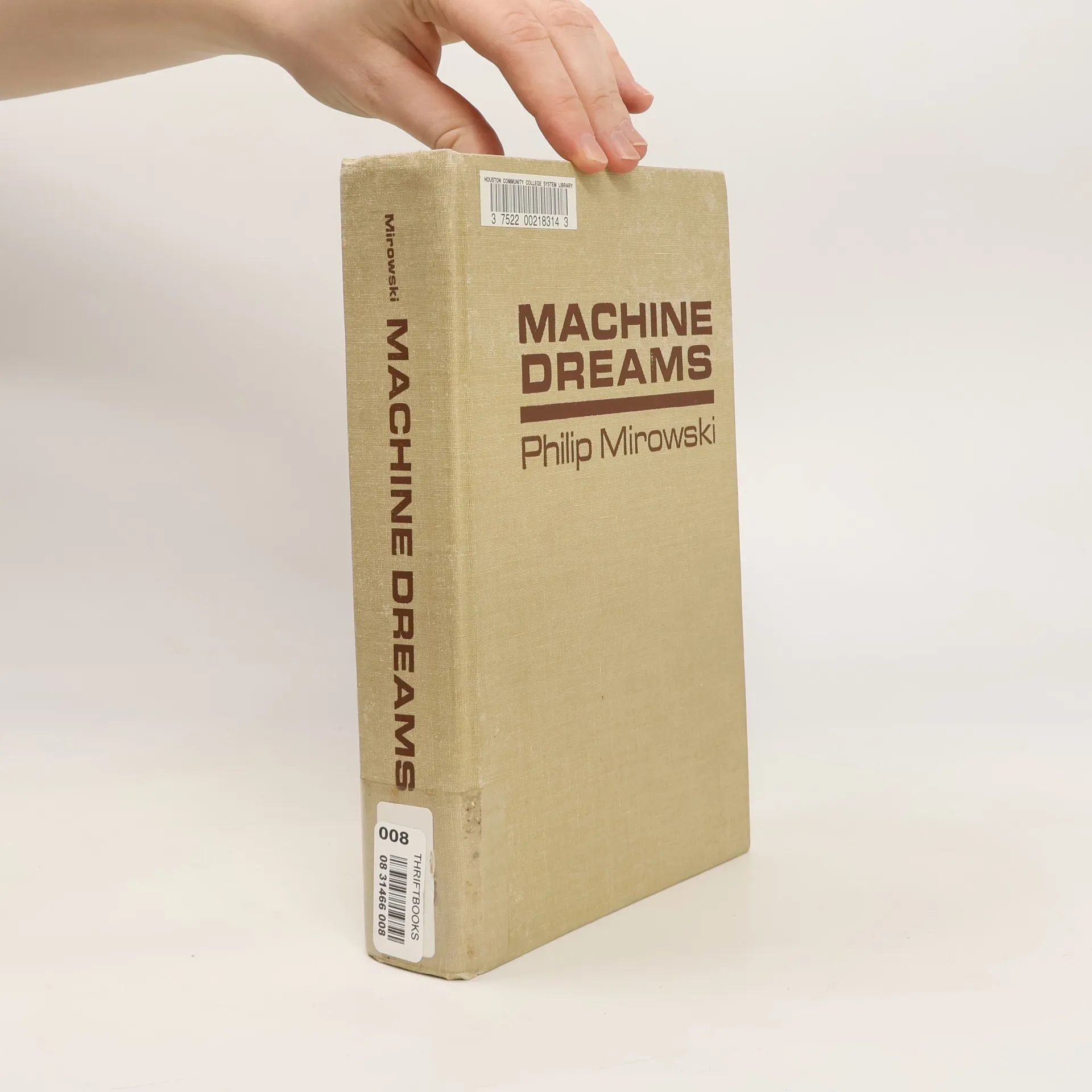
Machine Dreams, Philip Mirowski
- Jazyk

- Rok vydání
- 2001
- Vazba
- (pevná)
Tady nám chybí tvá recenze.
- Titul
- Machine Dreams
- Jazyk
- anglicky
- Autoři
- Philip Mirowski
- Vydavatel
- Cambridge University Press
- Rok vydání
- 2001
- Vazba
- pevná
- Počet stran
- 648
- ISBN10
- 0521772834
- ISBN13
- 9780521772839
- Série
- Kategorie
- Hodnocení
- 4 z 5
- Anotace
- This was the first cross-over book into the history of science written by a historian of economics. It shows how 'history of technology' can be integrated with the history of economic ideas. The analysis combines Cold War history with the history of postwar economics in America and later elsewhere, revealing that the Pax Americana had much to do with abstruse and formal doctrines such as linear programming and game theory. It links the literature on 'cyborg' to economics, an element missing in literature to date. The treatment further calls into question the idea that economics has been immune to postmodern currents, arguing that neoclassical economics has participated in the deconstruction of the integral 'self'. Finally, it argues for an alliance of computational and institutional themes, and challenges the widespread impression that there is nothing else besides American neoclassical economic theory left standing after the demise of Marxism.