

Více o knize
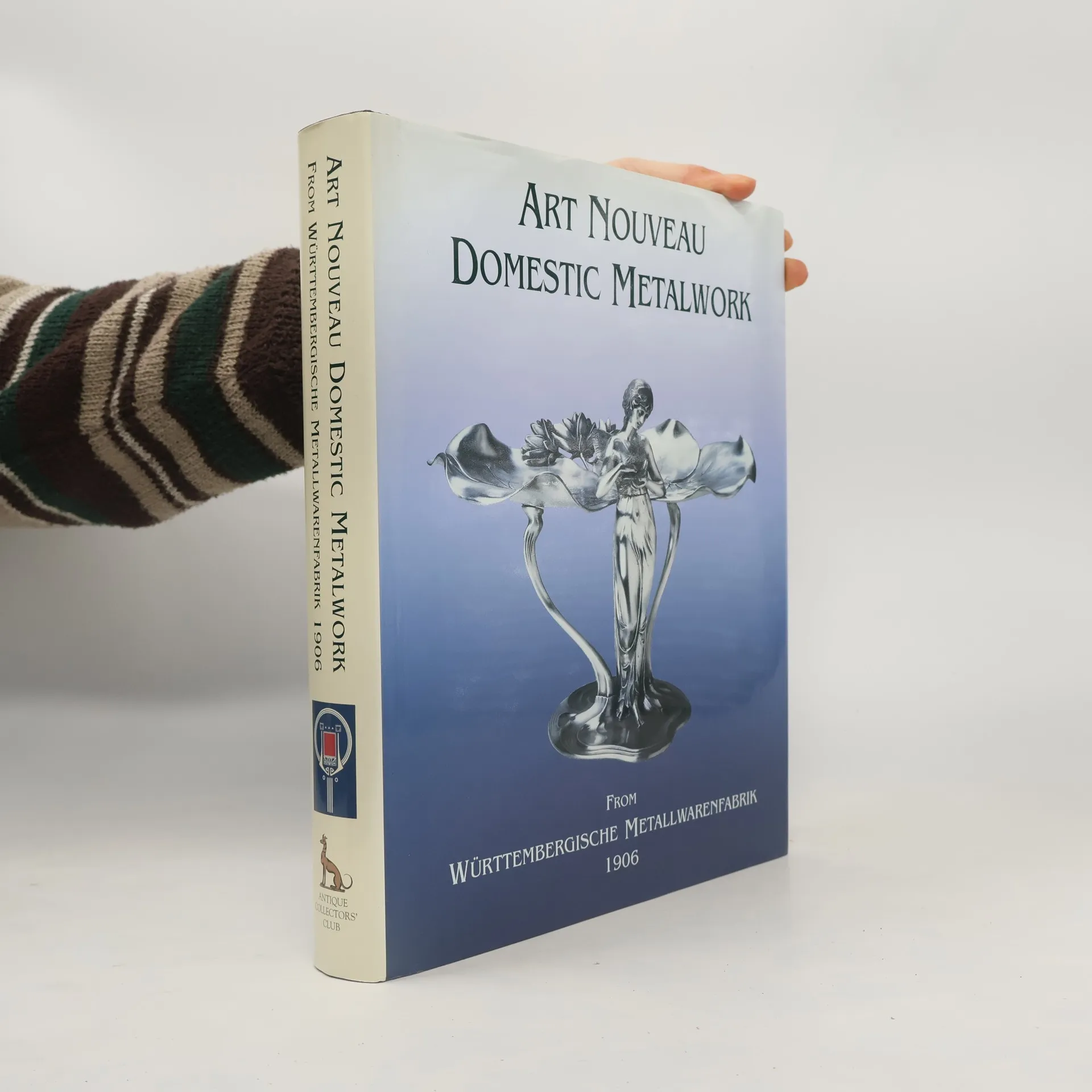
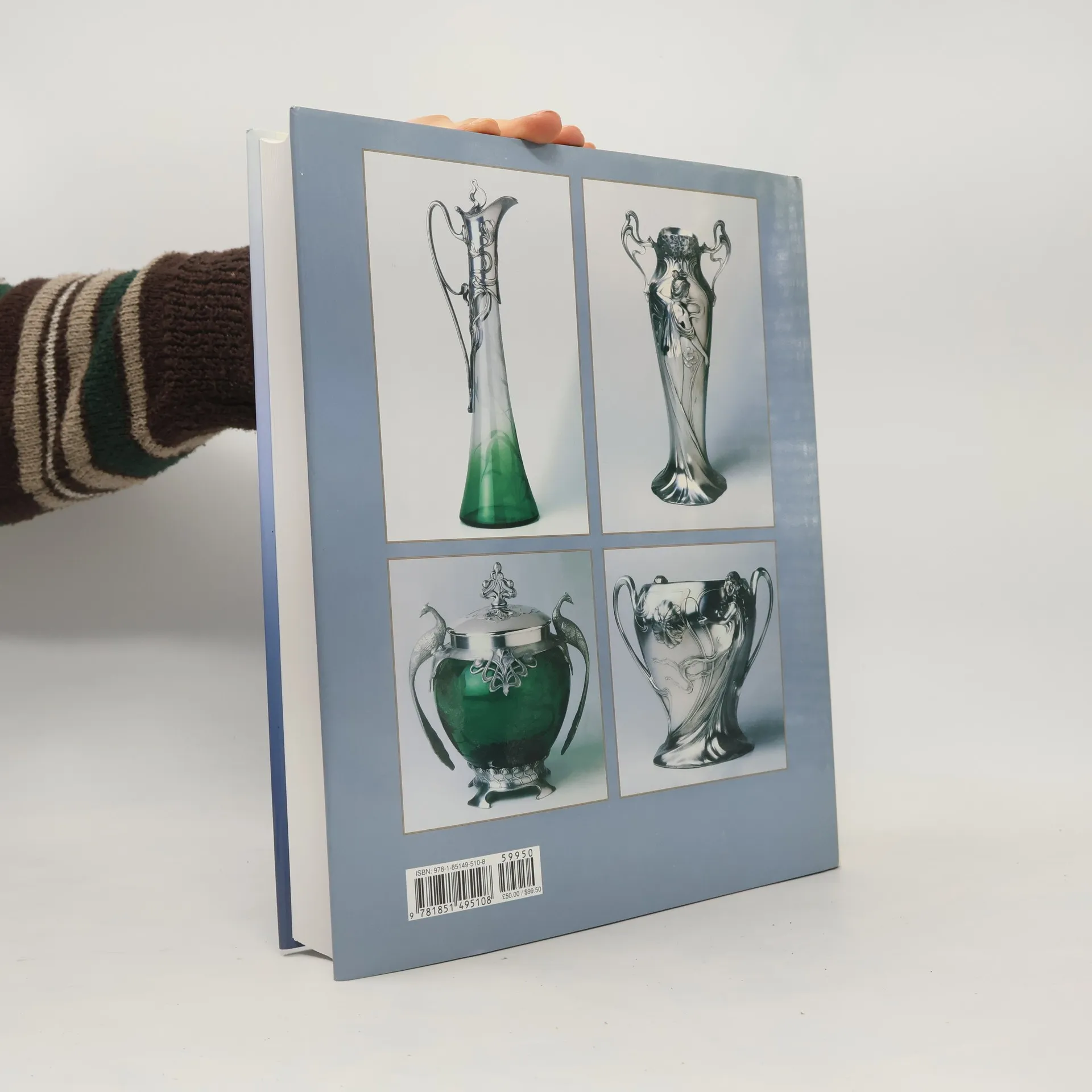
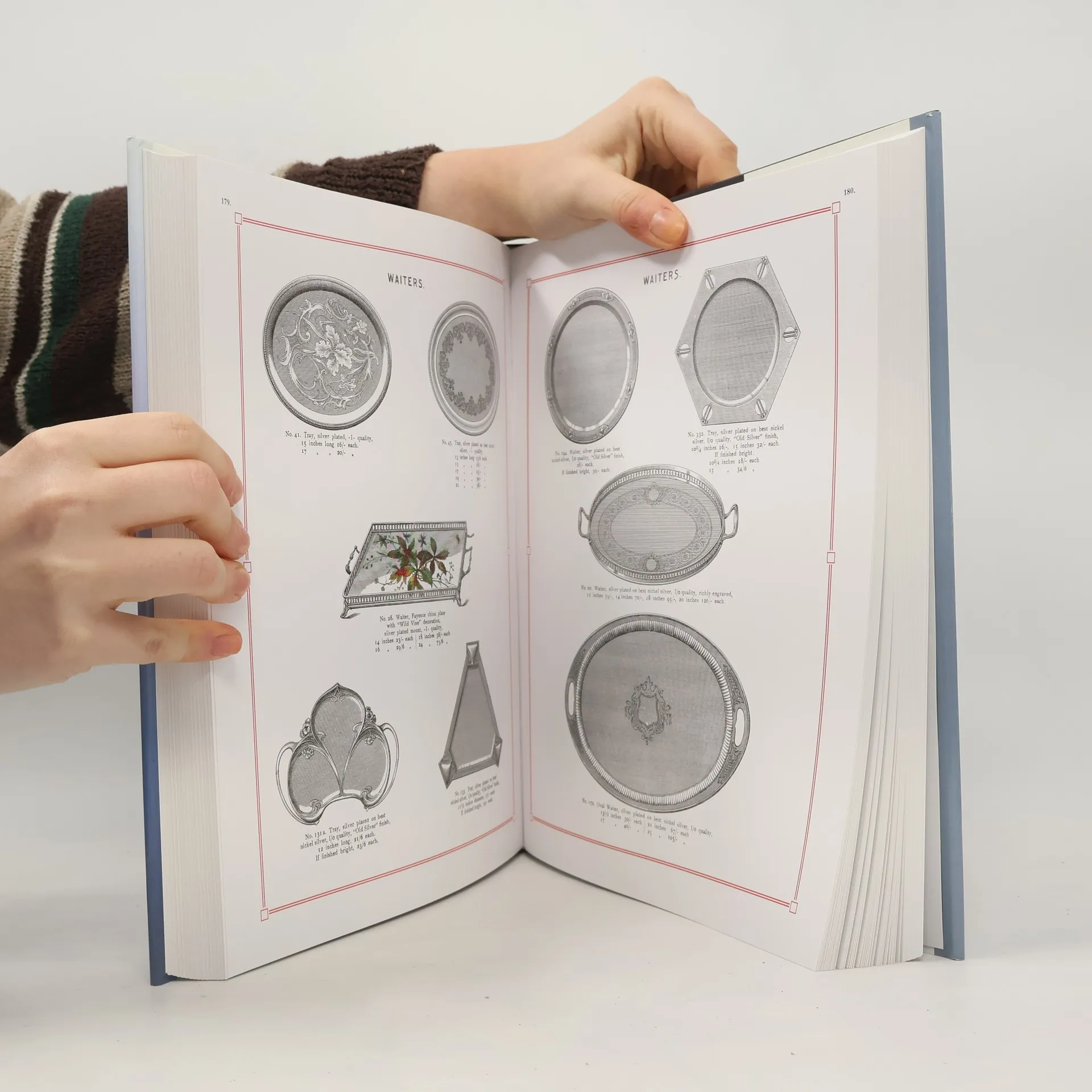
At the end of the nineteenth century, W rttembergische MetallwarenFabrik, or the W rtemberg Electro Plate Company as the firm was known outside Germany, was the world's largest manufacturer and exporter of household metalware. At its height, over 6,000 workers were employed in Germany, Poland and Austria, and almost 10,000 designs for objects ranging from teaspoons to enormous table centrepieces were produced. Widely known by its initials WMF, the company sometimes employed the services of leading German designers of the day, but for the most part the wares were in a popular Jugendstil style, the German version of Art Nouveau. These decorative pieces are highly sought after today and are prized by collectors throughout the world. WMF's domination of the export market is illustrated by the fact that they produced a sumptuous catalogue showing over 3,000 domestic pieces with descriptions in the English language. This catalogue was issued in 1906 by the company's English subsidiary from their showro
Nákup knihy
Art nouveau domestic metalwork, Graham Dry
- Jazyk

- Rok vydání
- 1988
- Vazba
- (pevná)
Doručení
Platební metody
Tady nám chybí tvá recenze.
- Titul
- Art nouveau domestic metalwork
- Jazyk
- anglicky
- Autoři
- Graham Dry
- Vydavatel
- Antique Collectors' Club
- Rok vydání
- 1988
- Vazba
- pevná
- Počet stran
- 389
- ISBN10
- 185149510X
- ISBN13
- 9781851495108
- Série
- Štítky
- Sběratelství
- Hodnocení
- 3 z 5
- Anotace
- At the end of the nineteenth century, W rttembergische MetallwarenFabrik, or the W rtemberg Electro Plate Company as the firm was known outside Germany, was the world's largest manufacturer and exporter of household metalware. At its height, over 6,000 workers were employed in Germany, Poland and Austria, and almost 10,000 designs for objects ranging from teaspoons to enormous table centrepieces were produced. Widely known by its initials WMF, the company sometimes employed the services of leading German designers of the day, but for the most part the wares were in a popular Jugendstil style, the German version of Art Nouveau. These decorative pieces are highly sought after today and are prized by collectors throughout the world. WMF's domination of the export market is illustrated by the fact that they produced a sumptuous catalogue showing over 3,000 domestic pieces with descriptions in the English language. This catalogue was issued in 1906 by the company's English subsidiary from their showro