

Více o knize
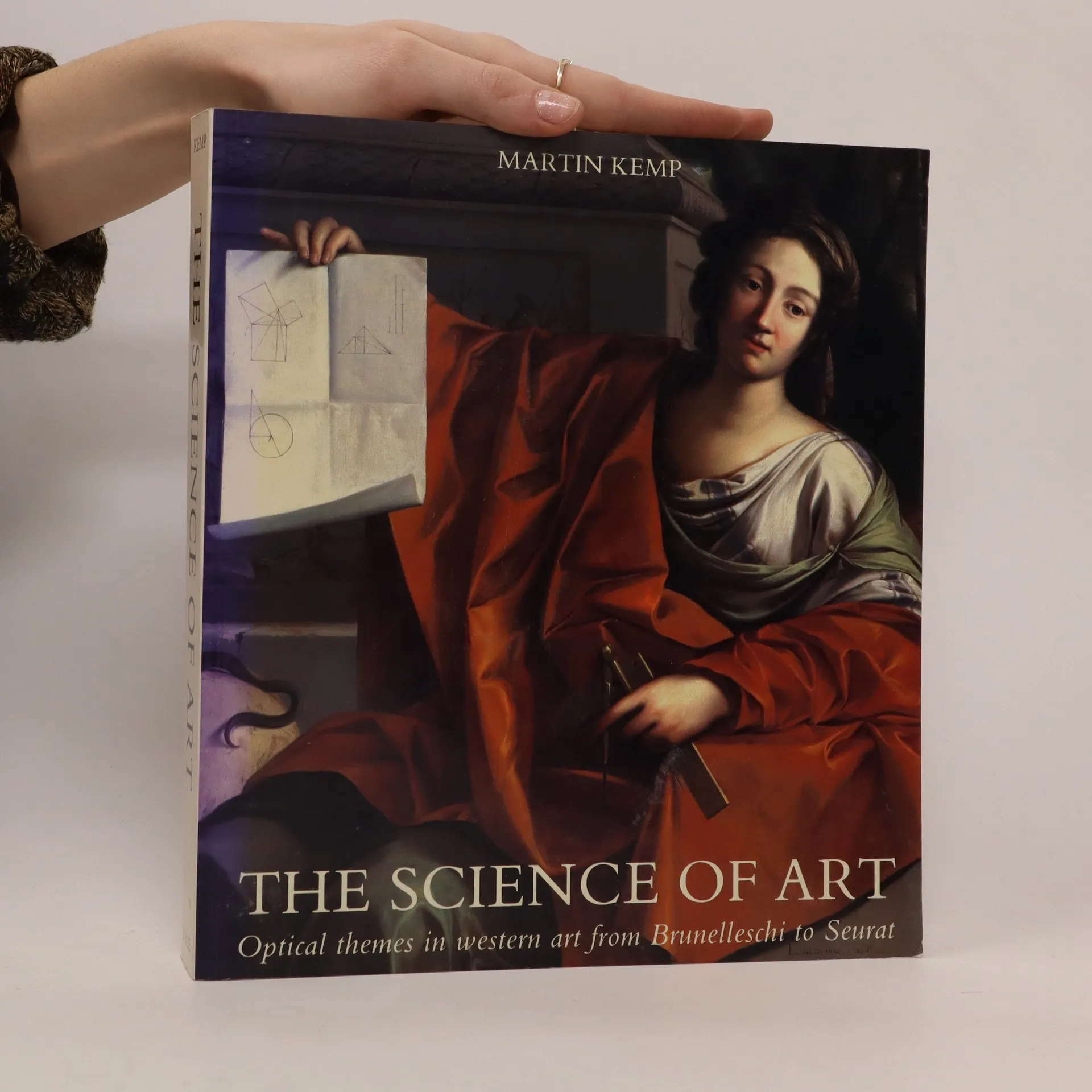
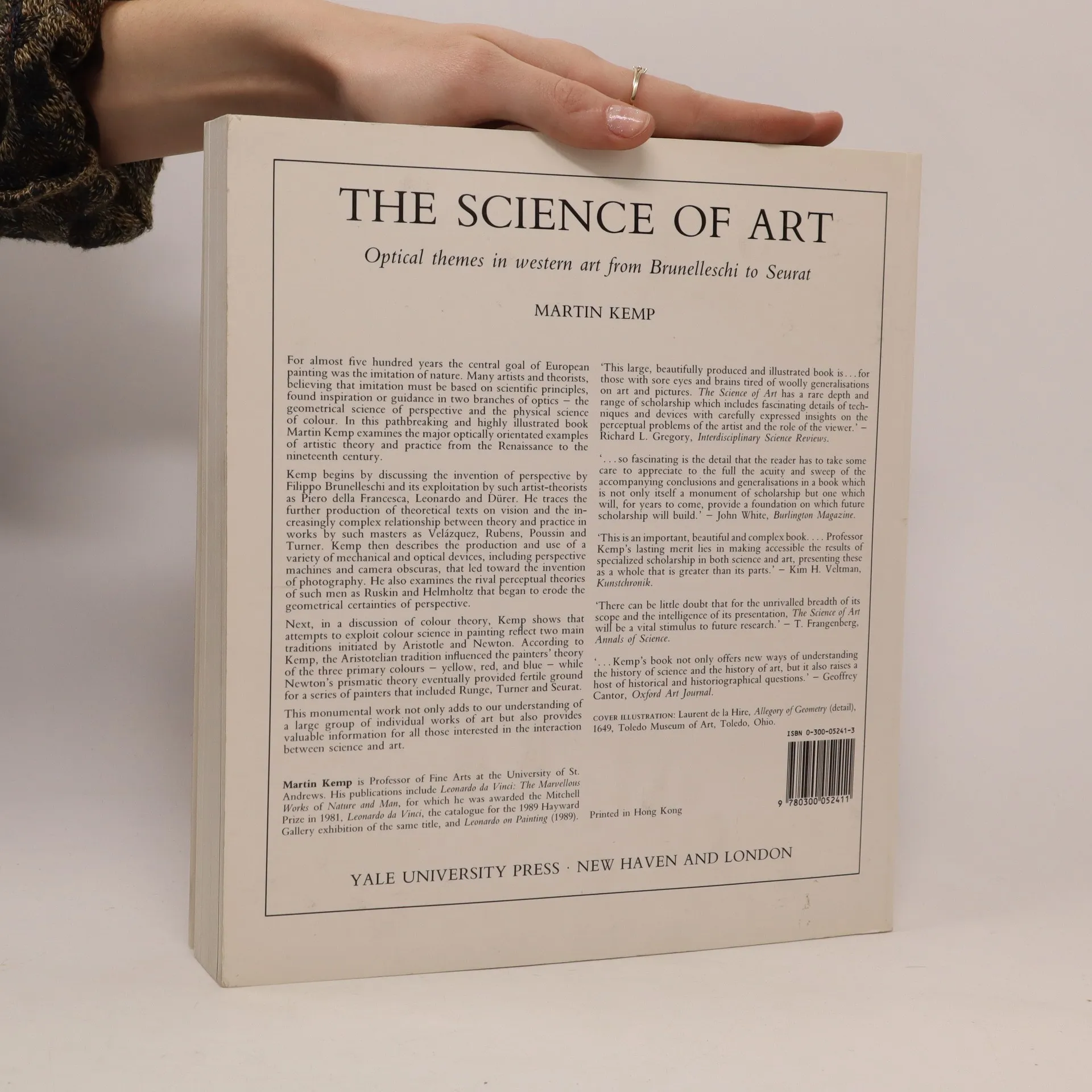
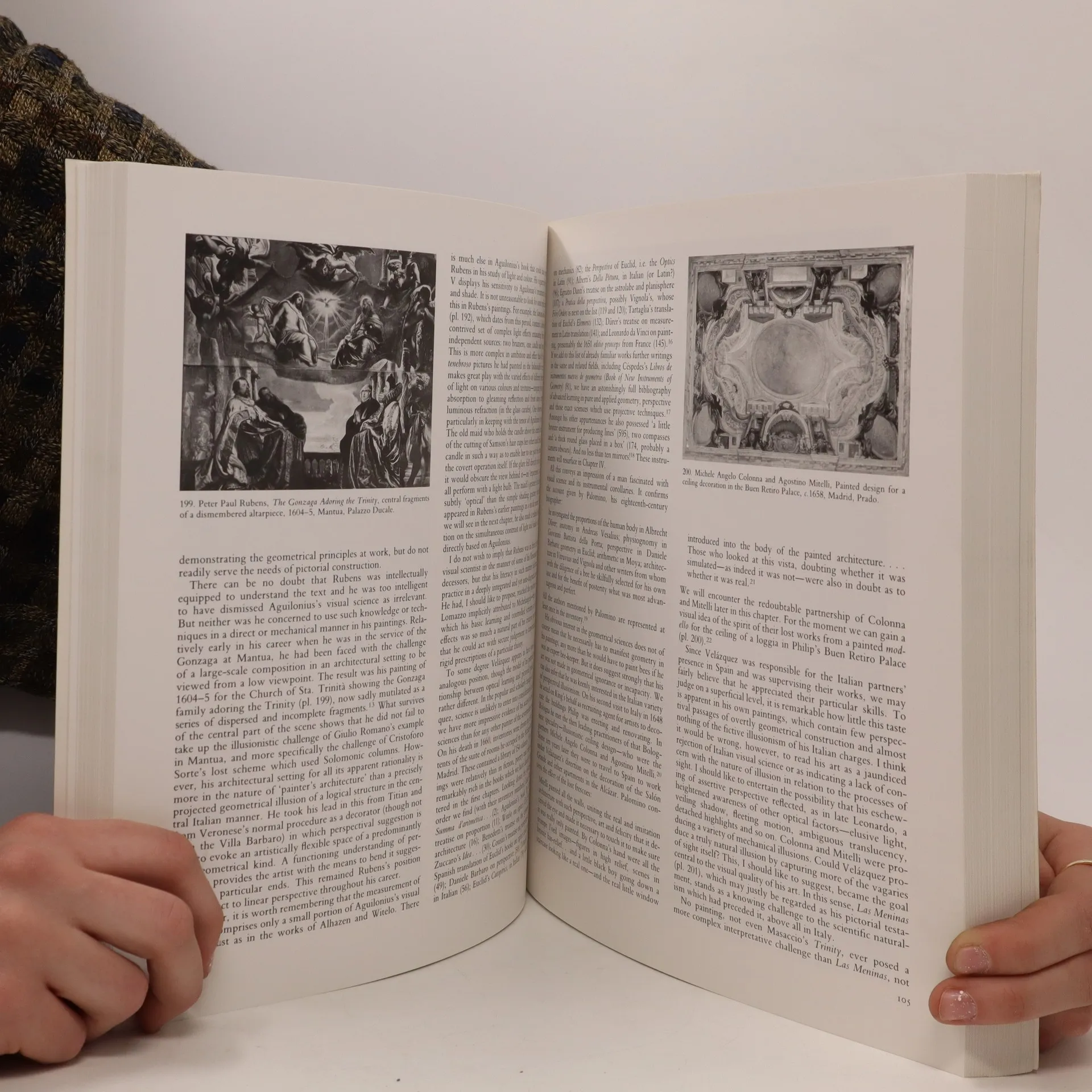
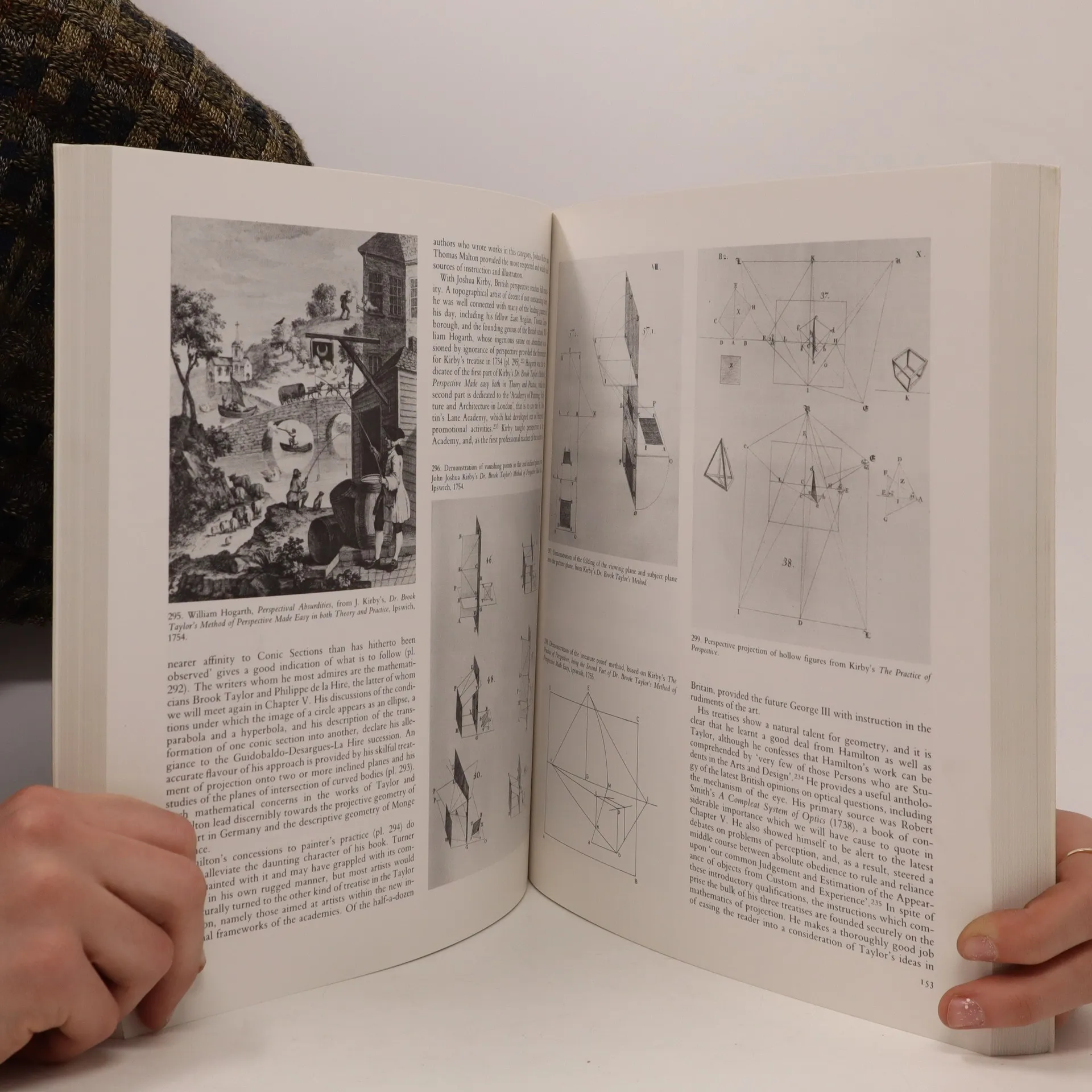
This work, one of the most lucidly written art history books in recent memory, addresses a topic of inherent complexity and great recent interest. Kemp (Univ. of St. Andrews), who has written on Leonardo, discusses perspective and optic theories as they related to the central problem of European painting for half a millennium, the verisimilar depiction of nature. The first part of the book discusses perspective theory and practice and the use of devices that led toward photography. In the second part, Kemp explores optic theories derived from Aristotle and from Newton and their theoretical and practical impacts on painting. The only minor cavil is the unclear order of the select bibliography; otherwise, this is a superb and thoughtful book, with a level of writing to which few can aspire. Highly recommended for general as well as special collections.-- Jack Perry Brown, Ryerson & Burnham Libs . , Art Inst. of Chicago.
Nákup knihy
Science of art : optical themes in western art from Brunelleschi to Seurat, Martin Kemp
- Jazyk

- Rok vydání
- 1989
- Vazba
- (měkká)
Tady nám chybí tvá recenze.
- Titul
- Science of art : optical themes in western art from Brunelleschi to Seurat
- Jazyk
- anglicky
- Autoři
- Martin Kemp
- Vydavatel
- Yale University Press
- Rok vydání
- 1989
- Vazba
- měkká
- ISBN10
- 0300052413
- ISBN13
- 9780300052411
- Série
- Kategorie
- Štítky
- Historické téma, Umění, Věda, Historie umění, Kreslení, Historie vědy
- Hodnocení
- 3,9 z 5
- Anotace
- This work, one of the most lucidly written art history books in recent memory, addresses a topic of inherent complexity and great recent interest. Kemp (Univ. of St. Andrews), who has written on Leonardo, discusses perspective and optic theories as they related to the central problem of European painting for half a millennium, the verisimilar depiction of nature. The first part of the book discusses perspective theory and practice and the use of devices that led toward photography. In the second part, Kemp explores optic theories derived from Aristotle and from Newton and their theoretical and practical impacts on painting. The only minor cavil is the unclear order of the select bibliography; otherwise, this is a superb and thoughtful book, with a level of writing to which few can aspire. Highly recommended for general as well as special collections.-- Jack Perry Brown, Ryerson & Burnham Libs . , Art Inst. of Chicago.