

Více o knize
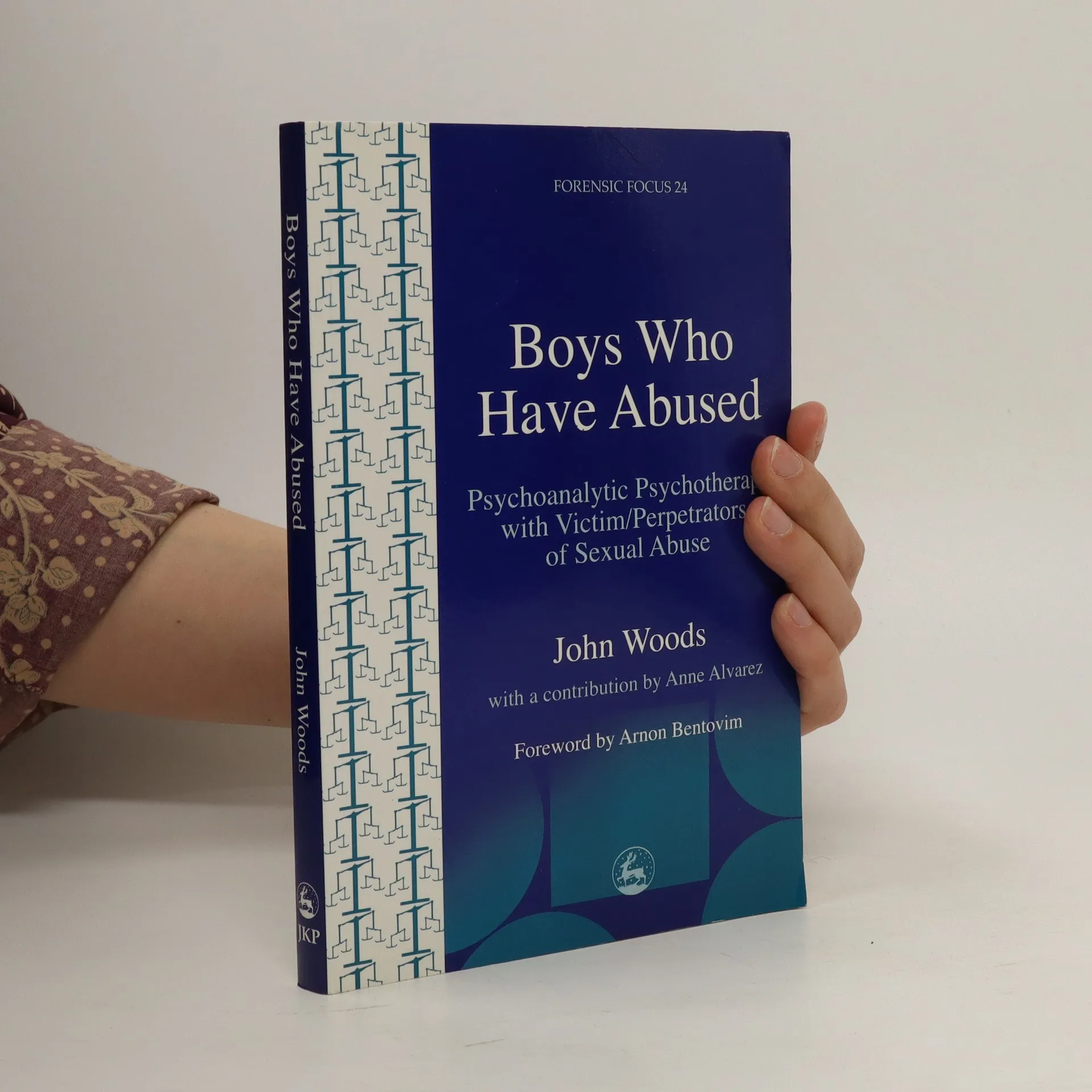
John Woods presents a theoretical approach and practical suggestions for mental health practitioners working therapeutically with young people who have abused. Drawing on his long-standing experience, he has developed an integrated theory that bridges the gap between existing cognitive behavioural and psychoanalytic approaches. He shows how this individual treatment model can be applied in a range of contexts including residential settings, group and family work, as well as in individual work. In-depth case studies throughout the book demonstrate how exploring the individual's whole life-course within a psychoanalytic framework enables connections to be drawn between possible childhood abuse and subsequent abusive behaviour. Guidelines are presented on working with the problems of self-destructiveness, masochism and depression facing the young abused/abuser and the impact of sexual abuse on sexuality, gender identity and sexual orientation. This is an instructive and thought-provoking text for all mental health practitioners and allied professionals working with adolescents who sexually offend.
Nákup knihy
Boys Who Have Abused, John Woods
- Jazyk

- Rok vydání
- 2003
- Vazba
- (měkká)
Nikdo zatím neohodnotil.
- Titul
- Boys Who Have Abused
- Jazyk
- anglicky
- Autoři
- John Woods
- Vydavatel
- Jessica Kingsley Publishers
- Rok vydání
- 2003
- Vazba
- měkká
- Počet stran
- 240
- ISBN10
- 1843100932
- ISBN13
- 9781843100935
- Série
- Štítky
- Anotace
- John Woods presents a theoretical approach and practical suggestions for mental health practitioners working therapeutically with young people who have abused. Drawing on his long-standing experience, he has developed an integrated theory that bridges the gap between existing cognitive behavioural and psychoanalytic approaches. He shows how this individual treatment model can be applied in a range of contexts including residential settings, group and family work, as well as in individual work. In-depth case studies throughout the book demonstrate how exploring the individual's whole life-course within a psychoanalytic framework enables connections to be drawn between possible childhood abuse and subsequent abusive behaviour. Guidelines are presented on working with the problems of self-destructiveness, masochism and depression facing the young abused/abuser and the impact of sexual abuse on sexuality, gender identity and sexual orientation. This is an instructive and thought-provoking text for all mental health practitioners and allied professionals working with adolescents who sexually offend.