

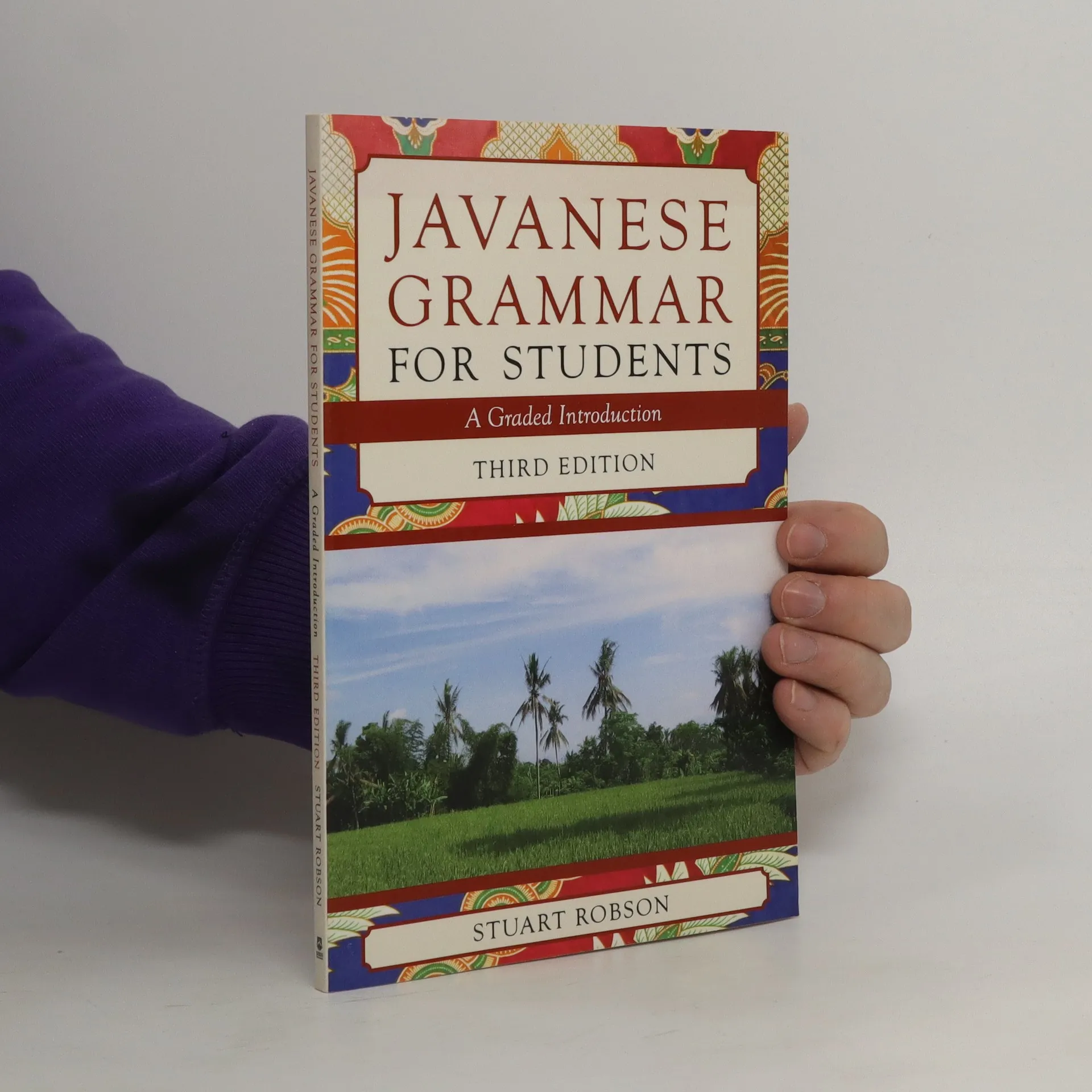
Javanese grammar for students. A graded introduction.
Autoři
Více o knize
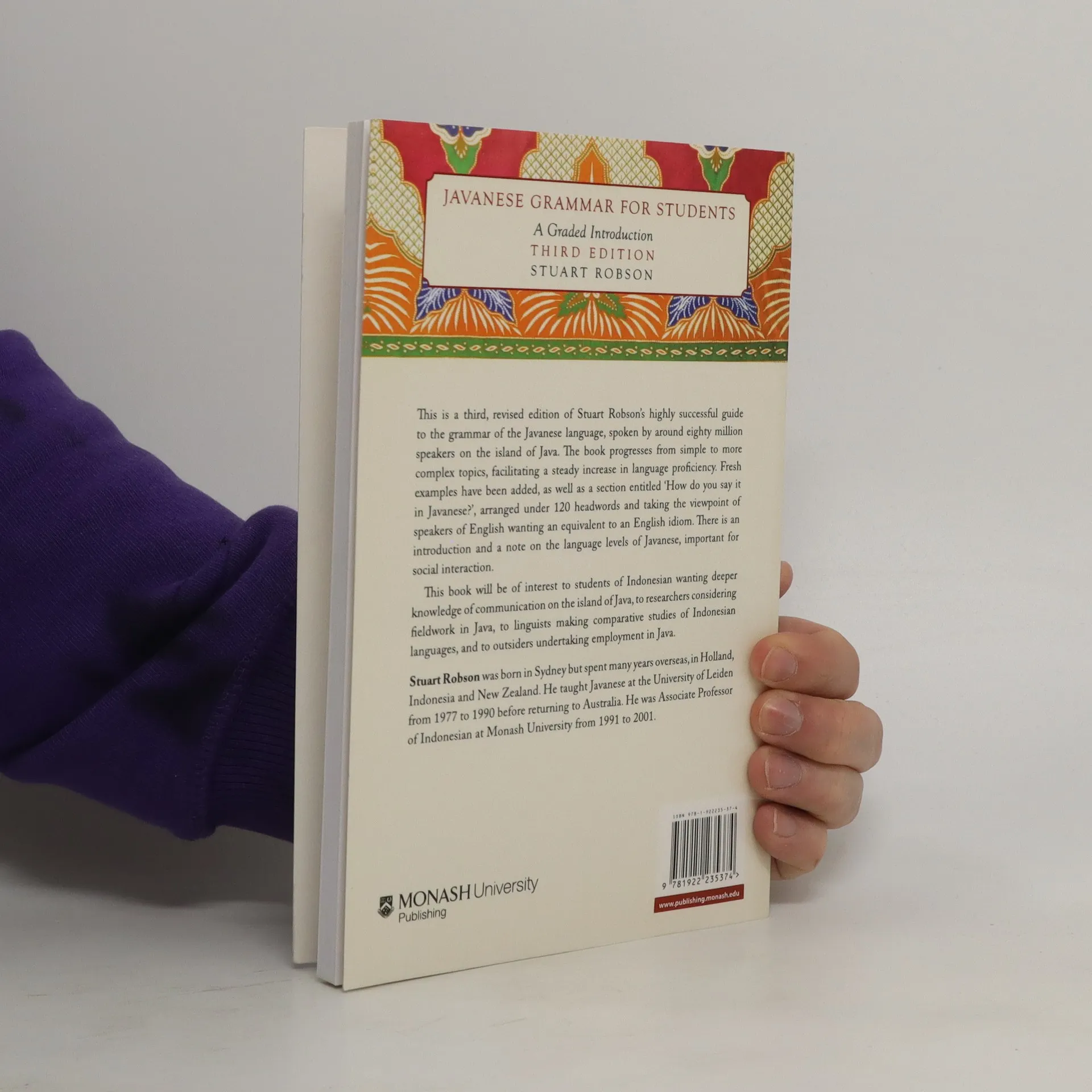
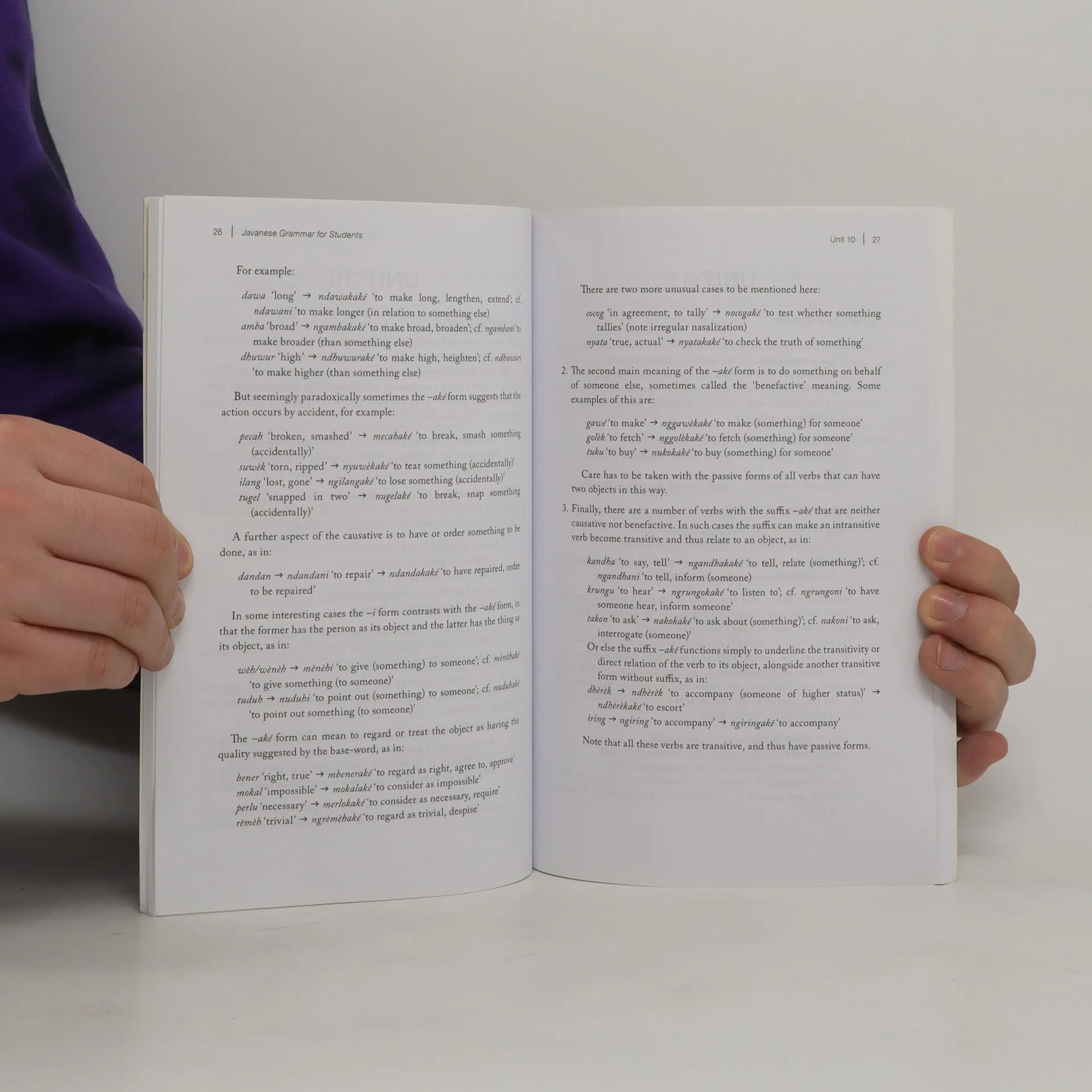
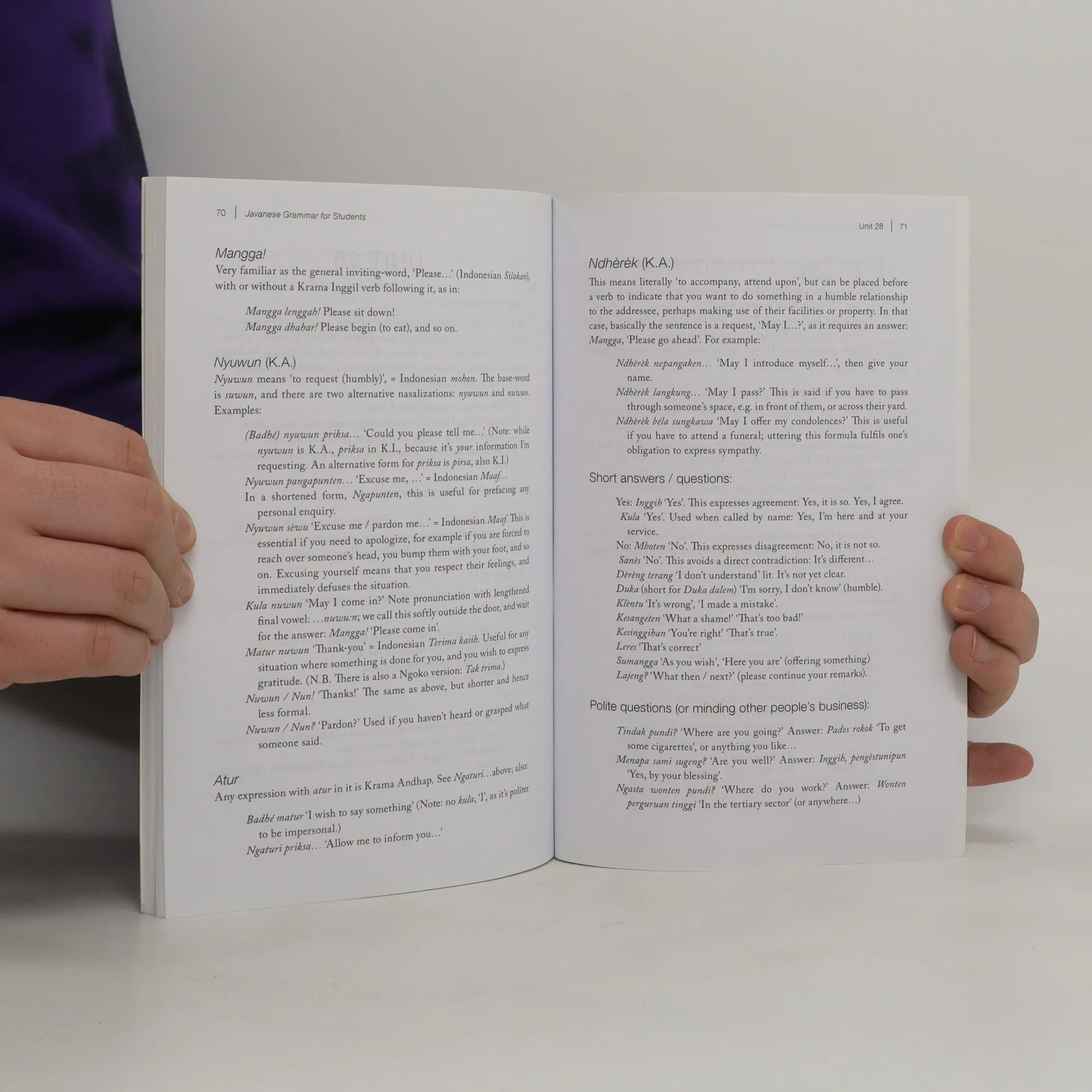
This is the third, revised edition of Stuart Robson's highly successful guide to the grammar of the Javanese language, which is spoken by around 80,000,000 speakers on the island of Java. The book progresses from simple to more complex topics, facilitating a steady increase in language proficiency. Fresh examples have been added, as well as a section entitled "How Do You Say It In Javanese?" arranged under 120 headwords and taking the viewpoint of speakers of English wanting an equivalent to an English idiom. There is an introduction and a note on the language levels of Javanese, important for social interaction. The book will be of interest to students of Indonesian studies who want a deeper knowledge of communication on the island of Java, researchers considering fieldwork in Java, linguists making comparative studies of Indonesian languages, and outsiders undertaking employment in Java. [Subject: Language, Linguistics, Indonesian Studies]
Nákup knihy
Javanese grammar for students. A graded introduction., Stuart Robson
- Jazyk

- Rok vydání
- 2014
- Vazba
- (měkká)
Doručení
Platební metody
Nikdo zatím neohodnotil.
- Titul
- Javanese grammar for students. A graded introduction.
- Jazyk
- anglicky
- Autoři
- Stuart Robson
- Vydavatel
- Monash University Publishing
- Rok vydání
- 2014
- Vazba
- měkká
- Počet stran
- 102
- ISBN10
- 1922235377
- ISBN13
- 9781922235374
- Série
- Kategorie
- Anotace
- This is the third, revised edition of Stuart Robson's highly successful guide to the grammar of the Javanese language, which is spoken by around 80,000,000 speakers on the island of Java. The book progresses from simple to more complex topics, facilitating a steady increase in language proficiency. Fresh examples have been added, as well as a section entitled "How Do You Say It In Javanese?" arranged under 120 headwords and taking the viewpoint of speakers of English wanting an equivalent to an English idiom. There is an introduction and a note on the language levels of Javanese, important for social interaction. The book will be of interest to students of Indonesian studies who want a deeper knowledge of communication on the island of Java, researchers considering fieldwork in Java, linguists making comparative studies of Indonesian languages, and outsiders undertaking employment in Java. [Subject: Language, Linguistics, Indonesian Studies]