

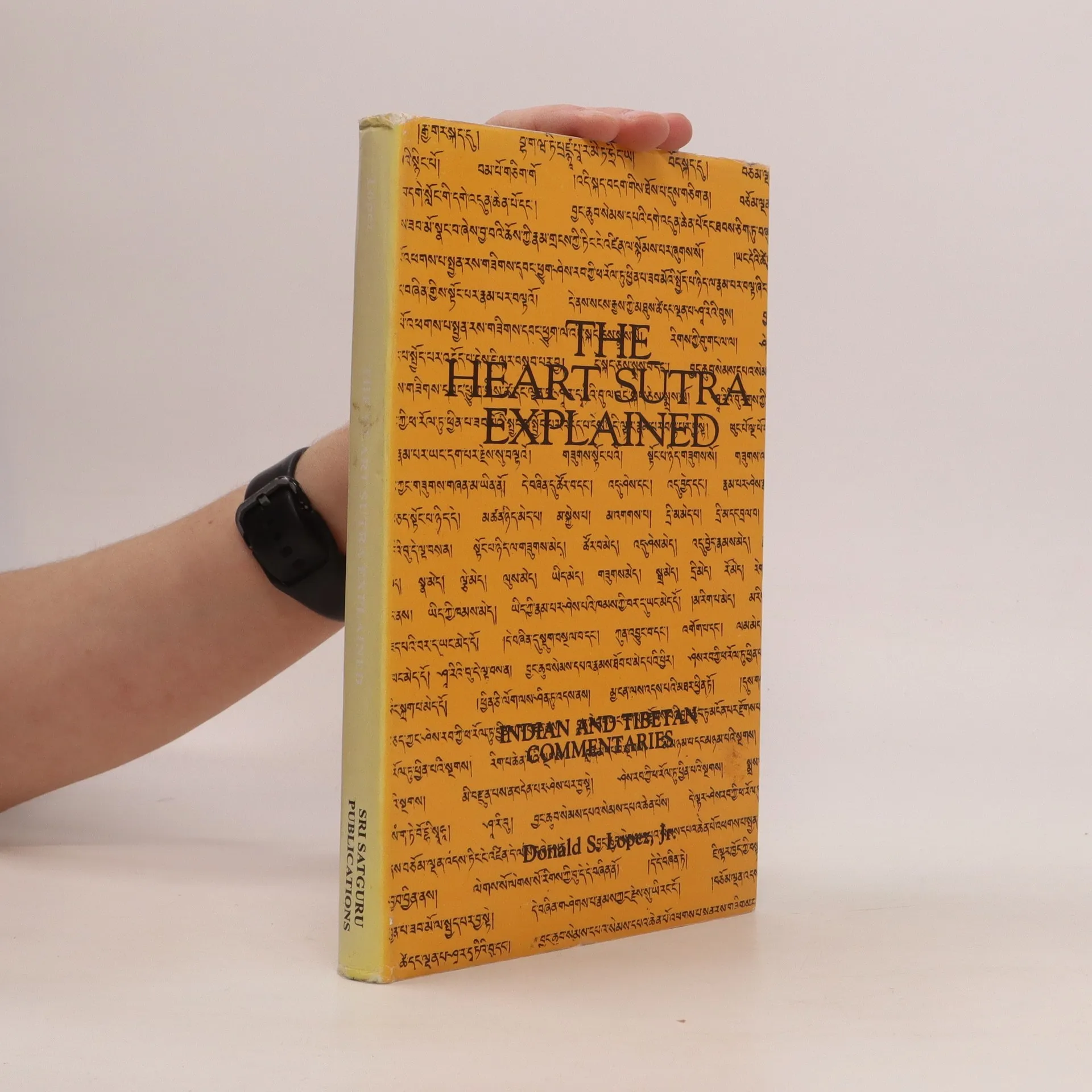


The Heart Sūtra explained : Indian and Tibetan commentaries
Autoři
Hodnocení knihy
Více o knize
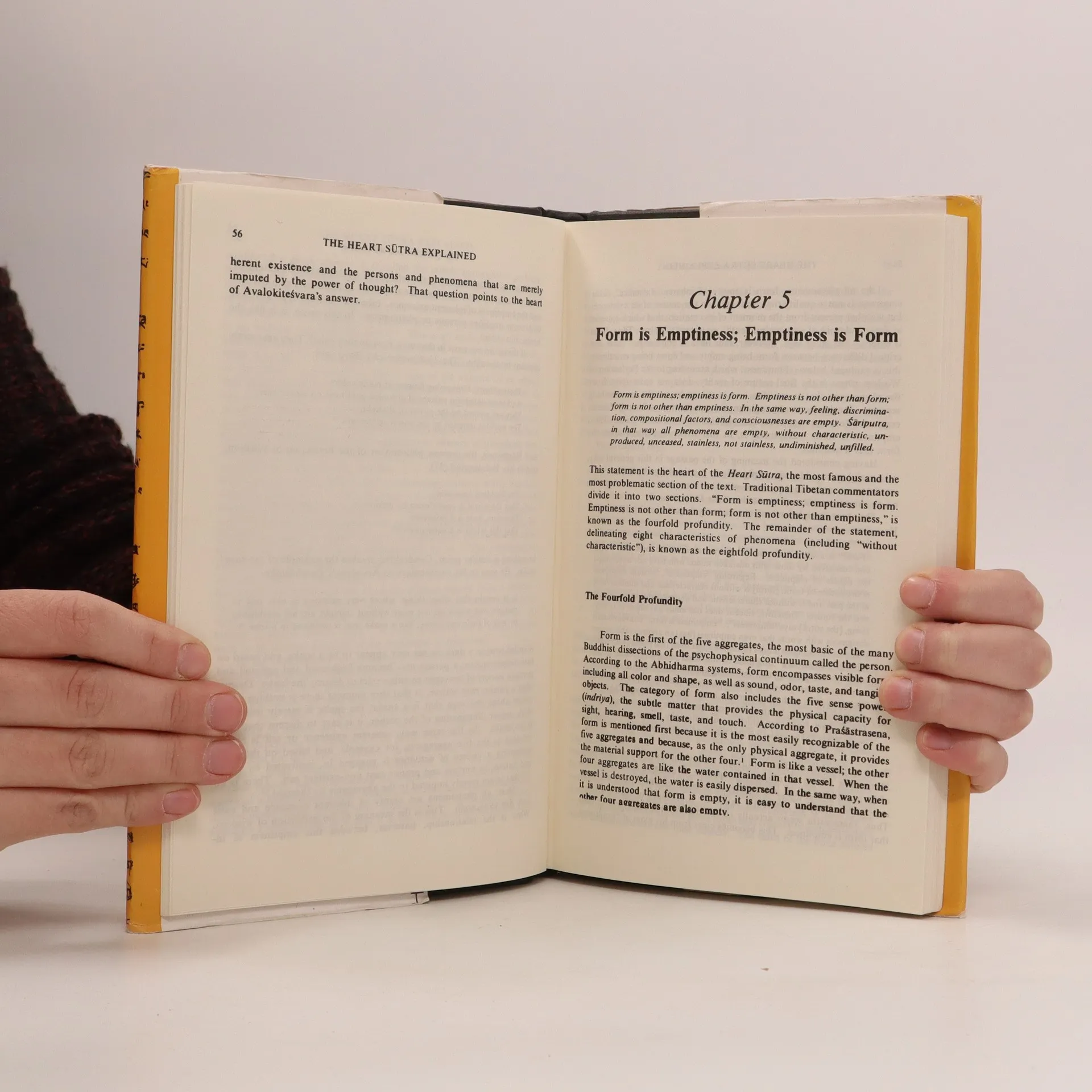
Renowned for its terse declaration of the perfection of wisdom, the Heart Sutra is the most famous of Buddhist scriptures. The author draws on previously unexamined commentaries, preserved only in Tibetan, to investigate the meanings derived from and invested into the sutra during the later period of Indian Buddhism. The Heart Sutra Explained offers new insights on "form is emptiness, emptiness is form," on the mantra "gate gate paragate parasamgate bodhi svaha," and on the synthesis of Madhyamika, Yogacara, and tantric thought that characterized the final period of Buddhism in India. It also includes complete translations of two nineteenth century Tibetan commentaries demonstrating the selective appropriation of Indian sources.
Nákup knihy
The Heart Sūtra explained : Indian and Tibetan commentaries, Donald S. Lopez mladší
- Jazyk

- Rok vydání
- 1990
- Vazba
- (pevná)
Doručení
Platební metody
Tady nám chybí tvá recenze.
- Titul
- The Heart Sūtra explained : Indian and Tibetan commentaries
- Jazyk
- anglicky
- Autoři
- Donald S. Lopez mladší
- Vydavatel
- Sri Satguru Publications
- Rok vydání
- 1990
- Vazba
- pevná
- Počet stran
- 230
- ISBN10
- 8170302382
- ISBN13
- 9788170302384
- Série
- Štítky
- Náboženská témata
- Hodnocení
- 5 z 5
- Anotace
- Renowned for its terse declaration of the perfection of wisdom, the Heart Sutra is the most famous of Buddhist scriptures. The author draws on previously unexamined commentaries, preserved only in Tibetan, to investigate the meanings derived from and invested into the sutra during the later period of Indian Buddhism. The Heart Sutra Explained offers new insights on "form is emptiness, emptiness is form," on the mantra "gate gate paragate parasamgate bodhi svaha," and on the synthesis of Madhyamika, Yogacara, and tantric thought that characterized the final period of Buddhism in India. It also includes complete translations of two nineteenth century Tibetan commentaries demonstrating the selective appropriation of Indian sources.