

Parametry
Více o knize
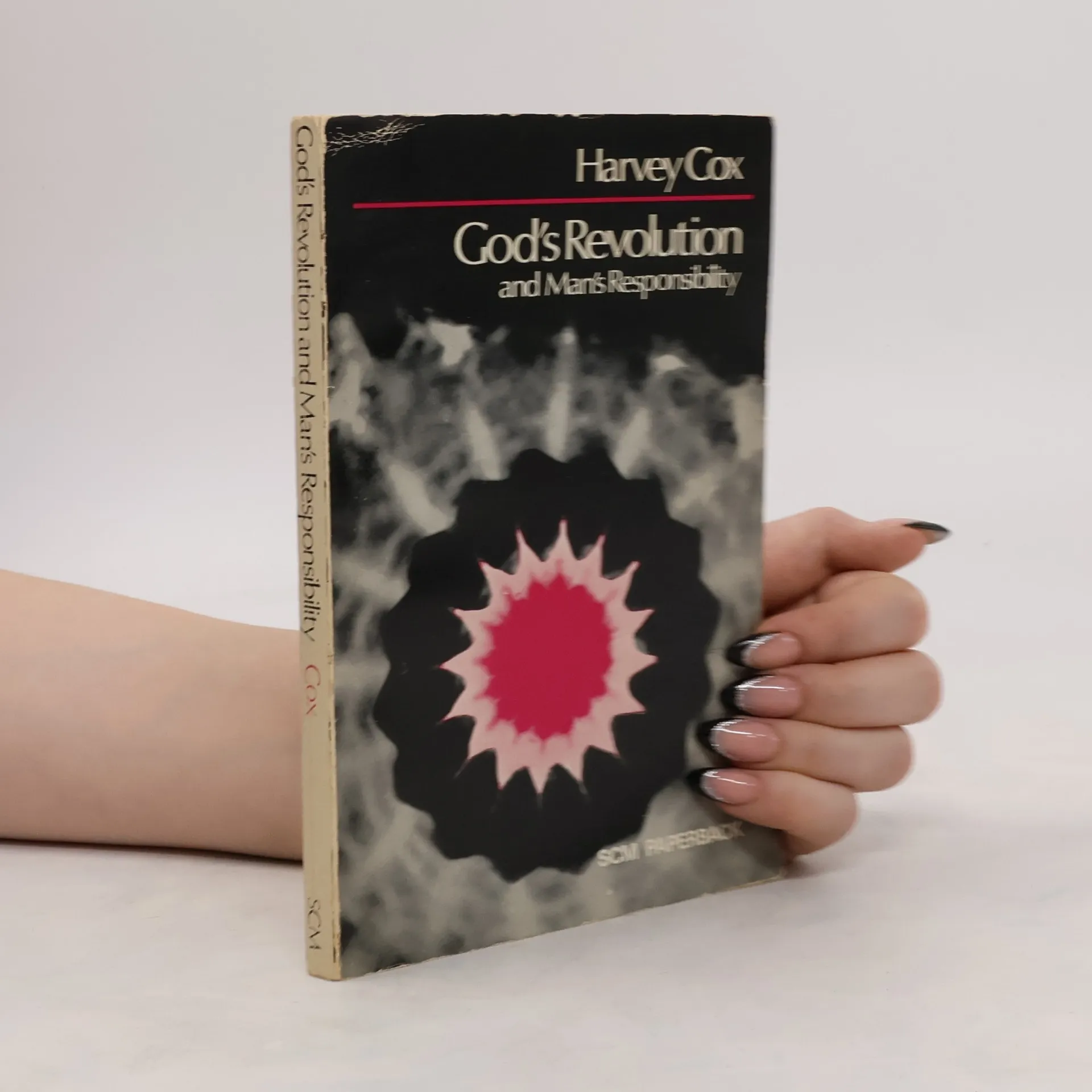
Our times offer abundant evidence that organized Christianity is failing to fulfill its responsibilities in bringing about the changes most desperately needed in the world. The great events of our day are occurring apart from the church, and this fact indicates to Harvey Cox that the secular world is the principal arena of God's work today. Where does this leave the organized church, the clergy, and the lay member as they witness in modern society? These are the kind of questions that Harvey Cox faces and provocatively discusses in this book. There is no doubt as to where he stands personally with regard to the issues that trouble society most deeply. He is a prophet of God's reconciliation, whether in matters of race, ecumenical relationships, or world order, and he feels that Christians who stand with him will have to enter more vitally into the secular world if they are to be agents of reconciliation. You may or may not agree with this book, but you owe it to yourself to read it.
Nákup knihy
God's Revolution and Man's Responsibility, Harvey Gallagher Cox
- Jazyk

- Rok vydání
- 1969
- Vazba
- (měkká)
Doručení
Platební metody
Tady nám chybí tvá recenze.
- Titul
- God's Revolution and Man's Responsibility
- Jazyk
- anglicky
- Autoři
- Harvey Gallagher Cox
- Vydavatel
- SCM Press
- Rok vydání
- 1969
- Vazba
- měkká
- ISBN10
- 0334005647
- ISBN13
- 9780334005643
- Série
- Kategorie
- Štítky
- Hodnocení
- 3,9 z 5
- Anotace
- Our times offer abundant evidence that organized Christianity is failing to fulfill its responsibilities in bringing about the changes most desperately needed in the world. The great events of our day are occurring apart from the church, and this fact indicates to Harvey Cox that the secular world is the principal arena of God's work today. Where does this leave the organized church, the clergy, and the lay member as they witness in modern society? These are the kind of questions that Harvey Cox faces and provocatively discusses in this book. There is no doubt as to where he stands personally with regard to the issues that trouble society most deeply. He is a prophet of God's reconciliation, whether in matters of race, ecumenical relationships, or world order, and he feels that Christians who stand with him will have to enter more vitally into the secular world if they are to be agents of reconciliation. You may or may not agree with this book, but you owe it to yourself to read it.