

Více o knize
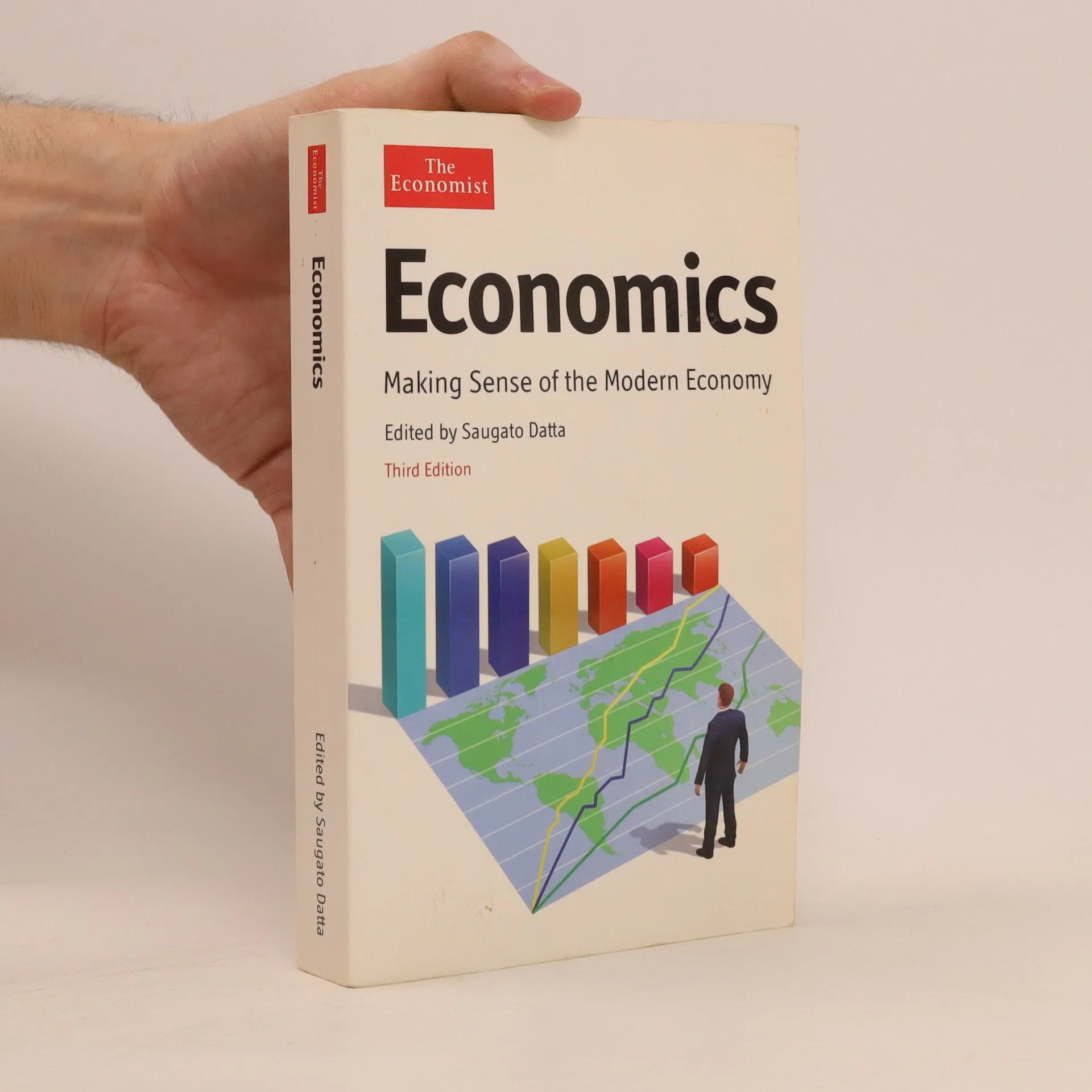
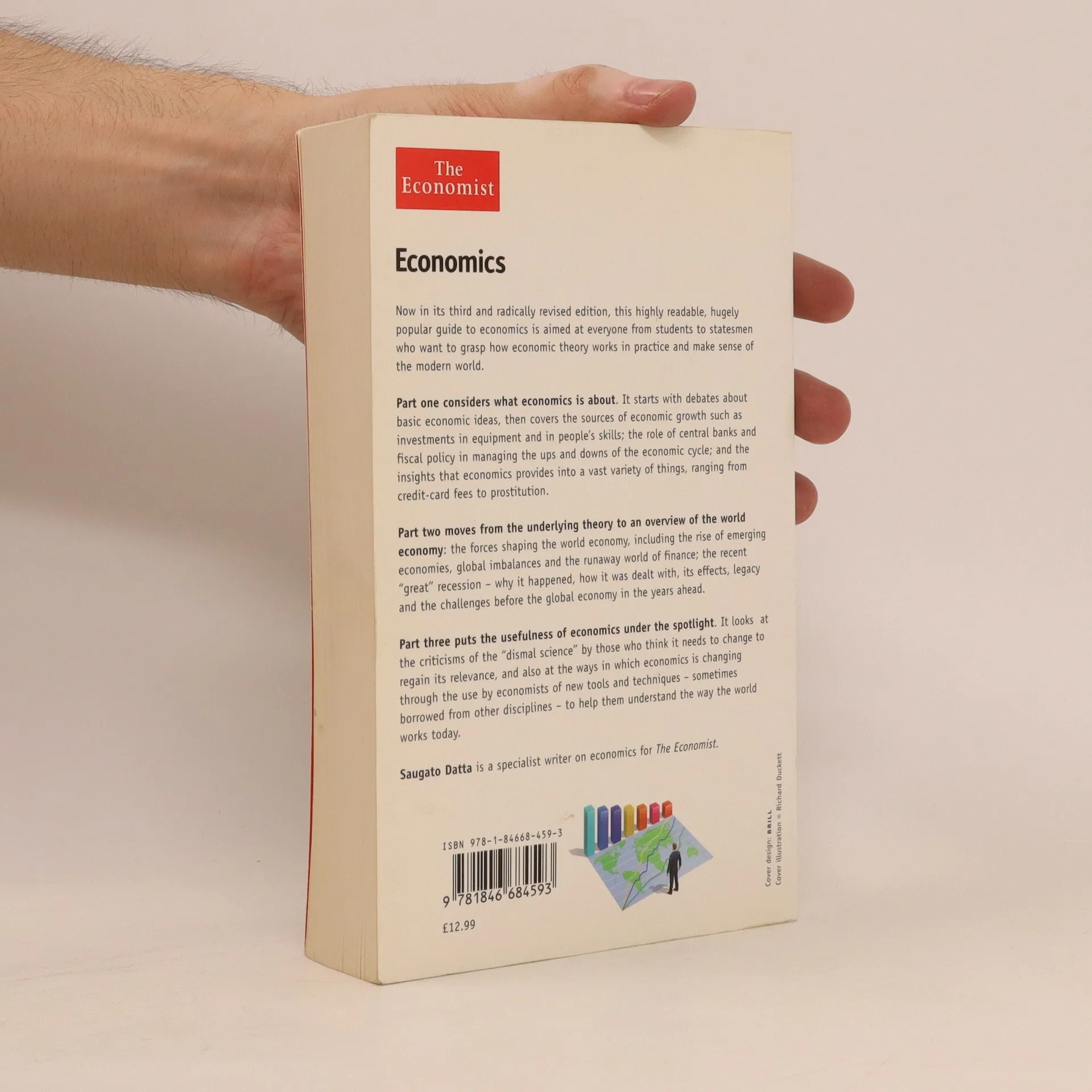
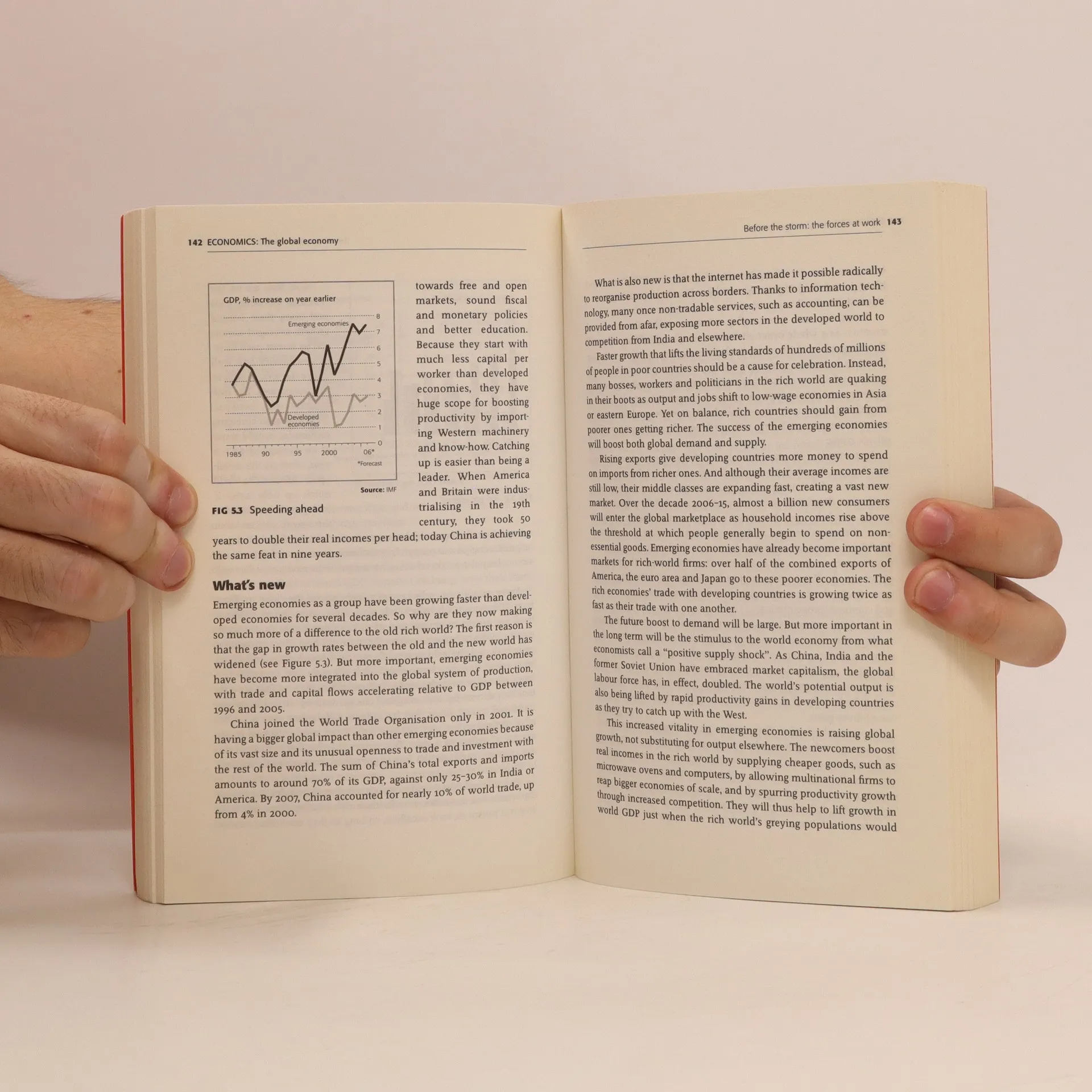
A radically revised new edition of this highly readable, popular guide aimed at everyone from students to statesmen who want to make sense of the modern economy and grasp how economic theory works in practice.It starts with the basics: what economics is about; the sources of economic growth such as people and investment; the role of central banks and fiscal policy in setting the macroeconomic framework; and the economics of everything - microeconomics. From the underlying theory it moves to the specifics of the world economy: the developed world and the rise of emerging economies, the issues of global imbalances and the runaway world of finance; the recent 'great' recession - why it happened, how it was dealt with, its effects, legacy and the way ahead. The closing part puts the usefulness and the failings of economics under the spotlight, and looks at the innovative approaches being developed to make what has been called the 'dismal science' fit for the modern world.
Nákup knihy
Economics : making sense of the modern economy, Saugato Datta
- Jazyk

- Rok vydání
- 2011
- Vazba
- (měkká)
Doručení
Platební metody
Tady nám chybí tvá recenze.
- Titul
- Economics : making sense of the modern economy
- Jazyk
- anglicky
- Autoři
- Saugato Datta
- Vydavatel
- Profile books LTD
- Rok vydání
- 2011
- Vazba
- měkká
- Počet stran
- 352
- ISBN10
- 1846684595
- ISBN13
- 9781846684593
- Série
- Kolekce
- Economist books
- Štítky
- Byznys
- Hodnocení
- 3,6 z 5
- Anotace
- A radically revised new edition of this highly readable, popular guide aimed at everyone from students to statesmen who want to make sense of the modern economy and grasp how economic theory works in practice.It starts with the basics: what economics is about; the sources of economic growth such as people and investment; the role of central banks and fiscal policy in setting the macroeconomic framework; and the economics of everything - microeconomics. From the underlying theory it moves to the specifics of the world economy: the developed world and the rise of emerging economies, the issues of global imbalances and the runaway world of finance; the recent 'great' recession - why it happened, how it was dealt with, its effects, legacy and the way ahead. The closing part puts the usefulness and the failings of economics under the spotlight, and looks at the innovative approaches being developed to make what has been called the 'dismal science' fit for the modern world.