



Více o knize
This book is a study of American Muslims' perspectives on Muslims who become radicalized and choose to support the Islamic State. Muslim radicalization is a global phenomenon that has affected American Muslims as it has Muslims throughout the world. In 2015, approximately 250 Americans joined the Islamic State (IS), and some still sympathize with it. Based on 51 in-depth interviews conducted in nine states from 2017 to 2021, this book offers a thematic understanding of radicalization, touching on themes such as Islamic history, Muslims' social and political identities, cultural dilemmas, radicalization outlets, mental health, media stereotypes, Islamophobia, security, and the impact of COVID-19 on radicalization. This book differs from previous scholarship on the causes of radicalization by focusing on the perspectives of non-radicalized American Muslims. While some previous scholarship has focused on Muslim radicalization in Europe, this book provides a new spectrum of views from the United States. It also offers pathways to de-radicalization. The interview data is complemented with relevant literature, analysis of media perspectives, and the author's personal observations.
Nákup knihy
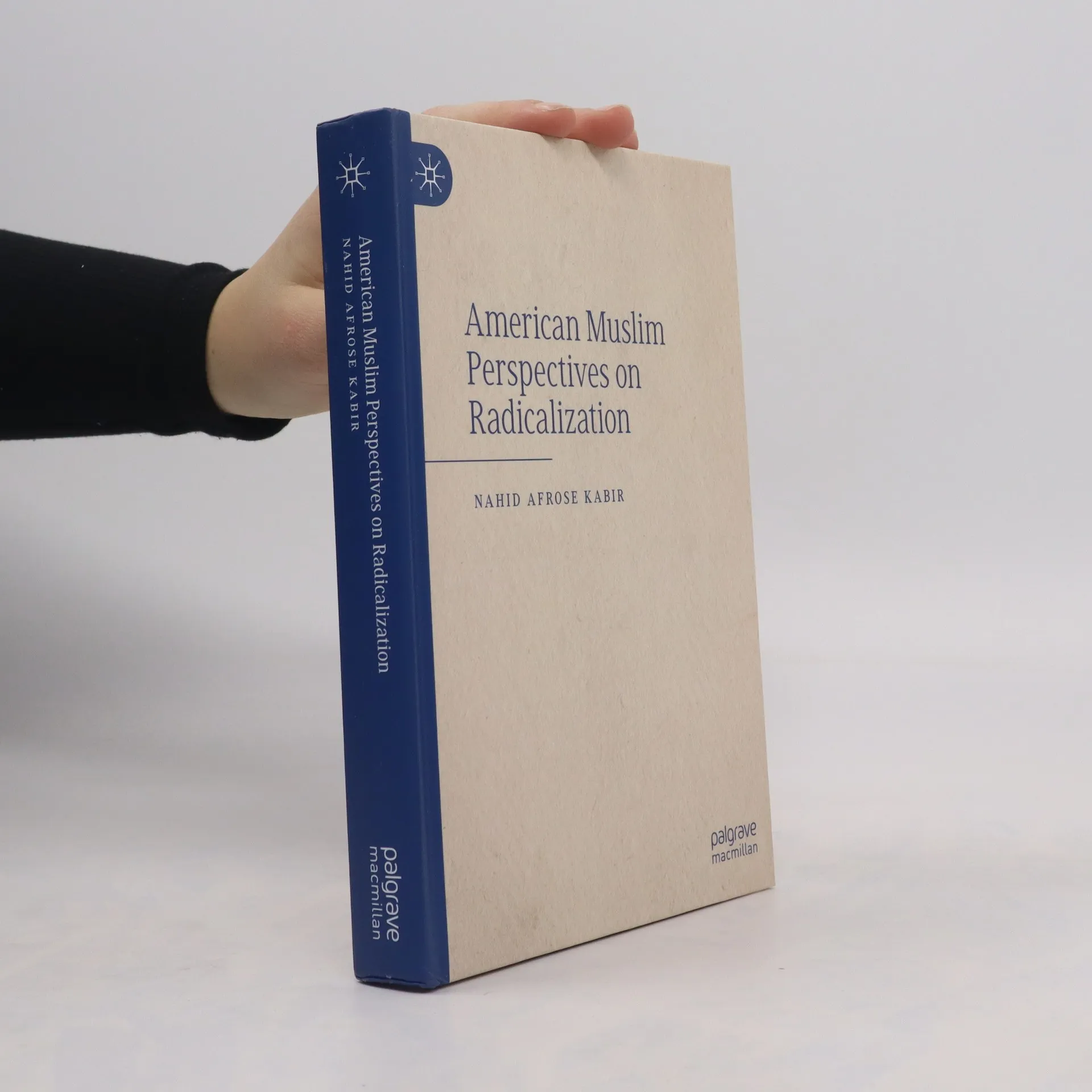
American Muslim Perspectives on Radicalization, Nahid Afrose Kabir
- Jazyk

- Rok vydání
- 2023
- Vazba
- (pevná)
Doručení
Platební metody
Nikdo zatím neohodnotil.
- Titul
- American Muslim Perspectives on Radicalization
- Jazyk
- anglicky
- Autoři
- Nahid Afrose Kabir
- Vydavatel
- Palgrave Macmillan
- Rok vydání
- 2023
- Vazba
- pevná
- Počet stran
- 335
- ISBN10
- 3031437942
- ISBN13
- 9783031437946
- Série
- Anotace
- This book is a study of American Muslims' perspectives on Muslims who become radicalized and choose to support the Islamic State. Muslim radicalization is a global phenomenon that has affected American Muslims as it has Muslims throughout the world. In 2015, approximately 250 Americans joined the Islamic State (IS), and some still sympathize with it. Based on 51 in-depth interviews conducted in nine states from 2017 to 2021, this book offers a thematic understanding of radicalization, touching on themes such as Islamic history, Muslims' social and political identities, cultural dilemmas, radicalization outlets, mental health, media stereotypes, Islamophobia, security, and the impact of COVID-19 on radicalization. This book differs from previous scholarship on the causes of radicalization by focusing on the perspectives of non-radicalized American Muslims. While some previous scholarship has focused on Muslim radicalization in Europe, this book provides a new spectrum of views from the United States. It also offers pathways to de-radicalization. The interview data is complemented with relevant literature, analysis of media perspectives, and the author's personal observations.