

Více o knize
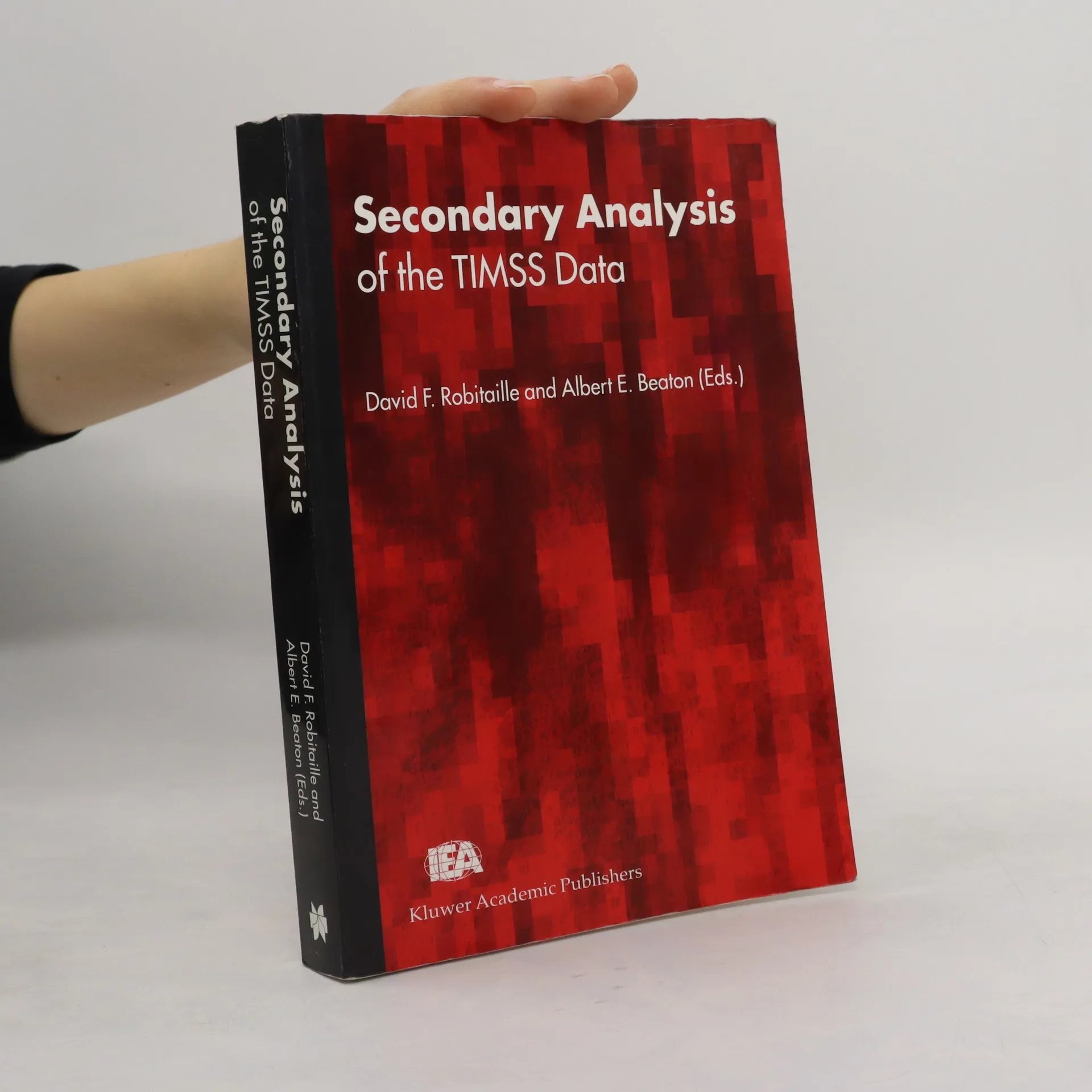
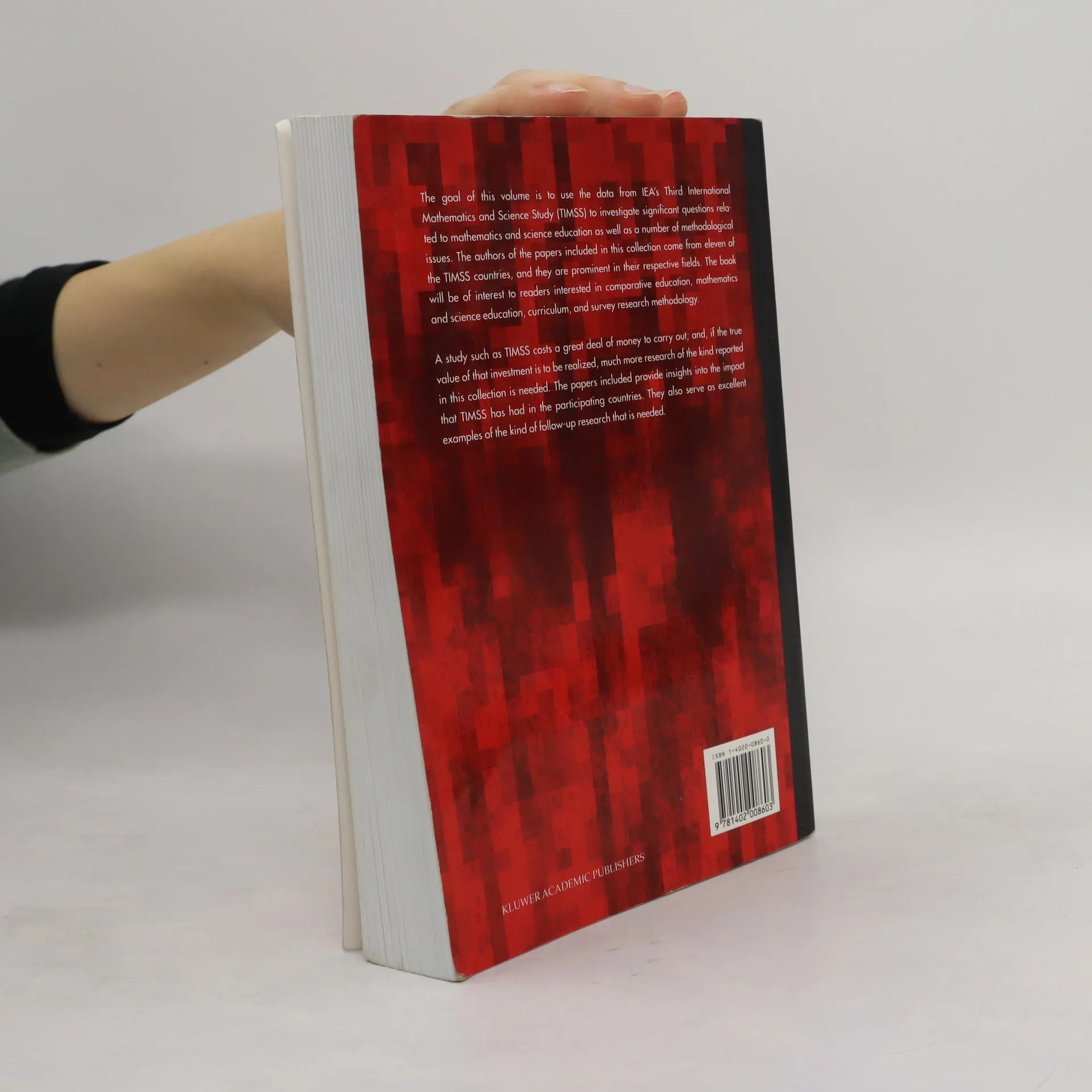
The goal of this volume is to use the data from IEA's Third International Mathematics and Science Study (TIMSS) to investigate significant questions related to mathematics and science education as well as a number of methodological issues. The authors of the papers included in this collection come from eleven of the TIMSS countries, and they are prominent in their respective fields. The book will be of interest to readers interested in comparative education, mathematics and science education, curriculum, and survey research methodology. A study such as TIMSS costs a great deal of money to carry out; and, if the true value of that investment is to be realized, much more research of the kind reported in this collection is needed. The papers included provide insights into the impact that TIMSS has had in the participating countries. They also serve as excellent examples of the kind of follow-up research that is needed.
Nákup knihy
Secondary Analysis of the TIMSS Data, David F. Robitaille, Albert E. Beaton
- Jazyk

- Rok vydání
- 2002
- Vazba
- (měkká)
Nikdo zatím neohodnotil.
- Titul
- Secondary Analysis of the TIMSS Data
- Jazyk
- anglicky
- Vydavatel
- Springer Science & Business Media
- Rok vydání
- 2002
- Vazba
- měkká
- Počet stran
- 440
- ISBN10
- 1402008600
- ISBN13
- 9781402008603
- Série
- Štítky
- Příroda, Přírodní vědy
- Anotace
- The goal of this volume is to use the data from IEA's Third International Mathematics and Science Study (TIMSS) to investigate significant questions related to mathematics and science education as well as a number of methodological issues. The authors of the papers included in this collection come from eleven of the TIMSS countries, and they are prominent in their respective fields. The book will be of interest to readers interested in comparative education, mathematics and science education, curriculum, and survey research methodology. A study such as TIMSS costs a great deal of money to carry out; and, if the true value of that investment is to be realized, much more research of the kind reported in this collection is needed. The papers included provide insights into the impact that TIMSS has had in the participating countries. They also serve as excellent examples of the kind of follow-up research that is needed.