


Více o knize
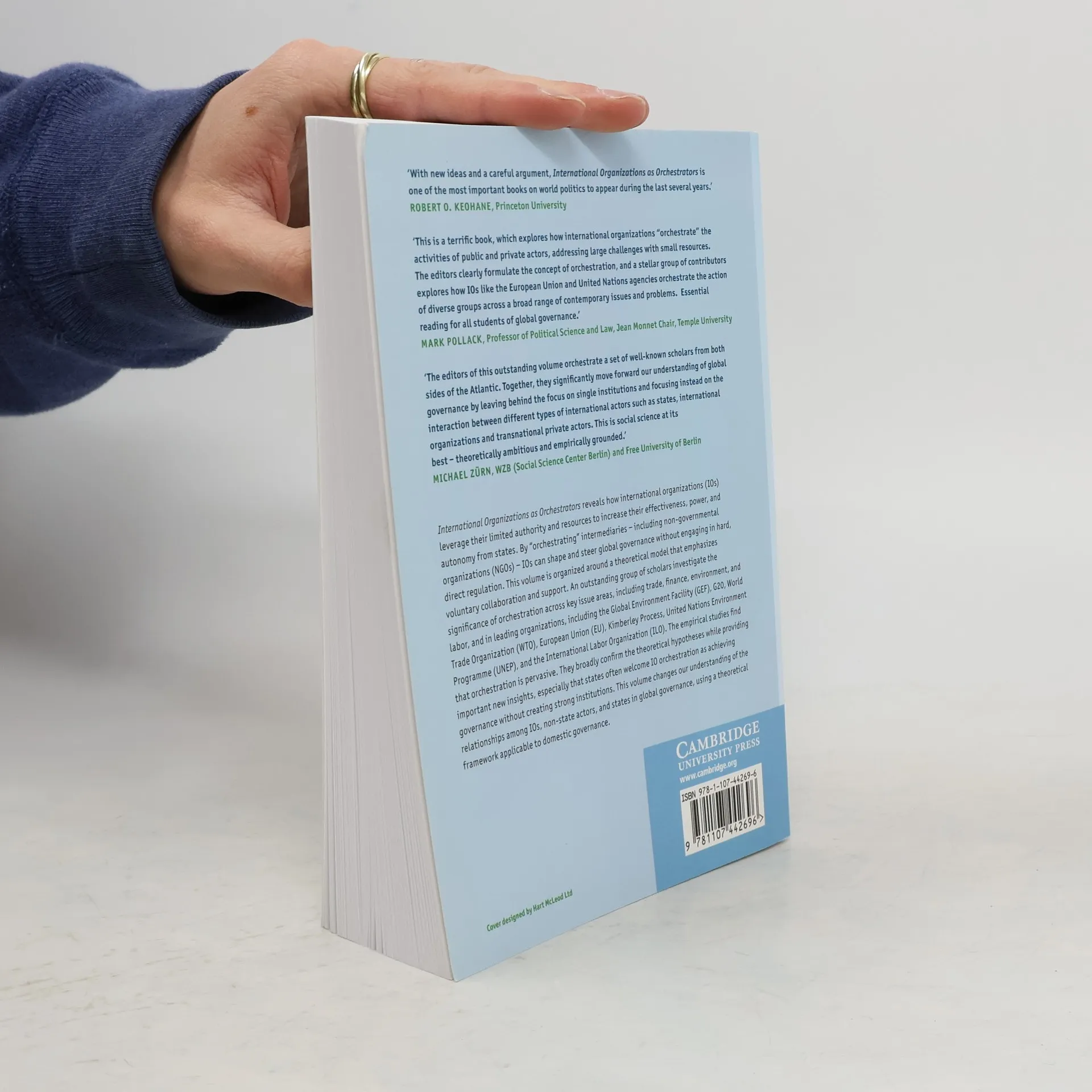
International Organizations as Orchestrators reveals how IOs leverage their limited authority and resources to increase their effectiveness, power, and autonomy from states. By 'orchestrating' intermediaries - including NGOs - IOs can shape and steer global governance without engaging in hard, direct regulation. This volume is organized around a theoretical model that emphasizes voluntary collaboration and support. An outstanding group of scholars investigate the significance of orchestration across key issue areas, including trade, finance, environment and labor, and in leading organizations, including the GEF, G20, WTO, EU, Kimberley Process, UNEP and ILO. The empirical studies find that orchestration is pervasive. They broadly confirm the theoretical hypotheses while providing important new insights, especially that states often welcome IO orchestration as achieving governance without creating strong institutions. This volume changes our understanding of the relationships among IOs, nonstate actors and states in global governance, using a theoretical framework applicable to domestic governance.
Nákup knihy
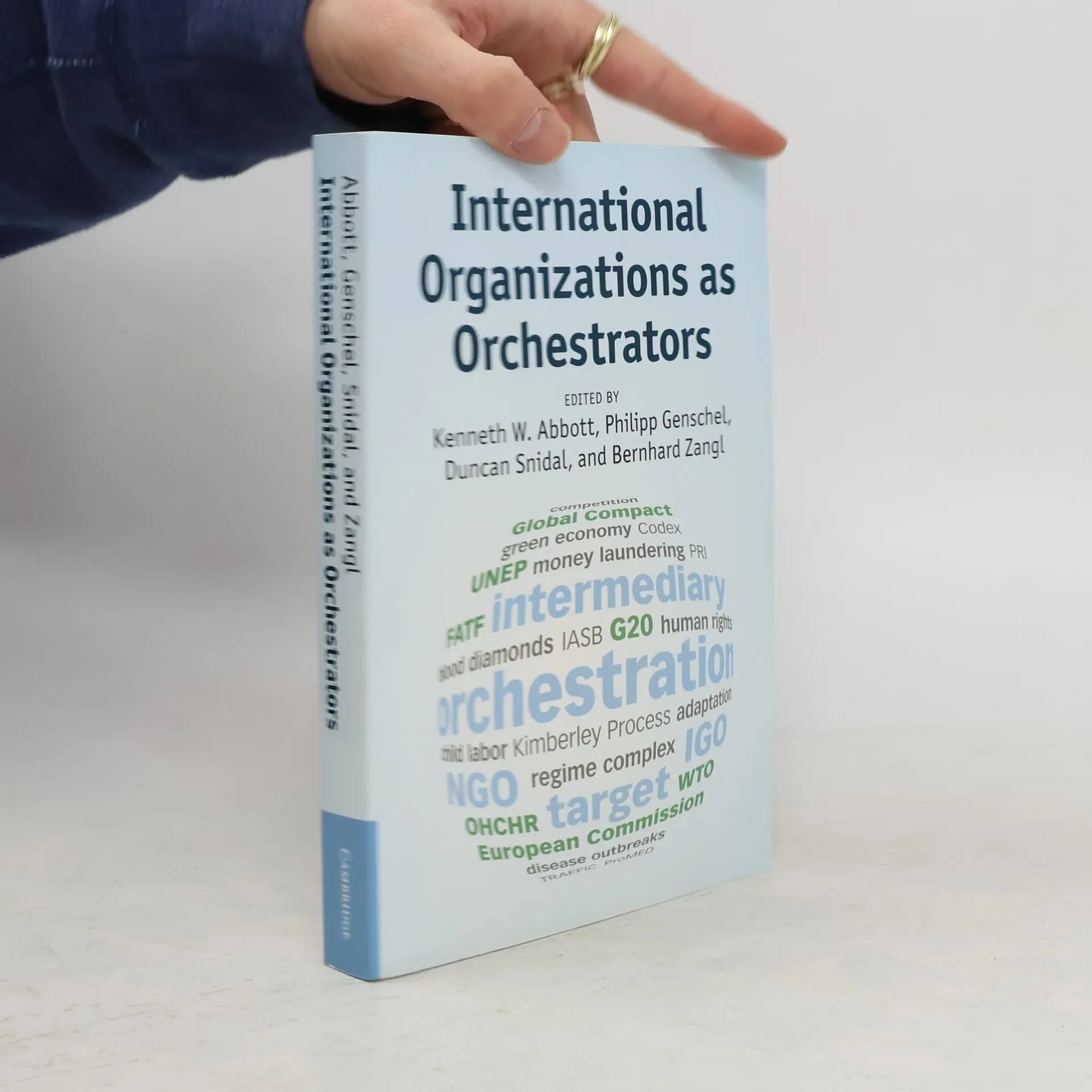
International organizations as orchestrators, Kolektiv autorů
- Jazyk

- Rok vydání
- 2015
- Vazba
- (měkká)
Doručení
Platební metody
Nikdo zatím neohodnotil.
- Titul
- International organizations as orchestrators
- Jazyk
- anglicky
- Autoři
- Kolektiv autorů
- Vydavatel
- Cambridge University Press
- Rok vydání
- 2015
- Vazba
- měkká
- Počet stran
- 450
- ISBN10
- 1107442699
- ISBN13
- 9781107442696
- Série
- Kategorie
- Štítky
- Byznys
- Anotace
- International Organizations as Orchestrators reveals how IOs leverage their limited authority and resources to increase their effectiveness, power, and autonomy from states. By 'orchestrating' intermediaries - including NGOs - IOs can shape and steer global governance without engaging in hard, direct regulation. This volume is organized around a theoretical model that emphasizes voluntary collaboration and support. An outstanding group of scholars investigate the significance of orchestration across key issue areas, including trade, finance, environment and labor, and in leading organizations, including the GEF, G20, WTO, EU, Kimberley Process, UNEP and ILO. The empirical studies find that orchestration is pervasive. They broadly confirm the theoretical hypotheses while providing important new insights, especially that states often welcome IO orchestration as achieving governance without creating strong institutions. This volume changes our understanding of the relationships among IOs, nonstate actors and states in global governance, using a theoretical framework applicable to domestic governance.