


Více o knize
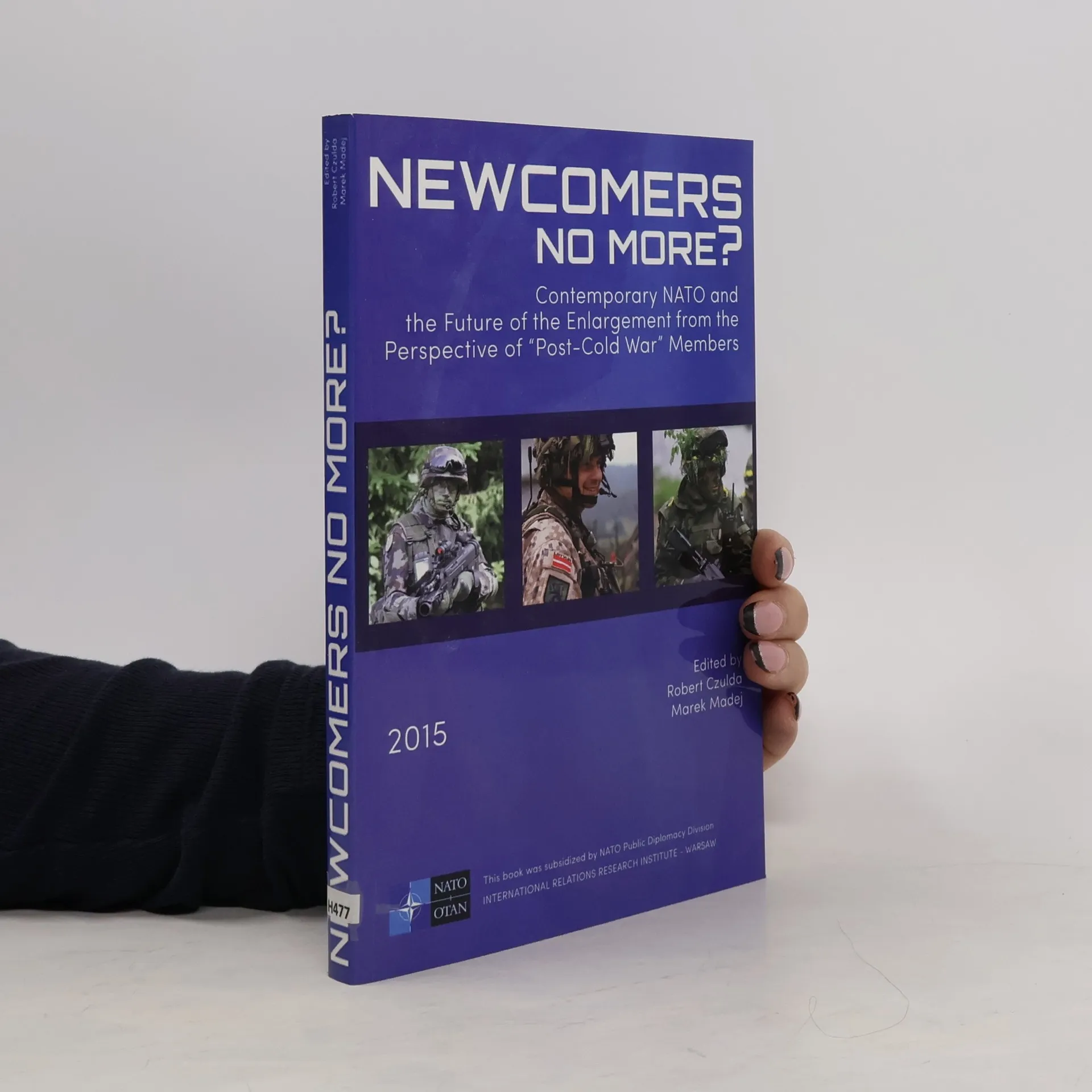
The central aims of the book is to present, in the form of a collection of papers, a variety of views on NATO from member states “formerly known as new”, and to assess in this context the prospects for NATO enlargement. Therefore, the book consists of two parts. The main objective of the first part is to present how NATO is now perceived in Central and South-Eastern Europe. Papers collected here offer an opportunity to reflect on the impact of the enlargements starting from 1999 on NATO functioning and evolution, roles, tasks and capabilities. The issue of how accession has transformed accessioning states will also be discussed. Last but not least, the perspective of “new” members on NATO’s future will be presented. The authors of the articles in this part mainly come from those countries that joined the Alliance after the end of the Cold War. The second part is devoted strictly to the topic of enlargement. In this part we asked experts from NATO members (both “old” and “new”), potential candidates and other NATO partners (including Russia, Georgia, Ukraine, Azerbaijan, Sweden, Finland etc.) how they view the future of NATO cooperation with external partners in Europe and the prospects for enlargement of the Alliance.
Nákup knihy
Newcomers No More?, Czulda Robert, Marek Madej
- Jazyk

- Rok vydání
- 2015
Doručení
Platební metody
Nikdo zatím neohodnotil.
- Titul
- Newcomers No More?
- Jazyk
- anglicky
- Autoři
- Czulda Robert, Marek Madej
- Rok vydání
- 2015
- Počet stran
- 314
- ISBN10
- 8362784040
- ISBN13
- 9788362784042
- Série
- Kategorie
- Štítky
- Anotace
- The central aims of the book is to present, in the form of a collection of papers, a variety of views on NATO from member states “formerly known as new”, and to assess in this context the prospects for NATO enlargement. Therefore, the book consists of two parts. The main objective of the first part is to present how NATO is now perceived in Central and South-Eastern Europe. Papers collected here offer an opportunity to reflect on the impact of the enlargements starting from 1999 on NATO functioning and evolution, roles, tasks and capabilities. The issue of how accession has transformed accessioning states will also be discussed. Last but not least, the perspective of “new” members on NATO’s future will be presented. The authors of the articles in this part mainly come from those countries that joined the Alliance after the end of the Cold War. The second part is devoted strictly to the topic of enlargement. In this part we asked experts from NATO members (both “old” and “new”), potential candidates and other NATO partners (including Russia, Georgia, Ukraine, Azerbaijan, Sweden, Finland etc.) how they view the future of NATO cooperation with external partners in Europe and the prospects for enlargement of the Alliance.