

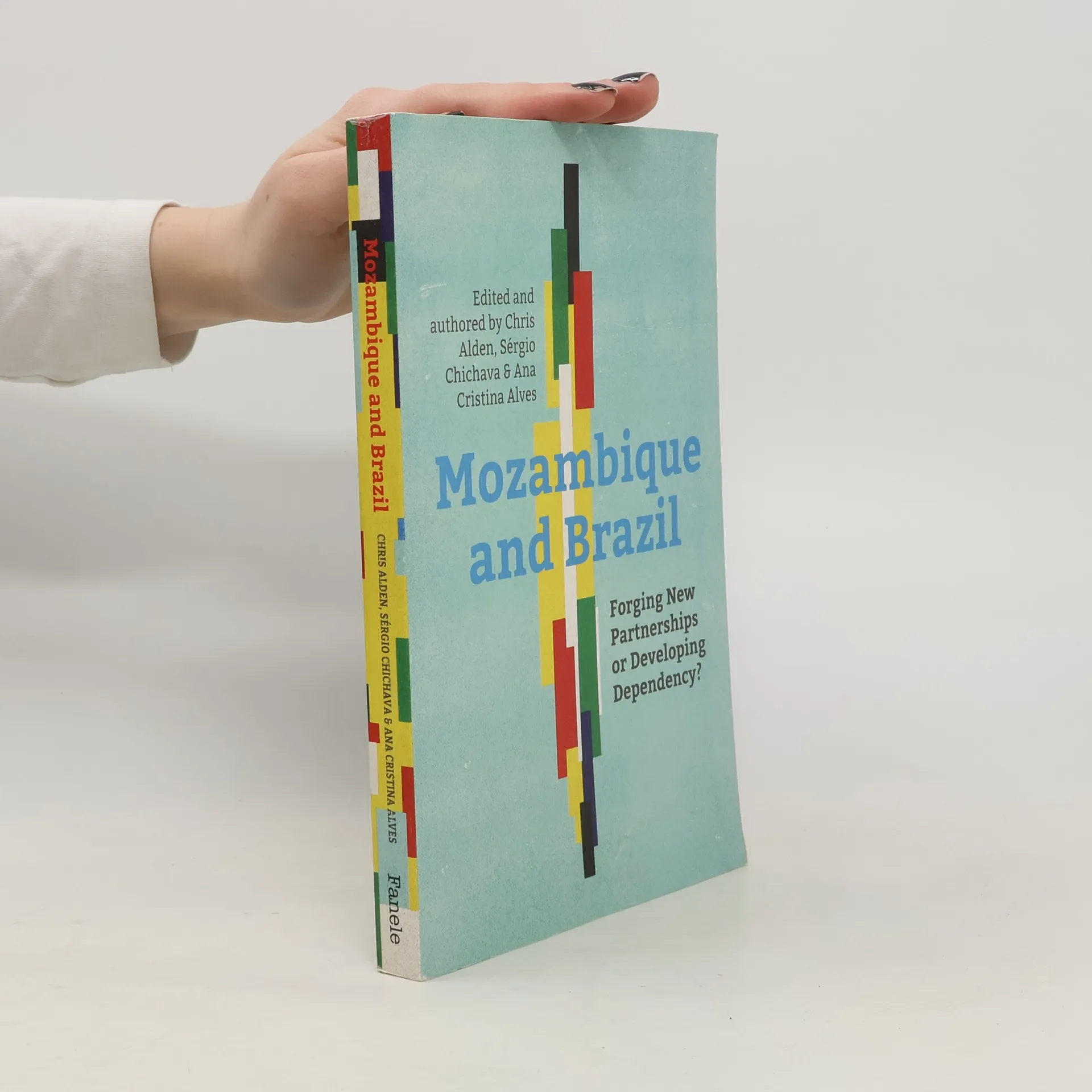

Mozambique and Brazil
Více o knize
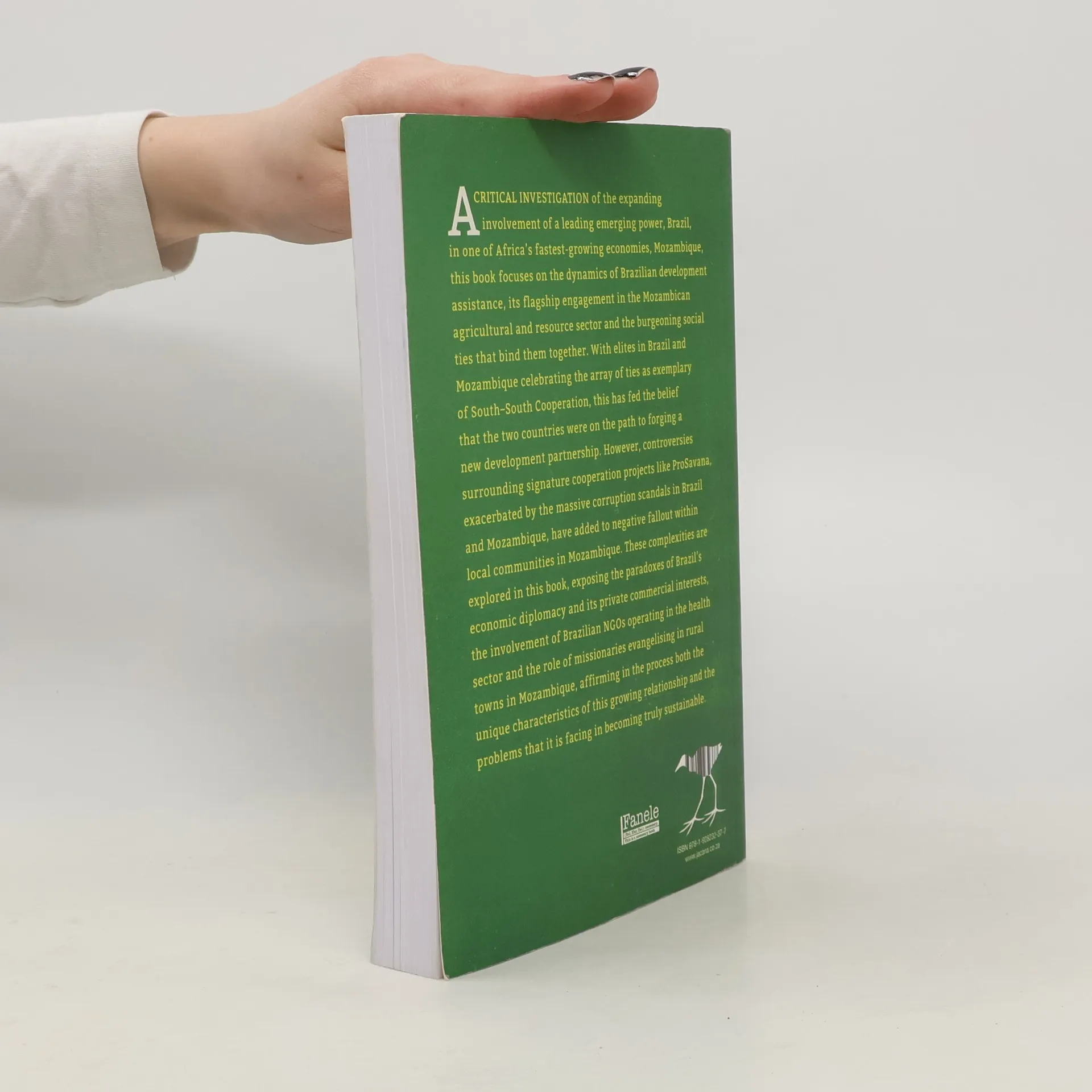
This book critically investigates the expanding involvement of a leading emerging power, Brazil, in one of Africa's fastest growing economies, Mozambique. It focuses on the dynamics of Brazilian development assistance, its flagship engagement in Mozambique's agricultural and resource sector and the burgeoning social ties that bind them together. With elites in Brazil and Mozambique celebrating the strengths of South-South Cooperation, there is an emerging belief that the two countries are on the path to forging a new development partnership. However, despite these official discourses, there is growing evidence that the conduct of Brazilian firms and the policies promoted by Brazilian development assistance projects are generating negative fallout within local communities and among local environmental activists. Indeed, the complexities of Brazil's economic diplomacy and its private commercial interests, coupled with the involvement of everyone from Brazilian NGOs operating in the health sector to missionaries evangelising in rural towns in Mozambique, seem to affirm the unique characteristics of this growing relationship and the problems that it is facing in becoming truly sustainable.
Nákup knihy
Mozambique and Brazil, Chris Alden, Sérgio Inacio Chichava, Ana Cristina Alves
- Jazyk

- Rok vydání
- 2017
- Vazba
- (měkká)
Doručení
Platební metody
Nikdo zatím neohodnotil.
- Titul
- Mozambique and Brazil
- Jazyk
- anglicky
- Vydavatel
- Fanele
- Rok vydání
- 2017
- Vazba
- měkká
- Počet stran
- 278
- ISBN10
- 192823237X
- ISBN13
- 9781928232377
- Série
- Štítky
- Dárky pro dědu
- Anotace
- This book critically investigates the expanding involvement of a leading emerging power, Brazil, in one of Africa's fastest growing economies, Mozambique. It focuses on the dynamics of Brazilian development assistance, its flagship engagement in Mozambique's agricultural and resource sector and the burgeoning social ties that bind them together. With elites in Brazil and Mozambique celebrating the strengths of South-South Cooperation, there is an emerging belief that the two countries are on the path to forging a new development partnership. However, despite these official discourses, there is growing evidence that the conduct of Brazilian firms and the policies promoted by Brazilian development assistance projects are generating negative fallout within local communities and among local environmental activists. Indeed, the complexities of Brazil's economic diplomacy and its private commercial interests, coupled with the involvement of everyone from Brazilian NGOs operating in the health sector to missionaries evangelising in rural towns in Mozambique, seem to affirm the unique characteristics of this growing relationship and the problems that it is facing in becoming truly sustainable.